

























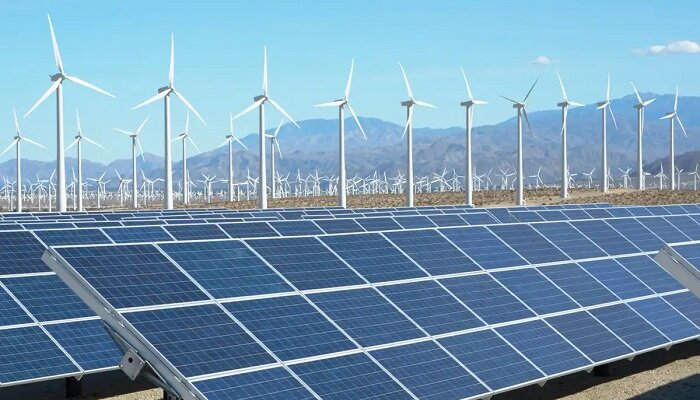

The outlook for keeping global heating within the 1.5°C limit has improved significantly due to the remarkable growth of renewable energy and green investments over the past two years, according to the head of the International Energy Agency (IEA), Fatih Birol, a leading energy economist worldwide. Birol expressed cautious optimism, highlighting the substantial expansion of solar power and electric vehicle adoption.
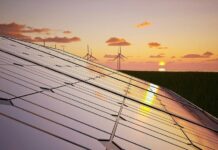
He noted that despite the substantial challenges, his optimism had grown compared to two years ago. He mentioned that solar photovoltaic installations and electric vehicle sales were aligning perfectly with the targets required to achieve net-zero emissions by 2050 and remain within the 1.5°C limit. He also pointed out that clean energy investments had surged by a staggering 40% in the last two years.
However, Birol emphasized that greenhouse gas emissions from the energy sector remain persistently high, and the rapid onset of extreme weather events globally underscores the alarming pace of climate change.
The IEA’s “Net Zero Roadmap” report, released on Tuesday, urged developed nations with 2050 net-zero targets, such as the UK, to accelerate their efforts by several years. The report recommended that “almost all countries must move forward their targeted net-zero dates,” with some already planning earlier dates, like Germany by 2045 and Austria and Iceland by 2040. In contrast, many developing countries have set later targets, such as China for 2060 and India for 2070.
Birol called for the upcoming UN climate summit, Cop28, scheduled for November and December in Dubai, to set ambitious goals, including tripling renewable energy capacity by 2030 and reducing methane emissions from the energy sector by 75% by the same date, a measure that could be profitable due to high gas prices.
However, he acknowledged that geopolitical tensions, such as the conflict in Ukraine and strained US-China relations, would pose challenges at Cop28. Birol stressed the need for international cooperation and emphasized the importance of sending a strong signal to energy markets that governments are committed to addressing climate change.
Birol also advocated for a doubling of energy efficiency, emphasizing that reducing fossil fuel demand is crucial for achieving climate goals. While he didn’t explicitly endorse a complete phase-out of fossil fuels by 2050, he emphasized the need for all countries to work toward reducing their reliance on fossil fuels.
Regarding the UK’s stance, Birol criticized the decision to issue new North Sea oil and gas licenses, despite the IEA’s recommendation against new upstream fossil fuel projects on the path to net zero. He called on advanced economies to increase their ambition in clean energy, create jobs, and establish a competitive position in the emerging clean energy industry.
In response, Tessa Khan, executive director at Uplift, a campaigning organization, highlighted the discrepancy between the UK’s expansion of oil and gas production and its climate leadership claims, emphasizing the importance of scaling up renewables to combat climate change.