






Close
MCE 2026
World Hydrogen & Carbon Americas

SABIC to build world’s first renewable power chemical plant

Note* - All images used are for editorial and illustrative purposes only and may not originate from the original news provider or associated company.

Subscribe

- Never miss a story with notifications

- Gain full access to our premium content

- Browse free from any location or device.

Media Packs

Expand Your Reach With Our Customized Solutions Empowering Your Campaigns To Maximize Your Reach & Drive Real Results!

– Access the Media Pack Now

– Book a Conference Call

Leave Message for Us to Get Back

Related stories

Hybrid Power Systems Combining Renewables Hydrogen and Dispatchable Generation

In-depth analysis of hybrid power system architecture integrating renewables, hydrogen storage and dispatchable generation to manage intermittency, enhance grid stability and achieve long-term decarbonisation targets.

Carbon Utilisation Pathways Creating New Value for Power Producers

Exploration of how captured carbon emissions are transformed into commercially viable products, from synthetic fuels to industrial feedstocks, improving project economics for power producers through carbon utilisation strategies.

Integrating Renewable Energy into Large-Scale Hydrogen Production

Examination of how solar, wind and hydro resources are integrated into large-scale hydrogen production, with focus on intermittency, optimisation and grid vs off-grid models.
- Advertisement -

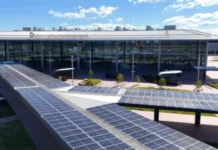
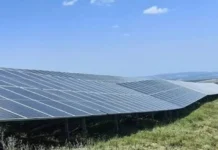
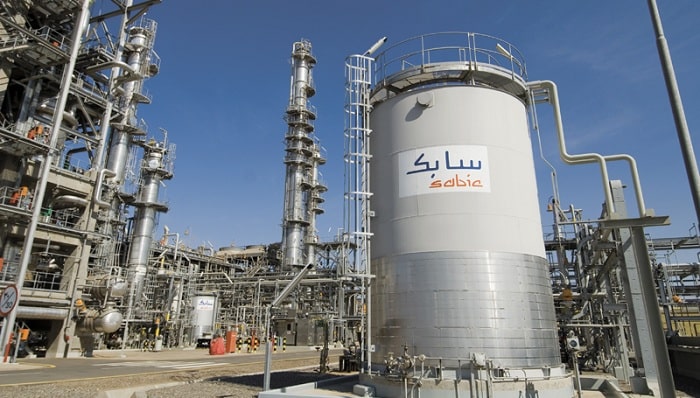
SABIC plans to build a chemical plant in Spain fully powered by renewable energy in what is the first project of its kind anywhere in the world. The polycarbonate facility in Cartegena is expected to be fully operational by 2024, powered by a 100MW PV solar plant.

The deal will see Iberdrola, one of the world’s biggest electricity utility companies, invest almost €70 million to install 263,000 panels, on land owned by SABIC, making it the largest industrial renewable power plant in Europe.

The 25-year deal represents part of the Riyadh-based petrochemical company’s ambition to have 4 gigawatts (GW) of either wind or solar energy installed for its sites globally by 2025, rising to 12GW by 2030.

Last year the company installed solar panels at its sites in India and Thailand, helping to reduce its greenhouse emissions by 200 tons.

“Partnerships of this kind are the cornerstone of our business growth model,” said Bob Maughon, EVP Sustainability, Technology & Innovation at SABIC. “In recent years, the many breakthroughs in renewable energy technology have made deployment at this kind of scale possible.”

Once the solar powered facility in Cartagena comes online, SABIC’s customers, including those in the automotive and construction sectors, will have access to polycarbonate solutions produced with 100 percent renewable power, the company said in a statement on Wednesday.

SABIC also plans to install PV technology at its global headquarters in Riyadh, while a final feasibility study is in progress with Marafiq and the Royal Commission for Jubail and Yanbu to explore a $300 million, 300 megawatt solar array project on the western coast of the Kingdom.

Once complete, SABIC will take the electricity generated by the plant and deliver it to local chemicals manufacturing plants, the company said. SABIC makes chemicals, plastics and agri-nutrients worldwide and employs more than 33,000 people.

Latest stories

Related stories

Hybrid Power Systems Combining Renewables Hydrogen and Dispatchable Generation

In-depth analysis of hybrid power system architecture integrating renewables, hydrogen storage and dispatchable generation to manage intermittency, enhance grid stability and achieve long-term decarbonisation targets.

Carbon Utilisation Pathways Creating New Value for Power Producers

Exploration of how captured carbon emissions are transformed into commercially viable products, from synthetic fuels to industrial feedstocks, improving project economics for power producers through carbon utilisation strategies.

Integrating Renewable Energy into Large-Scale Hydrogen Production

Examination of how solar, wind and hydro resources are integrated into large-scale hydrogen production, with focus on intermittency, optimisation and grid vs off-grid models.

Electrolysis Technologies Advancing the Future of Clean Power

Comparative analysis of alkaline, PEM and solid oxide electrolysers, their efficiency, cost trajectories and implications for renewable-driven hydrogen and clean power.

Subscribe

- Never miss a story with notifications

- Gain full access to our premium content

- Browse free from any location or device.

Media Packs

Expand Your Reach With Our Customized Solutions Empowering Your Campaigns To Maximize Your Reach & Drive Real Results!

– Access the Media Pack Now

– Book a Conference Call

Leave Message for Us to Get Back

Translate »