























Close
MCE 2026
World Hydrogen & Carbon Americas

US, Japan, Others Raise $20bn To Move Indonesia From Coal

Note* - All images used are for editorial and illustrative purposes only and may not originate from the original news provider or associated company.

Subscribe

- Never miss a story with notifications

- Gain full access to our premium content

- Browse free from any location or device.

Media Packs

Expand Your Reach With Our Customized Solutions Empowering Your Campaigns To Maximize Your Reach & Drive Real Results!

– Access the Media Pack Now

– Book a Conference Call

Leave Message for Us to Get Back

Related stories

Carbon Pricing and Its Long-Term Impact on Power Generation Economics

The implementation of robust carbon pricing mechanisms is fundamentally altering the financial landscape of the energy sector. By internalizing the environmental costs of emissions, these policies are shifting the competitive advantage from fossil fuels to low-carbon alternatives, reshaping investment strategies, and redefining the long-term economic viability of power generation technologies globally.

Repurposing Legacy Power Infrastructure for Low-Carbon Energy Networks

The transition to a sustainable energy future does not require the wholesale destruction of existing systems. By creatively repurposing legacy power infrastructure for low-carbon energy networks, nations can accelerate the deployment of hydrogen and carbon capture technologies while significantly reducing the capital expenditure and environmental impact associated with building entirely new transmission and storage systems.

Balancing Grid Reliability with Deep Power Sector Decarbonisation

Maintaining a constant and reliable flow of electricity while transitioning away from traditional fossil fuels represents one of the greatest engineering feats of the modern era. This analysis explores the strategic deployment of flexible assets and the integration of carbon-neutral firm power to ensure that sustainability goals do not compromise the fundamental stability of the global energy network.
- Advertisement -

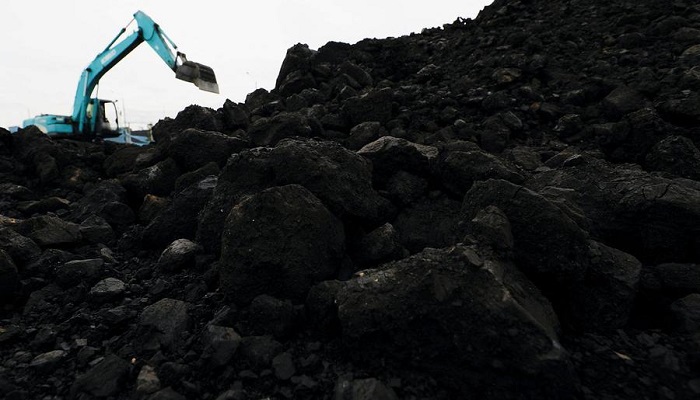
The United States, Japan, and partners said on November 15 that a coalition of nations will raise $20 billion in public and private investment to assist Indonesia in closing coal power facilities and advance the sector’s maximum emissions date by seven years, to 2030.

A U.S. Treasury official told reporters that the Indonesia Just Energy Transition Cooperation (JETP), which has been in the works for more than a year, is perhaps the single largest climate finance deal or plan ever. The Indonesia JETP is modelled on the $8.5 billion plan that was introduced by the US, UK, and EU at COP26 in Glasgow last year to assist South Africa in more quickly decarbonizing its power sector.

Indonesia has committed to restricting power sector emissions to 290 million tonnes by 2030, with a peak that same year, in order to access the program’s $20 billion worth of subsidies and subsidised loans over a three- to five-year period. About half of the funds have been committed by both the public and commercial sectors.

In addition, Indonesia has set goals to quadruple the rate of renewable energy deployment so that it makes up at least 34% of all power generation by 2030 and to achieve net-zero emissions in its power sector by 2050, a full decade earlier than its present aim stated in its national climate plan. According to U.S. Special Envoy on Climate Change John Kerry, they have developed a platform for cooperation that can actually convert Indonesia’s power industry from coal to renewables and promote major economic growth. To reach today’s ground-breaking news, they wrestled with numerous obstacles.

According to a Treasury official, Indonesia’s peak electricity emissions under the proposal would be 25% lower in 2030 than they are now projected to be in 2037. According to the official, Indonesia’s yearly emissions reduction during those years would be greater than Britain’s annual emissions from the power industry. Based on the partners’ statement, the strategy will reduce greenhouse gas emissions by more than 2 billion tonnes by 2060 and by 300 million tonnes by 2030.

According to a statement by Indonesian President Joko Widodo, Indonesia is determined to utilise its energy transition to establish a green economy and accelerate sustainable growth. He continued that this relationship may be repeated in other nations to help accomplish their shared climate goals and will yield useful insights for the global community.

On behalf of the other G7 democracies—Britain, Canada, France, Germany, and Italy—as well as allies Norway, Denmark, and the European Union, the United States and Japan are leading the effort beside Indonesia. Using public and commercial institutions, such as the government-affiliated Japan Bank for International Cooperation, Japan stated that it would assist Indonesia in moving away from coal power.

In the first agreement made under the Asian Development Bank’s ground-breaking new carbon emissions reduction financing programme, Indonesia, the ADB, and a private power company declared their intention to refinance and prematurely deactivate a 660-megawatt coal-fired power plant in West Java province. According to representatives from the U.S. Treasury and State Department, seven international banks would contribute half of the $20 billion.

As per American officials, public finance will comprise grants as well as some equity and lending with favourable terms. In order to make the goals attainable, the United States will work with Indonesia to develop a 90-day plan to establish a secretariat to manage the effort and for Indonesia to modify its regulations, such as expediting permission and establishing a competitive acquisition process. This month, South Africa declared that the amount of funds needed to phase out its coal use was substantially greater than the amount raised through the JETP method.

The State Department official claimed that after learning some lessons, they sought the assistance of local partners right away in order to move as quickly as feasible.

Latest stories

Related stories

Carbon Pricing and Its Long-Term Impact on Power Generation Economics

The implementation of robust carbon pricing mechanisms is fundamentally altering the financial landscape of the energy sector. By internalizing the environmental costs of emissions, these policies are shifting the competitive advantage from fossil fuels to low-carbon alternatives, reshaping investment strategies, and redefining the long-term economic viability of power generation technologies globally.

Repurposing Legacy Power Infrastructure for Low-Carbon Energy Networks

The transition to a sustainable energy future does not require the wholesale destruction of existing systems. By creatively repurposing legacy power infrastructure for low-carbon energy networks, nations can accelerate the deployment of hydrogen and carbon capture technologies while significantly reducing the capital expenditure and environmental impact associated with building entirely new transmission and storage systems.

Balancing Grid Reliability with Deep Power Sector Decarbonisation

Maintaining a constant and reliable flow of electricity while transitioning away from traditional fossil fuels represents one of the greatest engineering feats of the modern era. This analysis explores the strategic deployment of flexible assets and the integration of carbon-neutral firm power to ensure that sustainability goals do not compromise the fundamental stability of the global energy network.

Risk Management Strategies in Emerging Low-Carbon Power Investments

Investing in the next generation of energy infrastructure requires a sophisticated understanding of the evolving risks associated with technological novelty and regulatory shifts. This discussion outlines the frameworks necessary to mitigate uncertainty in hydrogen and carbon capture projects, ensuring that capital is deployed effectively to achieve both financial returns and global sustainability targets.

Subscribe

- Never miss a story with notifications

- Gain full access to our premium content

- Browse free from any location or device.

Media Packs

Expand Your Reach With Our Customized Solutions Empowering Your Campaigns To Maximize Your Reach & Drive Real Results!

– Access the Media Pack Now

– Book a Conference Call

Leave Message for Us to Get Back

Translate »