







Close
MCE 2026
World Hydrogen & Carbon Americas

Shell Australia to build 120MW solar farm in Queensland

Note* - All images used are for editorial and illustrative purposes only and may not originate from the original news provider or associated company.

Subscribe

- Never miss a story with notifications

- Gain full access to our premium content

- Browse free from any location or device.

Media Packs

Expand Your Reach With Our Customized Solutions Empowering Your Campaigns To Maximize Your Reach & Drive Real Results!

– Access the Media Pack Now

– Book a Conference Call

Leave Message for Us to Get Back

Related stories

Heat Pumps as Strategic Grid Assets Enabling Renewable Integration and Stability

Modern heat pumps have evolved beyond efficiency technologies to become strategic grid assets capable of providing demand flexibility, load shifting and seasonal balancing. Discover how large-scale heat pump deployment supports renewable integration and grid stability.

Electrification of Heating and Cooling: Reshaping Global Electricity Demand

The rapid electrification of heating and cooling systems is fundamentally transforming electricity demand patterns worldwide. Explore how thermal electrification impacts peak loads, grid infrastructure, and long-term power generation planning in the transition to decarbonized energy systems.

Buildings as Decentralized Energy Systems: Transforming Power Infrastructure

Modern buildings are evolving from passive energy consumers into active energy producers through on-site renewable generation, battery storage and intelligent control systems. Discover how decentralized energy systems are reshaping grid architecture and redefining buildings as critical nodes in the broader power ecosystem.
- Advertisement -

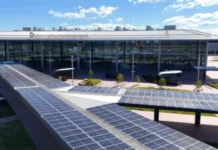
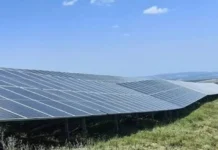
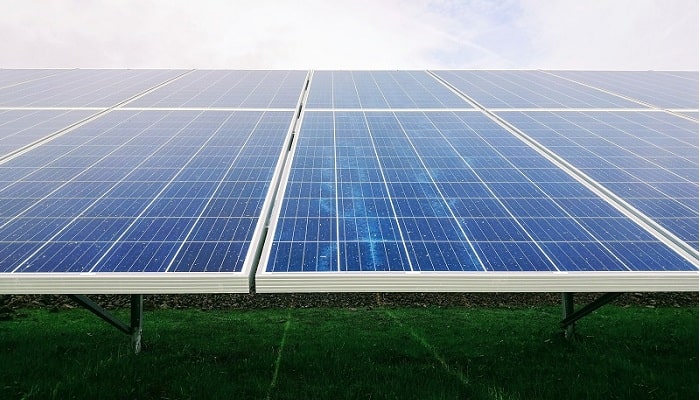
Called Project Gangarri, the 120MW solar farm will feature 400,000 photovoltaic (PV) panels. It will be located near the existing power infrastructure and inside Shell’s QGC onshore natural gas project, which stretches across Queensland’s Western Downs region.

Shell Energy Australia chairman Tony Nunan said: “We believe solar will play an increasing role in the global energy system, especially when partnered with a reliable energy source such as gas.

“We are proud to be investing in the ‘Sunshine State’ and Queensland is a key centre of activity for Shell’s global ambition to expand our integrated power business. Shell’s Gangarri solar farm will help power the operations of our QGC project and reduce carbon dioxide emissions by around 300,000 tonnes a year.

“It continues our long-standing commitment to the regional development of Queensland and creating thriving, diverse local economies.”

The solar facility is expected to be completed by early 2021. During the construction phase, the project is expected to create 200 employment opportunities in the region.

Once completed, the electricity generated by the facility will be sufficient to power 50,000 homes in the region. The clean energy generated by the facility will be delivered to the National Electricity Market grid.

In addition, Shell Energy Australia will be the first customer for the project. The company will purchase the equivalent amount of electricity from the national grid, which will be sold to Shell’s QGC business to reduce its carbon footprint.

Shell Energy Australia vice-president Greg Joiner said: “Solar is one of the building blocks of Shell’s power strategy. “We are increasingly incorporating renewable energy into customer offers, as we have done here for QGC, by combining renewable energy with a firmed energy solution offering reliable supply, a fixed price and a cleaner lower emission package.”

Latest stories

Related stories

Heat Pumps as Strategic Grid Assets Enabling Renewable Integration and Stability

Modern heat pumps have evolved beyond efficiency technologies to become strategic grid assets capable of providing demand flexibility, load shifting and seasonal balancing. Discover how large-scale heat pump deployment supports renewable integration and grid stability.

Electrification of Heating and Cooling: Reshaping Global Electricity Demand

The rapid electrification of heating and cooling systems is fundamentally transforming electricity demand patterns worldwide. Explore how thermal electrification impacts peak loads, grid infrastructure, and long-term power generation planning in the transition to decarbonized energy systems.

Buildings as Decentralized Energy Systems: Transforming Power Infrastructure

Modern buildings are evolving from passive energy consumers into active energy producers through on-site renewable generation, battery storage and intelligent control systems. Discover how decentralized energy systems are reshaping grid architecture and redefining buildings as critical nodes in the broader power ecosystem.

How Renewable Electricity Powers Continuous Thermal Systems

The integration of renewable electricity into thermal energy systems—heating, cooling, and hot water—requires sophisticated technical solutions including thermal storage, hybrid system configurations, and intelligent dispatch algorithms. These innovations enable renewable power to reliably serve round-the-clock thermal demands while maintaining the system reliability that modern buildings and industries require.

Subscribe

- Never miss a story with notifications

- Gain full access to our premium content

- Browse free from any location or device.

Media Packs

Expand Your Reach With Our Customized Solutions Empowering Your Campaigns To Maximize Your Reach & Drive Real Results!

– Access the Media Pack Now

– Book a Conference Call

Leave Message for Us to Get Back

Translate »