


































Harbour Energy strikes $170mn deal so as to acquire substantially all the UK subsidiaries of Waldorf Energy Partners along with Waldorf Production, both at present in administration, hence marking yet another step in the consolidation when it comes to the UK North Sea.
The transaction, which according to Harbour is going to be funded from the present liquidity, is anticipated to be immediately materially accretive in order to free cash flow and at the same time also elevate the resilience along with the longevity of its UK business. Completion is all set for Q2 of 2026, subject to the regulatory approvals as well as the settlement of creditor claims.
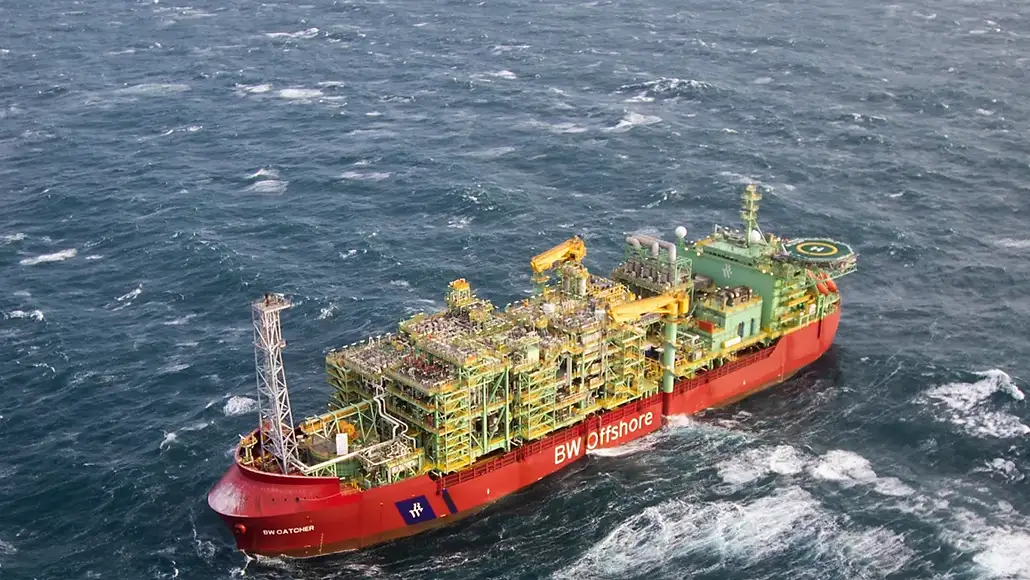
As Harbour Energy strikes $170mn deal, the acquisition of Waldorf is bound to add almost 20,000 barrels of oil equivalent per day of oil-weighted production and also around 35 million barrels of oil equivalent of 2P reserves. It also raises the operated interest of Harbour in the Catcher field to 90%, which is up from 50%, a move that, as per the company, is going to improve the financial balance of the joint venture.
Besides, Harbour will also gain a new production foothold within the Northern North Sea by way of a 29.5% non-operated interest within the Kraken oil field, hence widening its geographic exposure across the basin.
Apart from the headline production and reserves, Harbour is also targeting significant operational along with financial synergies. The integration of the non-operated portfolio of Waldorf into Harbour’s UK organization is anticipated to unlock the efficiencies, while the deal structure enables Harbour to make utmost use of its investment-grade balance sheet to release a forecasted $350 million of cash, which is at present posted as security for decommissioning liabilities of Waldorf.
The acquisition also goes on to bring another UK ring fence tax loss, which could as well further elevate the cash flow profile of Harbour over time.
The managing director of the UK business unit of Harbour, Scott Barr, remarked that the transaction does build on actions that are already taken in order to sustain the position of the company in the basin and that too in the middle of the ongoing fiscal year along with regulatory pressures. He underscored the stabilization of the Catcher partnership and the immediate cash flow advantages, along with the improvements to the long-term sustainability of the UK operations of Harbour, which also includes employment along with energy security.
This deal comes as the UK North Sea goes on to face quite a few mounting challenges, which include higher taxes and regulatory uncertainty as well as decommissioning obligations, which are rising. In such an environment, asset sales out of administration as well as increased consolidation among the established operators have gone on to become more common, especially where stronger balance sheets can go on to absorb late-life assets along with associated liabilities.
For Harbour Energy, this acquisition reinforces its strategy of going ahead and selectively investing in high-quality, cash-generative North Sea assets while at the same time seeking scale and, with it, the operational control in a basin that looks mature.