





















The global energy landscape is currently undergoing a structural metamorphosis that transcends simple fuel switching. At the heart of this evolution is the necessity for a comprehensive power sector hydrogen carbon roadmap, a blueprint designed to synchronize the deployment of molecular energy carriers with sophisticated emission management technologies. As nations grapple with the dual imperatives of energy security and climate mitigation, the integration of hydrogen production and carbon capture and storage (CCS) has emerged as the most viable pathway for maintaining industrial continuity while achieving deep decarbonisation. This roadmap is not merely a technical checklist but a systemic reimagining of how energy is generated, stored, and distributed across the modern grid. The complexity of this task cannot be overstated, as it requires the simultaneous overhaul of legacy infrastructure and the rapid scaling of nascent technologies that must operate in perfect harmony.
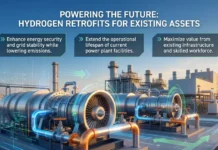
The initial phase of this transition focuses on the foundational infrastructure required to support integrated energy systems. For decades, the power sector has operated on a linear model of generation and consumption, largely reliant on the combustion of fossil fuels with minimal concern for the molecular aftermath. However, the introduction of a power sector hydrogen carbon roadmap necessitates a shift toward a circular or integrated model. In this scenario, excess renewable electricity is diverted to electrolyzers to produce green hydrogen, while existing thermal plants are retrofitted with carbon capture technologies to mitigate their environmental footprint. This synergy ensures that the transition does not strand billions of dollars in existing assets but rather evolves them into components of a low carbon power systems network. By viewing natural gas assets not as liabilities but as the “bridge” infrastructure for blue hydrogen, utilities can transition their workforce and capital more smoothly toward a net-zero endpoint.
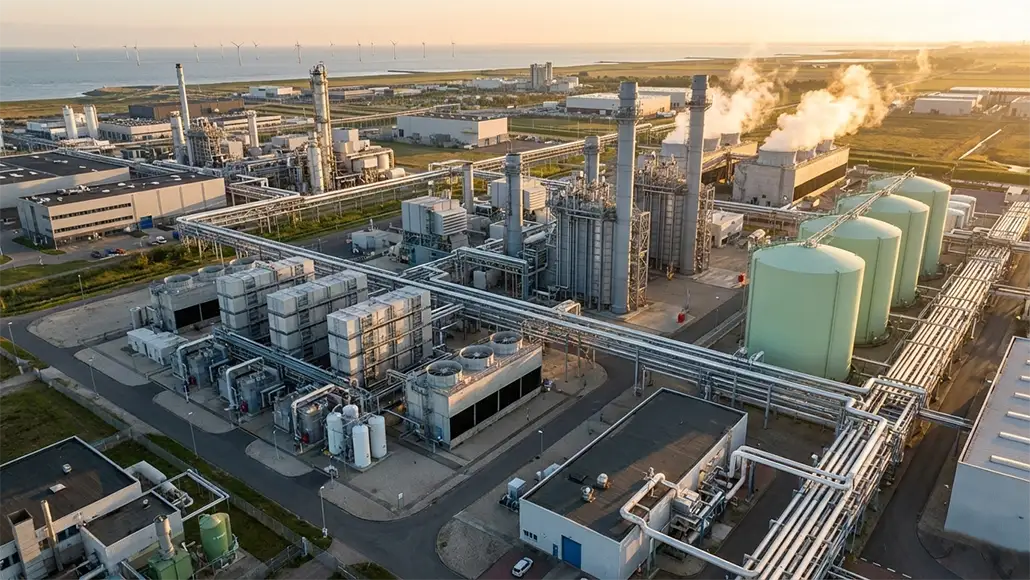
One of the most critical elements in this clean energy roadmap is the development of shared infrastructure. The cost-effectiveness of hydrogen and carbon systems depends heavily on “clustering” the geographical grouping of power plants, industrial hubs, and storage sites. By creating high-capacity pipelines that can transport both captured CO2 to sequestration sites and hydrogen to end-users, the power sector can achieve economies of scale that were previously unattainable. This energy transition strategy relies on the synchronization of policy support with private investment to build the “backbone” of a decarbonised power sector. These industrial clusters serve as the laboratory for the integrated energy systems of tomorrow, proving that the proximity of supply and demand for low-carbon molecules can drastically reduce the levelized cost of energy while simplifying the logistics of carbon sequestration.
Technological Synergies and Modular Integration
Within the broader power sector hydrogen carbon roadmap, the convergence of diverse technologies plays a pivotal role. Hydrogen acts as a versatile energy vector, capable of providing long-duration storage that batteries currently cannot match. When the grid faces prolonged periods of low renewable output, stored hydrogen can be reconverted into electricity through turbines or fuel cells. Simultaneously, carbon capture and storage serves as the essential bridge for “blue” hydrogen production deriving hydrogen from natural gas while capturing the resulting emissions. This dual-track approach ensures a steady supply of low-carbon fuel even as the capacity for purely renewable “green” hydrogen continues to scale globally. The interplay between these two pathways is what makes the roadmap resilient; it allows for flexibility in the face of fluctuating gas prices and varying renewable availability.
The deployment of these technologies requires a modular approach to engineering. Modern power plants are increasingly being designed as “capture-ready” or “hydrogen-capable,” allowing for incremental upgrades as market conditions and regulatory frameworks evolve. This flexibility is a core tenet of any resilient energy transition strategy, as it mitigates the risk of technological obsolescence. By focusing on integrated energy systems, operators can pivot between different fuel sources and emission management protocols based on real-time availability and carbon pricing, thereby optimizing both operational efficiency and environmental impact. Modular electrolyzers, for instance, can be scaled alongside the growth of offshore wind farms, ensuring that the production of hydrogen is always matched to the surplus capacity of the renewable grid.
Strategic Milestones for Industrial Scaling
To move from pilot projects to a fully realized power sector hydrogen carbon roadmap, several strategic milestones must be met over the coming decades. The first involves the standardization of hydrogen purity and carbon capture efficiency metrics. Without clear industry standards, the cross-border trade of low-carbon energy carriers and carbon credits remains fragmented. Furthermore, the decarbonised power sector must witness a significant reduction in the levelized cost of hydrogen (LCOH) through advancements in membrane technology and catalyst durability. These technical improvements are the engines that drive the clean energy roadmap forward, turning theoretical potential into commercial reality. The 2020s are widely seen as the decade of deployment, where the lessons learned from early-stage demonstration projects are translated into the massive capital investments required for gigawatt-scale operations.
Another milestone is the integration of digital twin technology to manage the complexity of these hybrid systems. Monitoring the flow of hydrogen, the pressure of CO2 pipelines, and the fluctuating output of renewable sources requires a level of data granularity that traditional grid management systems lack. By utilizing artificial intelligence and machine learning, the power sector can predict demand surges and optimize the dispatch of hydrogen-fueled generation. This digital overlay is inseparable from the physical infrastructure, forming a cohesive low carbon power systems architecture that is both intelligent and responsive to the needs of a modern economy. Such systems will allow for real-time carbon accounting, giving investors and regulators the transparency needed to verify the environmental credentials of the energy being produced.
Policy Frameworks and Economic Incentives
The success of a power sector hydrogen carbon roadmap is ultimately anchored in the robustness of the prevailing policy environment. Governments play a decisive role in de-risking early-stage investments through subsidies, carbon taxes, and guaranteed offtake agreements. A stable energy transition strategy must include long-term signals that encourage capital flow into carbon capture and storage projects, which often have long payback periods. By internalizing the cost of carbon through pricing mechanisms, the economic viability of integrated energy systems is significantly enhanced, making them competitive with traditional fossil-fuel-based power generation. Tax credits, such as those seen in recent major climate legislations, provide the “green premium” necessary to bridge the gap between expensive initial deployments and the cost-effective scale-up of the future.
Furthermore, international cooperation is essential for the establishment of global supply chains. As certain regions become “hydrogen exporters” due to their vast renewable resources, the power sector hydrogen carbon roadmap must account for the maritime and terrestrial logistics of moving energy across borders. This includes the development of international safety standards for hydrogen handling and the certification of “low-carbon” status for exported energy. A truly decarbonised power sector is a global endeavor, requiring a harmonized approach to regulation that fosters innovation while ensuring that no region is left behind in the race toward net zero. The creation of “hydrogen corridors” between energy-rich and energy-intensive regions will define the new energy geopolitics of the 21st century.
Overcoming Technical and Economic Barriers
Despite the clear benefits, the implementation of a power sector hydrogen carbon roadmap faces significant hurdles. The efficiency losses associated with the “round-trip” conversion of electricity to hydrogen and back to electricity remain a challenge for the economic case of hydrogen as a storage medium. However, when viewed as a component of a larger integrated energy systems network, these losses are offset by the systemic value of reliability and the ability to decarbonise hard-to-electrify industrial processes. In the realm of carbon capture, the energy penalty required to strip CO2 from flue gases is another area where research and development are focused. Breakthroughs in solid sorbents and cryogenic separation are expected to lower these costs, making CCS an even more attractive option for the low carbon power systems of the future.
The financing of these projects also requires a shift in how the financial sector evaluates risk. Traditional project finance models are often ill-suited for the complex, inter-dependent nature of hydrogen and carbon hubs. Investors must now look at the “cluster” as a single entity, where the risk of one component such as the CO2 transport network is shared across all the power plants and industrial sites that utilize it. This systemic approach to risk management is a vital part of the clean energy roadmap, ensuring that capital flows toward projects that have the greatest impact on emissions reduction. As the insurance market develops products tailored to the unique risks of hydrogen storage and carbon sequestration, the barriers to entry for commercial banks will continue to lower.
As we look toward the 2030s and 2040s, the roadmap envisions a landscape where the distinction between the “power sector” and “industrial sector” becomes increasingly blurred. Hydrogen produced by power companies will fuel heavy industry, while carbon captured from those industries will be transported via power sector infrastructure. This deep integration is the final stage of the energy transition strategy, resulting in a resilient, flexible, and sustainable energy paradigm. The journey is complex and fraught with challenges, but the path laid out by the power sector hydrogen carbon roadmap offers a clear direction for a world seeking to reconcile its thirst for energy with the survival of the planet. Ultimately, the success of this transition will be measured not just in carbon tons avoided, but in the creation of a stable, secure, and equitable energy system that can power human progress for generations to come.