

















The transition toward a sustainable energy future is no longer a linear progression of isolated improvements in wind or solar efficiency. Instead, it is increasingly defined by the phenomenon of technology convergence low carbon power, where breakthroughs in digital systems, chemistry, and mechanical engineering combine to solve the grid’s most pressing challenges. This intersection of diverse energy transition technologies is creating a more resilient and flexible power architecture, allowing for the deep integration of volatile renewable sources while maintaining the steady supply required by modern industrial society. As we move closer to mid-century climate goals, the ability to harmonize these disparate systems will be the primary driver of progress. The synergy between different technological domains allows us to overcome the limitations that any single solution would face in isolation, creating a whole that is significantly greater than the sum of its parts.
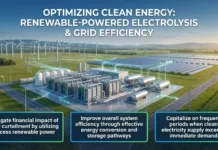
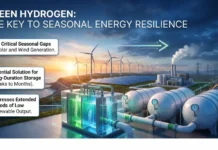
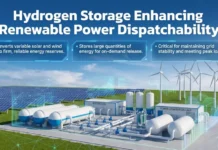
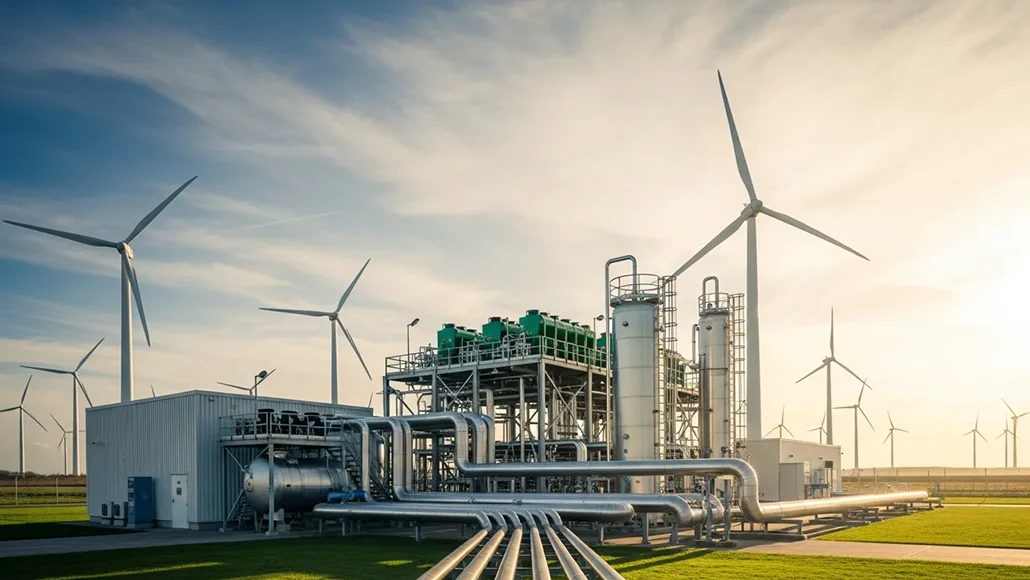
Historically, the power sector was characterized by siloed operations. Coal and gas plants provided “baseload” power, while renewables were treated as fringe contributors to the overall energy mix. Today, the concept of technology convergence low carbon power is dismantling these silos. We are witnessing the fusion of hydrogen integration with existing renewable power systems to create a dispatchable clean energy source. By utilizing excess wind or solar energy to power electrolyzers, the grid can effectively “store” sunshine and wind in the form of hydrogen gas. This convergence not only solves the intermittency problem of renewables but also provides a high-density fuel for heavy-duty transportation and industrial heating, sectors that are notoriously difficult to electrify. This systemic coupling is the cornerstone of a modern decarbonisation strategy.
The Role of Digital Energy Transformation
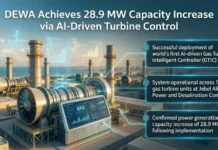
A critical catalyst in this process is the digital energy transformation. Without sophisticated software and real-time data analytics, managing the complexity of technology convergence low carbon power would be nearly impossible. Smart grids now utilize decentralized ledger technology and advanced sensors to balance supply and demand across thousands of nodes in real-time. This digital layer allows for the seamless orchestration of energy storage solutions, ranging from massive lithium-ion battery arrays to smaller, residential-scale distributed energy resources. By applying machine learning to weather patterns and consumption data, utilities can predict “dark doldrums” periods of low wind and solar output and proactively activate stored reserves or adjust demand patterns across the network.
Furthermore, the integration of digital tools has paved the way for more efficient carbon capture innovation. Advanced simulation software now allows engineers to design carbon scrubbing systems that are tailor-made for specific flue gas compositions and operational cycles. This level of precision, driven by technology convergence low carbon power, reduces the parasitic load that carbon capture often imposes on power plants. When combined with Internet of Things (IoT) monitoring, these systems can adjust their capture rates in real-time based on the carbon intensity of the grid and the prevailing price of carbon credits, ensuring that emission reduction is maximized without compromising grid stability or economic viability. Digital twins of entire energy hubs enable operators to simulate the impact of new technology injections before they are physically deployed, significantly de-risking the transition.
Hydrogen and Renewables: A Molecular Synergy
At the core of technology convergence low carbon power is the relationship between molecular energy carriers and electrical systems. While electricity is ideal for light-duty transport and domestic lighting, many industrial processes such as steel manufacturing and chemical production require the intense, concentrated heat that only combustion or high-grade thermal processes can provide. Hydrogen integration serves as the vital link here. By converting renewable electricity into hydrogen, we create a bridge between the power grid and the hard-to-abate sectors of the economy. This synergy is a hallmark of the modern energy transition technologies landscape, where the goal is to create a “sector-coupled” economy that minimizes waste and maximizes the utility of every green kilowatt-hour produced.
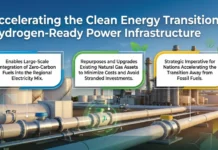
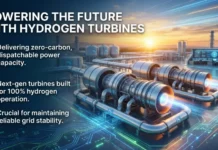
The scaling of this molecular synergy depends on the development of specialized energy storage solutions. Beyond traditional batteries, researchers are looking toward ammonia and liquid organic hydrogen carriers (LOHCs) as stable mediums for long-distance transport and seasonal storage. The convergence of chemical engineering with power management systems allows these carriers to be integrated directly into the thermal cycles of existing gas turbines or converted back to electricity via fuel cells. This ability to “re-purpose” existing infrastructure through technology convergence low carbon power is a major economic advantage, reducing the need for entirely new transmission networks and accelerating the overall pace of the transition. These molecular carriers act as a “buffer” for the global energy system, providing the long-duration resilience that a purely electrical grid lacks.
Advanced Materials and Mechanical Engineering
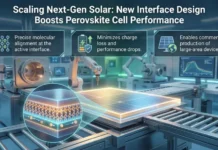
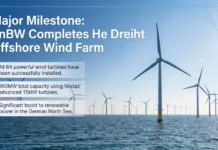
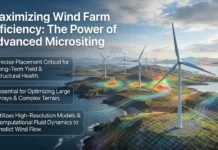
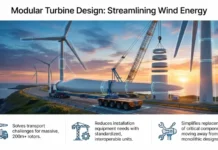
The physical hardware of the energy transition is also benefiting from technology convergence low carbon power. In the realm of renewable power systems, new materials like perovskites are being combined with traditional silicon in “tandem” solar cells to break historical efficiency records. Similarly, the mechanical engineering of wind turbines is incorporating aerospace technology to create larger, lighter, and more aerodynamic blades capable of capturing energy at lower wind speeds and higher altitudes. These advancements are not happening in isolation; they are supported by the same digital energy transformation that manages the grid, creating a feedback loop where better data leads to more precise material design and more efficient operational protocols.
Carbon capture innovation is likewise seeing a leap forward due to the application of metal-organic frameworks (MOFs). These engineered materials have an incredibly high surface area, allowing them to capture CO2 with far less energy and at lower pressures than traditional amine-based solvents. The convergence of nanotechnology with power plant engineering is turning carbon capture from a costly burden into a streamlined industrial process that can be integrated into a wide range of combustion environments. This is the essence of technology convergence low carbon power: the application of cutting-edge science to the oldest problem of the industrial age how to generate the power our civilization requires without compromising the atmospheric stability of our planet.
Systemic Resilience and Future Outlook
As these technologies continue to mature and intersect, the cost of the energy transition will inevitably fall. The “green premium” associated with low-carbon fuels is shrinking as technology convergence low carbon power creates more efficient pathways for production and distribution. One of the most promising areas for future growth is the development of “integrated energy hubs,” where electricity, heat, and hydrogen are managed as a single ecosystem. In these hubs, waste heat from an electrolyzer can be used for district heating, while the oxygen byproduct can be utilized in medical or industrial applications. This level of systemic efficiency is only possible through the deep integration of diverse technological domains.
The path forward is clear: success in the energy transition will be measured not by the success of any single technology, but by how well we integrate them into a cohesive, intelligent, and sustainable whole. The acceleration of the low-carbon transition is, at its heart, an exercise in connectivity linking the digital with the physical, the electrical with the molecular, and the present with a cleaner, more resilient future. Governments and industry leaders must foster an environment where cross-disciplinary innovation can thrive, breaking down the regulatory and financial barriers that still hinder technology convergence low carbon power. By doing so, we can create an energy system that is not only sustainable but also more equitable and robust than the fossil-fuel-based paradigm it is replacing. The convergence of these technologies is not just an engineering challenge; it is the fundamental mechanism of our transition to a net-zero civilization.