



















The global imperative to decarbonise the energy sector presents a profound challenge for the owners and operators of existing fossil-fueled infrastructure. For decades, coal and natural gas have served as the bedrock of the world’s power supply, providing the synchronous inertia and dispatchable capacity necessary to maintain a stable grid. However, as climate policies tighten and the penetration of variable renewable energy increases, the traditional “business as usual” model for these assets is no longer viable. Implementing effective gas thermal power transition strategies is now a matter of survival for utilities and independent power producers alike. This transition does not necessarily mean the immediate abandonment of these multi-billion dollar investments; rather, it involves a strategic evolution where legacy assets are repurposed or retrofitted to serve a low-carbon future. The complexity of this task requires a deep understanding of thermodynamics, fuel chemistry, and market economics.
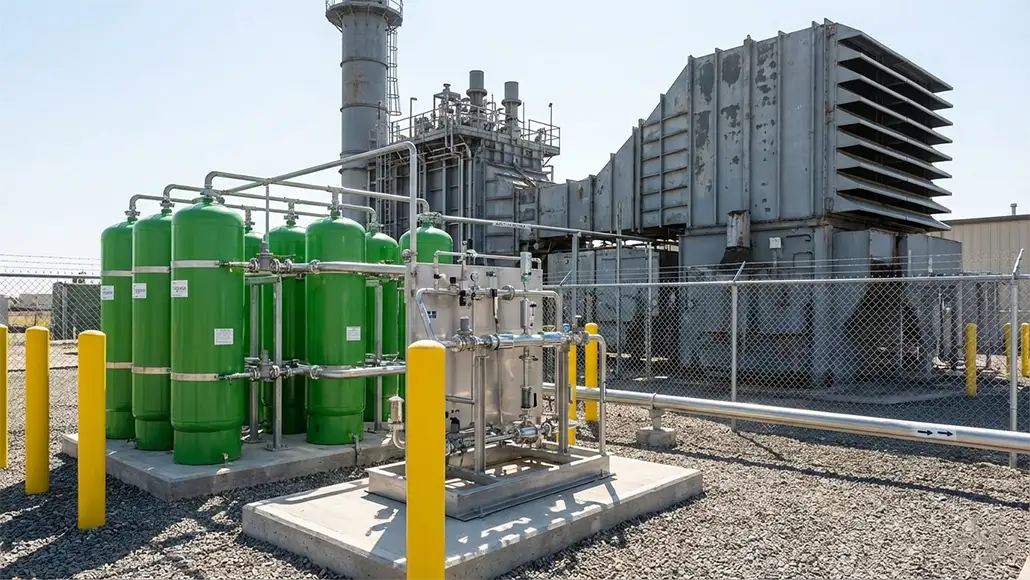
The first step in any thermal power decarbonisation effort is the assessment of technical compatibility for alternative fuels. Many modern natural gas turbines are already capable of operating on a mixture of methane and hydrogen, a process known as hydrogen blending. This represents a significant component of gas thermal power transition strategies, as it allows for an incremental reduction in carbon intensity without requiring a total overhaul of the plant. At lower concentrations typically between five and fifteen percent by volume hydrogen can be introduced into the existing gas stream with minimal modifications to the combustion system. However, moving toward higher percentages requires more substantial engineering changes, including the redesign of burners to manage the higher flame speed and different heat release characteristics of hydrogen. These technical hurdles are the focus of intense research and development by original equipment manufacturers (OEMs) who are racing to bring 100% hydrogen-ready turbines to market.
Implementing Multi-Stage Decarbonisation Pathways
Beyond simple fuel blending, a more comprehensive gas power transition involves the integration of carbon capture and storage (CCS) technologies. This is particularly relevant for high-efficiency combined-cycle gas turbine (CCGT) plants that have many years of operational life remaining. By capturing the CO2 from the flue gas, these plants can continue to provide firm, dispatchable power while drastically reducing their environmental footprint. The implementation of post-combustion capture using amine-based solvents is the most mature technology in this space, although it does impose a significant parasitic load on the plant, reducing its net output and overall efficiency. Therefore, successful gas thermal power transition strategies must account for the trade-off between emission reduction and operational economics. The proximity to suitable geological storage sites or CO2 transport pipelines is often the deciding factor in the feasibility of these projects.
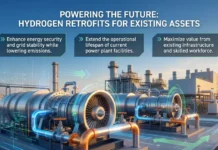
For older coal-fired assets, the transition strategy is often more drastic, involving the conversion of the plant to run on natural gas a process that can reduce carbon emissions by nearly half per megawatt-hour. While gas-conversion is a well-established practice, it is increasingly viewed as an intermediate step rather than a final destination. In the context of a long-term energy transition planning framework, these converted plants must be viewed as candidates for future hydrogen blending or CCS retrofitting. The goal is to avoid “locking in” carbon emissions for the long term, ensuring that every investment made today is compatible with a net-zero endpoint. This forward-looking approach is what distinguishes high-quality gas thermal power transition strategies from short-term fixes that may result in stranded assets in the coming decade.
Operational Flexibility and the Changing Role of Thermal Assets
As the grid incorporates more wind and solar, the role of thermal power is shifting from providing baseload energy to providing “flexibility services.” Modern gas thermal power transition strategies must prioritize the ability of a plant to ramp up and down quickly to compensate for the variability of renewables. This “peaking” role requires a different approach to maintenance and operations, as frequent thermal cycling can lead to increased wear and tear on boiler tubes and turbine blades. Advanced digital monitoring systems and predictive maintenance algorithms are essential tools for managing these new operational stresses. By optimizing the plant’s performance for flexibility, operators can secure new revenue streams from ancillary service markets, such as frequency response and voltage support, which are becoming increasingly valuable in a decarbonised power sector.
Furthermore, the concept of “cleaner fossil fuels” involves the use of carbon offsets and the procurement of “certified” natural gas that has been produced with minimal methane leakage. While these measures do not eliminate emissions at the point of combustion, they form part of a broader corporate gas thermal power transition strategies portfolio aimed at reducing the overall lifecycle impact of energy production. This holistic view of the value chain is becoming a requirement for attracting green finance and maintaining a social license to operate. Utilities that fail to demonstrate a clear and science-based decarbonisation pathway face rising capital costs and increasing pressure from activist shareholders.
Integration with Emerging Molecular Energy Hubs
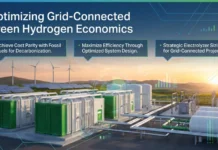
The most ambitious gas thermal power transition strategies envision the transformation of power plants into integrated “energy hubs.” In this model, the power plant is no longer an isolated generator but a central node in a network that produces electricity, heat, and hydrogen. For example, a thermal plant could utilize its existing grid connection and water access to host large-scale electrolyzers, producing green hydrogen during periods of low electricity demand. This hydrogen can then be stored on-site or injected into the gas network, creating a circular energy economy. This level of sector coupling is the ultimate goal of low carbon generation strategies, as it maximizes the utility of existing infrastructure while providing multiple pathways for emission reduction across the wider economy.
The success of these strategies is inextricably linked to the development of a supportive regulatory environment. Policymakers must provide the long-term price signals such as carbon taxes or clean energy mandates that make investments in hydrogen blending and CCS economically viable. Without clear direction, the private sector is unlikely to commit the massive capital required for such deep decarbonisation efforts. A well-designed gas thermal power transition strategies framework should also include provisions for workforce retraining, ensuring that the highly skilled engineers and technicians currently working in the thermal sector can transition into roles in the new hydrogen and carbon management industries. This just transition is essential for maintaining political support for the energy revolution.
As we look toward the 2030s, the landscape for thermal power will be unrecognizable compared to the past century. The plants that remain will be cleaner, more flexible, and more integrated into the broader molecular energy system. The transition is not a retreat from thermal power, but a reinvention of it. By embracing hydrogen blending, carbon capture, and digital optimization, the industry can ensure that gas thermal power transition strategies deliver the reliable and sustainable energy that the world requires. The path is difficult and requires constant innovation, but the technical and economic frameworks are already beginning to take shape, offering a clear roadmap for the evolution of the world’s power assets.