














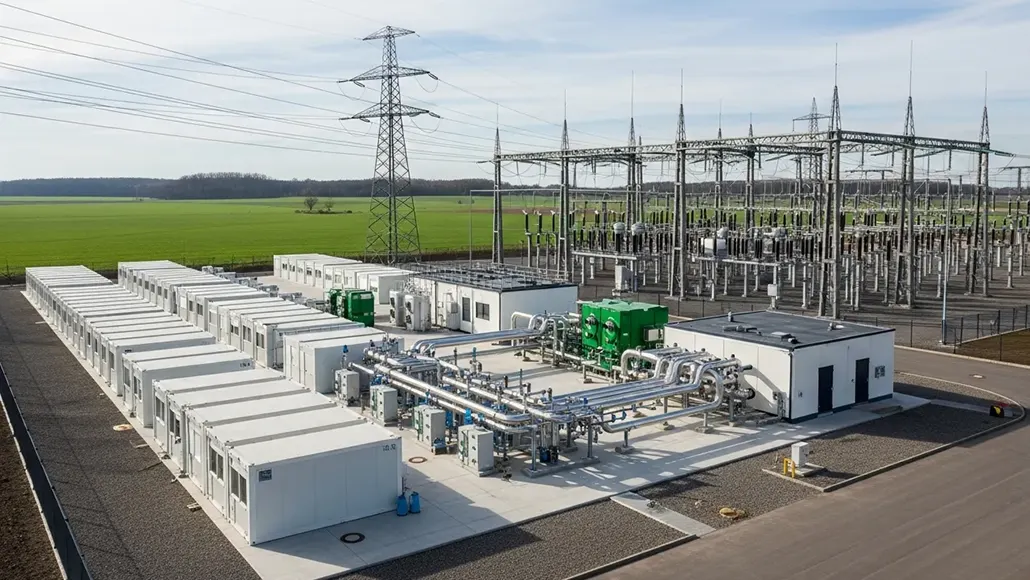

The emergence of hydrogen as a primary energy vector is not merely a technological shift but a structural revolution that is fundamentally altering the landscape of regional power markets hydrogen integration. For decades, electricity markets have been designed around the central pillar of electron transport, with fossil fuels serving as the flexible backbone. Today, the integration of molecular energy carriers like hydrogen is forcing a total rethink of how regional power markets function. As nations strive to meet their climate obligations, the need for a coordinated, cross-border approach to energy has never been more acute. This transformation requires the synchronization of hydrogen infrastructure with the electrical grid, a task that demands unprecedented levels of energy policy reform and power market design innovation.
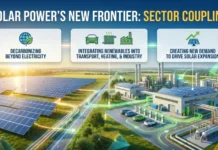
In the context of regional power markets hydrogen integration, the primary challenge is the creation of a “sector-coupled” market where electricity and gas prices are no longer isolated. When there is a surplus of renewable energy in one part of a region, it can be converted into hydrogen via electrolysis and stored or transported to another area where demand is high. This process effectively turns hydrogen into a dispatchable form of electricity, providing the long-duration storage that regional grids desperately need. However, for this to work, the regulatory frameworks that govern these markets must be harmonized. Rules regarding grid access for electrolyzers, the taxation of electricity used for hydrogen production, and the certification of “green” molecules must be consistent across borders to avoid market distortions and encourage private investment.
Reforming Power Market Design for a Molecular Future
A successful regional energy transition depends on the development of price signals that accurately reflect the value of flexibility and storage. Current power market design often prioritizes short-term energy volume over long-term system stability. To facilitate regional power markets hydrogen integration, we must see the emergence of markets for “ancillary services” that specifically reward hydrogen-based plants for their ability to provide frequency response and voltage support. This requires a move away from simple energy-only markets toward more sophisticated capacity mechanisms. Furthermore, the development of a liquid and transparent hydrogen market is essential. Without a clear “spot price” for hydrogen that is linked to the cost of electricity, it will be difficult for investors to hedge their risks and for grid operators to optimize the dispatch of these diverse energy assets.
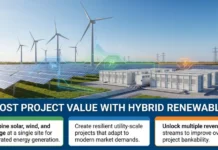
The role of clean electricity markets is also evolving as they begin to incorporate the molecular dimension. We are seeing the birth of “hybrid” energy auctions where developers bid to provide a combination of renewable electricity and hydrogen-based storage. This integrated approach ensures that the build-out of hydrogen infrastructure is perfectly matched to the growth of renewable capacity. For regional power markets hydrogen integration to succeed, these auctions must be open to participants from across the region, allowing for the most efficient allocation of resources and the realization of economies of scale. This is particularly relevant in areas like Europe or the Nordics, where the high degree of interconnection allows for the seamless sharing of energy across borders.
Infrastructure Coordination and Cross-Border Planning
The physical backbone of the hydrogen economy is just as important as the regulatory one. Regional power markets hydrogen integration requires the development of coordinated hydrogen infrastructure that transcends national boundaries. This includes the “repurposing” of old gas pipelines and the construction of new high-capacity transmission lines. Regional planning bodies are now being tasked with creating “integrated energy maps” that identify the best locations for hydrogen production hubs and storage sites relative to the electrical grid. By placing electrolyzers at key nodes in the transmission network, grid operators can use them to manage congestion, converting excess local power into hydrogen rather than curtailing it.
This level of coordination is a significant leap from the national-centric planning of the past. It requires a shared vision of the regional energy transition and a commitment to long-term cooperation. The development of “hydrogen valleys” or industrial clusters that span multiple countries is a prime example of this trend. These clusters act as the primary engine for hydrogen market development, creating a localized ecosystem of supply and demand that can eventually be linked to form a continental network. The energy policy reform needed to support this includes the standardization of safety codes, the harmonization of pipeline specifications, and the creation of regional “clearing houses” for hydrogen trade and certification.
The Geopolitical and Economic Implications of Integration
The shift toward regional power markets hydrogen integration also has profound geopolitical implications. As certain countries within a region become net exporters of hydrogen leveraging their vast wind or solar resources the dynamics of energy dependency are reshaped. This can foster a new era of regional cooperation, as energy-rich and energy-intensive nations become deeply interdependent through a shared molecular and electrical infrastructure. However, it also introduces new vulnerabilities, as the failure of a key pipeline or an electrolyzer hub in one country could affect the energy security of the entire region. Therefore, resilience and redundancy must be built into the system from the very beginning, with multiple routes and storage options to ensure a continuous supply.
From an economic perspective, the integration of hydrogen into regional power markets is a major driver of clean power competitiveness. By providing a way to capture and store “low-cost” surplus renewable energy, hydrogen lowers the overall system cost of the transition. It reduces the need for expensive grid reinforcements and prevents the wastage of renewable energy through curtailment. As the hydrogen market matures, the levelized cost of energy for a hydrogen-integrated grid is expected to fall below that of a traditional system reliant on fossil fuels and carbon taxes. This economic advantage will be the primary catalyst for the widespread adoption of regional power markets hydrogen integration, turning the climate imperative into an economic opportunity for those regions that lead the way in innovation and policy reform.
As we look toward the 2040s, the distinction between electricity and gas markets will continue to blur, resulting in a unified “energy market” that is capable of managing both electrons and molecules with equal efficiency. The preparation for this future must begin today, with bold energy policy reform and a commitment to regional collaboration. By masterfully managing the regional power markets hydrogen integration, we can build a global energy system that is not only sustainable but also more stable, equitable, and prosperous than the one we are leaving behind. The hydrogen revolution is not just about a new fuel; it is about a new way of thinking about energy as a connected, regional, and molecular resource.