
























The introduction of carbon pricing represents perhaps the most significant structural shift in the history of power sector economics. For over a century, the environmental externalities associated with burning fossil fuels primarily the release of CO2 into the atmosphere were largely ignored in the financial accounting of power plants. Today, through the implementation of carbon taxes and an emissions trading system (ETS), these external costs are being internalized into the price of electricity. This fundamental change is reshaping carbon pricing power generation economics, turning what was once a “free” disposal of waste into a significant operational liability. As carbon prices in major markets like Europe continue to climb, they are acting as a powerful catalyst for the energy transition, permanently altering the hierarchy of energy generation technologies.
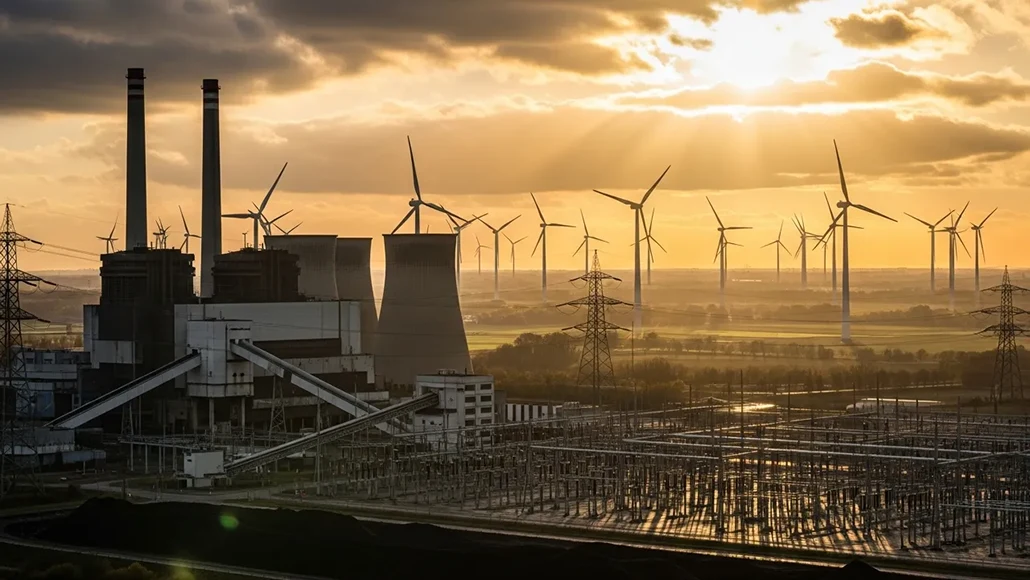
The primary mechanism by which carbon pricing influences the market is through the “merit order” of power plants. In a traditional competitive market, plants are dispatched based on their short-run marginal costs. Historically, coal and gas were at the front of the queue due to their low fuel costs. However, carbon pricing power generation economics flips this logic. By adding a cost per ton of CO2 emitted, carbon pricing makes high-carbon fuels like coal significantly more expensive to run than lower-carbon natural gas, and both become less competitive compared to zero-marginal-cost renewables. This “fuel switching” is the most immediate impact of carbon pricing, driving a rapid reduction in emissions as the most polluting plants are pushed out of the market by cleaner alternatives. This is not just a temporary shift but a permanent reconfiguration of the electricity supply.
Shifting Investment Strategies and Capital Allocation
Beyond daily operations, the long-term impact of carbon pricing power generation economics is most visible in the realm of low carbon investment. For institutional investors and utilities, the “carbon price signal” is the most critical variable in their long-term financial models. A high and stable carbon price reduces the uncertainty associated with clean energy projects, making them more attractive to capital markets. Conversely, it increases the risk profile of fossil fuel projects, which may face rising costs or even stranded asset status over their 30-year operational life. This shift in capital allocation is the engine of the energy transition policy, as it ensures that the billions of dollars required for new infrastructure are directed toward sustainable technologies rather than legacy systems.
Furthermore, carbon pricing provides a direct financial incentive for the deployment of carbon capture and storage (CCS) and hydrogen technologies. When the cost of emitting a ton of CO2 exceeds the cost of capturing and storing it, CCS becomes an economically rational choice for thermal power operators. This threshold is a key milestone in carbon pricing power generation economics, as it marks the point where “abated” fossil fuels can compete on a level playing field with renewables. The revenue generated from carbon markets is also being increasingly “recycled” by governments to fund research and development in these emerging sectors, creating a virtuous cycle where the polluter pays for the innovation that will ultimately replace them. This is the essence of a well-functioning energy transition policy.
Clean Power Competitiveness and Market Maturity
The evolution of carbon pricing power generation economics is also driving a surge in clean power competitiveness. In many regions, wind and solar are already the cheapest form of new electricity generation even without accounting for carbon. When the carbon price is added to the competition, the gap widens further, making it nearly impossible for new coal or unabated gas plants to compete on a merchant basis. This market maturity is a testament to the power of price signals to drive technological innovation and scale. As the cost of renewables continues to fall and the cost of carbon continues to rise, the economic case for the “all-electric” and “all-green” grid becomes increasingly overwhelming, reshaping the very foundations of the utility business model.
However, the impact of carbon pricing is not uniform across the globe. The fragmentation of carbon markets where some regions have high prices and others have none introduces the risk of “carbon leakage,” where energy-intensive industries move to jurisdictions with weaker regulations. To combat this, the introduction of carbon border adjustment mechanisms (CBAM) is becoming a vital component of carbon pricing power generation economics. By placing a carbon-related tariff on imported electricity and goods, these policies ensure that local generators are not penalized for their decarbonisation efforts. This creates a more level playing field and encourages a global convergence toward high carbon prices, ensuring that clean power competitiveness is protected in an increasingly globalized energy market.
The Role of Emissions Trading Systems (ETS)
An emissions trading system (ETS) offers a more flexible and market-driven approach to carbon pricing than a flat tax. By setting a “cap” on the total allowable emissions and allowing firms to trade allowances, the ETS ensures that emissions reductions occur where they are cheapest to achieve. In the context of carbon pricing power generation economics, the ETS provides a clear “glide path” for the decarbonisation of the grid. As the number of available allowances is reduced over time, the price naturally rises, providing an ever-stronger incentive for utilities to invest in low-carbon alternatives. The liquidity and transparency of these carbon markets are essential for allowing energy companies to hedge their carbon risk, much as they do with fuel or electricity prices.
The long-term success of an ETS depends on its ability to provide a predictable price floor and ceiling. Sudden price crashes can undermine the incentive for low carbon investment, while excessive volatility can make it difficult for utilities to plan their long-term fleet evolution. Many modern carbon markets now include “Market Stability Reserves” to manage supply and demand, ensuring that the price remains within a range that supports the goals of the energy transition policy. This sophisticated market management is a hallmark of the modern approach to power sector economics, where the goal is to use the power of the market to achieve a social and environmental objective the stabilization of the global climate.
As we look toward the 2030s and beyond, carbon pricing will remain the primary steering mechanism for the global energy system. It is the bridge between the physical reality of climate change and the financial reality of the boardroom. By masterfully managing the carbon pricing power generation economics, we can ensure that the transition to a low-carbon world is not only environmentally necessary but also economically efficient. The era of “unpriced” carbon is over, and the era of the clean, carbon-accountable grid has begun. This shift is not just an added cost; it is a fundamental revaluation of energy that prioritizes the health of the planet alongside the stability of the economy. The long-term impact of carbon pricing is nothing less than the total reinvention of how we value, produce, and consume power in a sustainable world.