






























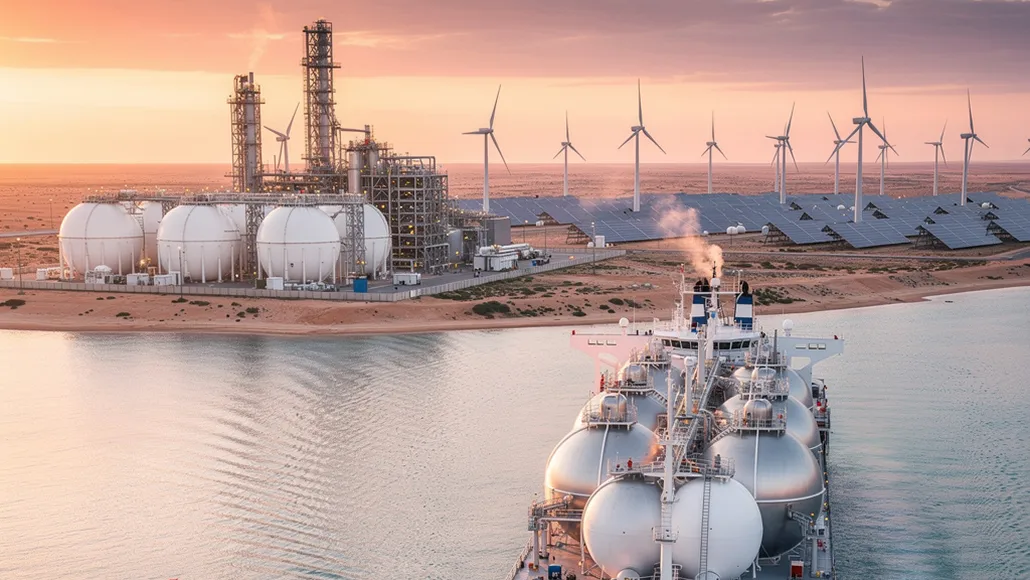

The historical paradigm of energy trade, long dominated by the shipment of liquid hydrocarbons and coal, is entering a transformative era of molecular diversification. At the center of this shift is the development of hydrogen trade corridors global energy supply, a systemic restructuring that promises to link the world’s most efficient renewable energy production sites with the industrial heartlands of Europe and East Asia. As nations move toward deep decarbonisation, the realization that domestic renewable generation may be insufficient for heavy industry has catalyzed a race to establish the first truly global hydrogen market. This evolution is not merely about changing the fuel source but about re-engineering the very logistics of energy, moving from the extraction of finite subterranean resources to the harvesting of infinite wind and solar power for export.
The concept of a trade corridor in the hydrogen economy transcends simple pipeline connections. It represents a complex web of export-import agreements, specialized maritime hydrogen transport technologies, and a harmonized regulatory framework that ensures the low-carbon pedigree of every molecule traded. For regions like Australia, North Africa, and South America, the rise of hydrogen trade corridors global energy supply offers an unprecedented economic opportunity to become the “green energy superpowers” of the 21st century. These regions possess the vast land and high capacity factors required for green hydrogen exports at a levelized cost that can eventually compete with fossil fuels. However, the path from local production to global trade is fraught with technical challenges, primarily concerning the physical density and transportability of hydrogen.
The Logistics of Maritime Hydrogen Transport
Unlike oil, which is energy-dense and easy to handle at ambient temperatures, hydrogen presents a formidable logistical hurdle. Establishing hydrogen trade corridors global energy supply necessitates a decision on the optimal carrier medium for cross-border energy trade. Currently, three primary pathways are competing for dominance in the maritime hydrogen transport sector: liquid hydrogen, ammonia, and liquid organic hydrogen carriers (LOHC). Liquid hydrogen requires cryogenic temperatures of minus 253 degrees Celsius, necessitating highly specialized and expensive shipping vessels. Ammonia, while easier to liquefy and already supported by a mature global trade infrastructure, requires a chemical “cracking” process at the destination to release the hydrogen, which adds to the overall cost and energy penalty of the supply chain.
Despite these challenges, the development of specialized vessels is accelerating. The successful voyage of the world’s first liquid hydrogen carrier between Australia and Japan served as a proof of concept for the feasibility of long-distance transport. As the global hydrogen market scales, the maritime industry is bracing for a shift toward “multi-molecule” fleets capable of handling diverse carriers. The strategic positioning of ports as energy hubs is a critical component of hydrogen trade corridors global energy supply. Ports are evolving from simple loading docks into integrated energy processing centers where hydrogen is liquefied or converted into ammonia for export, and later regasified or cracked for distribution into regional power and industrial networks. This transformation of energy transition logistics is essential for reducing the “green premium” and making hydrogen trade a commercial reality.
Certification Standards and the Trust Economy
A global energy trade system can only function if there is absolute trust in the environmental credentials of the product. This is where hydrogen certification standards play a pivotal role in the success of hydrogen trade corridors global energy supply. Because hydrogen is a colorless gas regardless of how it is produced, a rigorous “Guarantee of Origin” (GoO) system is required to track the carbon intensity of every kilogram. Without international harmonization of these standards, cross-border energy trade remains fragmented, as hydrogen produced in one region may not meet the “green” criteria of another. The development of these standards involves complex life-cycle assessments that account for emissions during production, transport, and even the manufacturing of the electrolyzers themselves.
The establishment of clean energy supply chains depends on the digital transparency provided by blockchain and advanced sensors. These technologies allow for the real-time tracking of the hydrogen molecule from the wind farm in the Atacama Desert to the steel mill in the Ruhr Valley. This digital “passport” ensures that the premium paid for green hydrogen exports is justified by actual emission reductions. Furthermore, certification standards are becoming the basis for international hydrogen auctions, such as the H2Global mechanism, which uses double-auction models to bridge the price gap between producers and consumers. By masterfully managing the regulatory dimension of hydrogen trade corridors global energy supply, the international community can create a liquid and transparent market that encourages the multi-billion dollar investments required for infrastructure build-out.
Geopolitics and Regional Power Dynamics
The shift toward hydrogen trade corridors global energy supply is inevitably redrawing the lines of geopolitical influence. The traditional “petrostates” are facing a choice: adapt their existing infrastructure for blue hydrogen production with carbon capture or risk losing their relevance in a decarbonised world. Conversely, nations that were previously energy-dependent are now finding themselves at the center of new strategic alliances. The European Union’s pursuit of hydrogen corridors with North Africa, for instance, is as much about energy security and diversification as it is about climate mitigation. By building a network of pipelines and shipping routes, these regions are creating a new form of interdependence that is less volatile than the fossil fuel markets of the past.
However, the energy transition logistics of hydrogen trade also introduce new vulnerabilities. The reliance on specialized maritime transport and specific port infrastructure creates “choke points” similar to those found in oil trade. Ensuring the security of these hydrogen trade corridors global energy supply is therefore becoming a priority for national security planners. This involves not only physical protection of assets but also the resilience of the technological supply chain. As the global hydrogen market matures, we may see the emergence of a “Hydrogen OPEC” or similar organizations aimed at coordinating production levels and prices. The goal of international policy must be to ensure that these new trade dynamics foster a more equitable and stable global energy system rather than replicating the inequities of the fossil fuel era.
The Economic Impact of Trade Corridors
The economic implications of establishing hydrogen trade corridors global energy supply are profound. For exporting nations, it offers a path to industrialization and economic diversification. For importing nations, it provides the essential molecular energy required to maintain a competitive industrial base in a net-zero world. The scale-up of green hydrogen exports is expected to drive a rapid decline in the cost of electrolysis technology, benefiting the entire global hydrogen market through the “experience curve” effect. This virtuous cycle of trade and innovation is the primary engine of the global energy transition, turning hydrogen from a niche industrial gas into a foundational commodity of the modern economy.
As we look toward the 2030s and 2040s, the map of global energy trade will be unrecognizable. The shipping lanes that once carried tankers of crude oil will increasingly be filled with vessels carrying ammonia or liquid hydrogen. The pipelines that once pulsed with natural gas will be repurposed for carbon-neutral molecules. This is the ultimate promise of hydrogen trade corridors global energy supply: a world where energy is no longer a source of conflict over finite resources but a catalyst for global collaboration and sustainable growth. The technical and regulatory foundations being laid today are the infrastructure of tomorrow’s prosperity, ensuring that the clean energy supply chains of the future are as robust as they are sustainable.
Key Takeaways
The development of international hydrogen trade corridors represents a fundamental shift in energy geography, moving from the extraction of localized fossil fuels to the global distribution of renewable energy. By connecting high-potential production regions with industrial demand centers through maritime transport and pipelines, these corridors ensure that the energy transition is not limited by domestic resource constraints. This diversification enhances energy security and provides a stable pathway for nations to decarbonise their heavy industrial sectors while fostering new geopolitical alliances based on sustainable molecular energy trade.
Standardization and certification are the essential enablers of the global hydrogen market, ensuring that the environmental value of low-carbon hydrogen is verifiable across borders. The implementation of rigorous Guarantee of Origin systems and transparent life-cycle carbon assessments is critical for building investor confidence and allowing for the commercial scaling of clean energy supply chains. Without these harmonized standards, the international trade of hydrogen remains fragmented, highlighting the importance of regulatory innovation alongside technical advancements in maritime logistics and production technology.