



















For decades, the concept of energy security was synonymous with the protection of oil and gas trade routes and the maintenance of strategic petroleum reserves to mitigate the impact of supply disruptions. However, as the world transitions toward a decarbonised future, the parameters of security are being fundamentally and permanently redefined. The emergence of a hydrogen economy is shifting the focus from the extraction of finite fossil fuels to the production of renewable and low-carbon gases. In this new landscape, energy security hydrogen power systems are defined by a nation’s ability to produce its own fuel, diversify its technological supply chains, and build a grid that is resilient to both geopolitical shocks and the physical impacts of a changing climate. This evolution represents a significant move toward energy independence for many nations that were previously dependent on the geopolitical stability of distant oil and gas-exporting regions.
At the heart of energy security hydrogen power systems is the concept of domestic production and “energy sovereignty.” Unlike oil and natural gas, which are concentrated in specific geographic regions, the raw materials for hydrogen water and energy are essentially universal. Whether through the electrolysis of water using local wind and solar power or the reforming of natural gas with integrated carbon capture, nations can now develop a robust low carbon energy supply within their own borders. This shift reduces the vulnerability to international price volatility and the political leverage that traditional energy-exporting nations have historically wielded. By investing in the infrastructure for renewable hydrogen, countries can decouple their economic growth from the whims of the global fossil fuel market, creating a more stable and predictable domestic energy environment that fosters long-term industrial investment.
Geopolitical Shifts and Supply Chain Resilience
The transition to a hydrogen-integrated system does not, however, eliminate geopolitical risks; it merely changes their nature and location. While the focus on fossil fuel imports may diminish, new dependencies are emerging in the realm of raw materials and manufacturing technology. The production of electrolyzers, fuel cells, and high-pressure storage tanks requires a variety of critical minerals such as platinum, iridium, nickel, and cobalt. Therefore, energy security hydrogen power systems must account for the security and ethical standing of these mineral supply chains. Ensuring that no single country or region dominates the manufacture of key hydrogen technologies is essential for maintaining clean power security. This requires a strategy of “friend-shoring,” international cooperation, and the aggressive development of a circular economy for rare earth metals.
Furthermore, the physical infrastructure of a hydrogen-integrated grid introduces new considerations for power system resilience. Hydrogen pipelines, compressor stations, and large-scale storage facilities are high-value targets for both physical and cyber-attacks. As hydrogen becomes an integral part of the baseload power supply and industrial feedstock, the redundancy and “hardening” of this infrastructure become critical components of national security. Designing a distributed hydrogen network, where production and storage are localized rather than centralized, can mitigate the impact of a single point of failure. This decentralized approach is a cornerstone of modern energy security hydrogen power systems, ensuring that even if one part of the network is compromised, the rest can continue to function, providing a “failsafe” for critical social and industrial functions.
Diversification of Energy Carriers and Routes
A truly secure energy system is a diversified one, capable of absorbing shocks through multiple pathways. In the context of the hydrogen economy, this means not relying on a single method of production or a single transport route. While green hydrogen produced from domestic renewables is the ultimate long-term goal, many nations are pursuing a “multi-colored” approach as a necessary transitional security measure. This includes importing hydrogen in the form of ammonia, which is easier to transport over long distances, or using liquid organic hydrogen carriers (LOHCs) from a wide variety of international partners. By diversifying the low carbon energy supply, nations can protect themselves against localized disruptions, whether they be weather-related, technical, or political in nature.
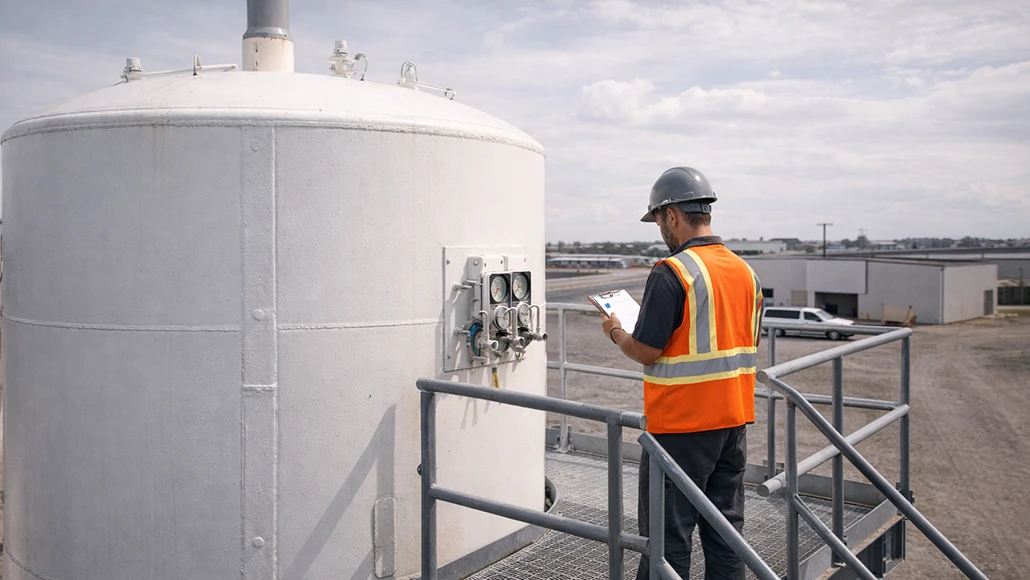
The integration of hydrogen into the power system also provides a unique and powerful form of energy security through long-duration storage. Unlike the current electrical grid, which has very little “buffer” capacity beyond a few hours of battery storage, a system with large-scale hydrogen storage can withstand prolonged periods of low renewable generation. This ability to buffer the system for weeks or even months is a vital part of energy security hydrogen power systems. It provides a level of insurance against the “dark doldrums” of winter or unexpected disruptions in the supply of other fuels. In this sense, hydrogen acts as the “Strategic Petroleum Reserve” for the 21st century, replacing the oil tanks of the past with clean, molecular energy stored in underground salt caverns, depleted gas fields, or specialized surface vessels.
Policy Frameworks for a Secure and Orderly Transition
To realize the full security benefits of a hydrogen-integrated system, robust and consistent policy frameworks are required. Governments must provide the long-term certainty needed to attract the massive private investment required for hydrogen infrastructure. This includes not only direct subsidies for production but also the establishment of clear safety, technical, and environmental standards. A secure energy transition also requires the training of a new workforce capable of maintaining and protecting these complex systems. Education and professional development are, in themselves, components of energy security hydrogen power systems, as they ensure that the technical expertise needed to operate and troubleshoot a low-carbon grid remains within national borders, reducing reliance on foreign technical contractors.
Moreover, international diplomacy is evolving to include the creation of “hydrogen partnerships” and “energy corridors.” These agreements focus on the co-development of technology, the harmonization of certifications, and the establishment of secure trade routes for hydrogen and its derivatives. By building a network of trusted international partners, nations can ensure a steady flow of both technology and fuel. This collaborative approach to clean power security is essential for a world where energy systems are increasingly interconnected and interdependent. The goal is to move from a zero-sum game of fossil fuel competition to a more cooperative model based on the shared goals of decarbonisation, technological exchange, and systemic resilience.
The Role of Innovation in Enhancing Security
Continuous innovation is perhaps the ultimate guarantor of energy security hydrogen power systems. Research into “earth-abundant” catalysts for electrolysis can reduce the reliance on rare minerals like iridium, thereby de-risking the supply chain. Similarly, advancements in leak detection and pipeline materials can enhance the physical security of the hydrogen network. Digital innovation, particularly in the field of cybersecurity for industrial control systems, is equally vital. As the power system becomes more “software-defined,” the ability to protect the code that manages the flow of hydrogen and electricity becomes as important as the ability to protect the physical pipes and wires.
As we look to the future, the integration of hydrogen into the power sector offers a path toward a more autonomous, secure, and sustainable energy landscape. The challenges are real from supply chain vulnerabilities to the need for massive infrastructure investment but the rewards are substantial. By focusing on domestic production, supply chain diversification, and system resilience, nations can build energy security hydrogen power systems that are fit for the challenges of the 21st century. In this new era, energy security is not just about keeping the lights on; it is about doing so in a way that is sustainable, independent, and resilient to the myriad uncertainties of a rapidly changing world. The hydrogen economy represents the next chapter in the history of human energy use, one where security is found in innovation and collaboration rather than in the extraction of finite resources.