














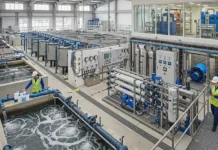


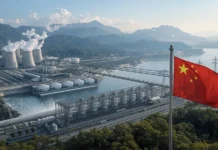
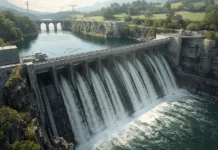










In many industrial sites, water and energy are managed by different teams, measured in different systems, and optimised with different priorities. Yet on the plant floor, they are inseparable. Water is pumped, heated, cooled, treated, purified, and discharged each step consuming energy. Energy production and use, in turn, depend on water for cooling, steam generation, cleaning, and process chemistry. When either resource becomes constrained, the other often becomes more expensive or less reliable. This tight coupling is known as the water energy nexus, and in power intensive processes it can quietly determine whether a plant runs smoothly or struggles with cost, compliance, and operational risk.
The key phrase industrial water energy nexus power processes reflects a growing recognition that resource efficiency is not a side project. It is a strategic capability. Facilities that understand and manage the nexus can reduce total consumption, improve resilience during droughts or supply disruptions, and strengthen sustainability performance without compromising production.
Why Water and Energy Interlock So Strongly in Industry
The link between water and energy is both physical and economic. Physically, moving water requires pumping, which consumes electricity. Heating water for cleaning or reactions consumes fuel or electric power. Cooling hot processes usually relies on water-based systems cooling towers, once-through cooling, chilled water networks. Treating water to meet process specifications or discharge limits uses energy in filtration, aeration, chemical dosing, and sludge handling.
Economically, water costs are rising in many regions due to scarcity and tighter regulation. Energy costs are also volatile. When water becomes scarce, plants may need to use more energy to treat lower-quality sources, recirculate water more aggressively, or rely on energy-intensive technologies such as reverse osmosis. Conversely, when energy costs rise, the “hidden energy” in water systems becomes too expensive to ignore.
For energy intensive industries, these interactions create a powerful opportunity: optimising water systems can deliver meaningful energy savings, and optimising energy systems can reduce water demand.
Where the Nexus Shows Up in Power Intensive Processes
The nexus is not abstract; it appears in specific equipment and decisions.
Steam Systems
Steam is central to many industrial power processes. Producing steam requires treated boiler feedwater, blowdown management, and condensate recovery. Poor condensate return increases both water and energy consumption. Excessive blowdown wastes heat and increases treatment needs. Improving steam trap maintenance, condensate recovery, and boiler control can therefore deliver a double benefit.
Cooling and Heat Rejection
Cooling towers are among the most visible nexus assets. They use water through evaporation and blowdown, and they use energy through fans and pumps. Water chemistry influences scaling and biological growth, which affects heat transfer and therefore energy demand. Better cooling tower control optimising cycles of concentration, fan speeds, and condenser approach temperatures reduces both water and power consumption.
Water Treatment and Wastewater
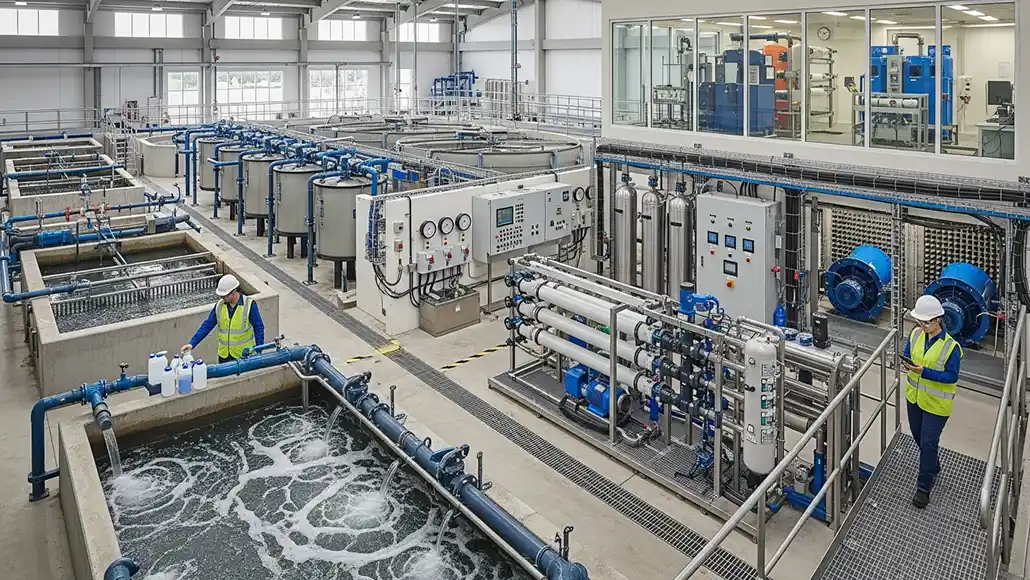
Treating water and wastewater can be energy intensive, particularly in aeration-driven biological treatment. Poor upstream control can drive unnecessary load into treatment systems, increasing energy use and chemical consumption. Conversely, better segregation of waste streams and recovery of valuable materials can reduce treatment energy while improving compliance.
Cleaning, CIP and Process Hygiene
Many plants use hot water and chemicals for cleaning in place. Over-cleaning wastes both water and energy, while under-cleaning risks quality and safety. Optimising cleaning cycles with better sensors and data conductivity, turbidity, temperature can reduce resource use without compromising standards.
A Resource Efficiency Mindset: Measure the Right Things
Nexus management starts with measurement. Many plants measure total water intake and total electricity consumption, yet lack visibility at the system level: how much water is used by the cooling tower, how much is lost to leaks, how much energy is used per cubic metre treated.
Effective programs establish key performance indicators that link water and energy, such as kilowatt-hours per cubic metre of water treated, steam produced per unit of make-up water, or cooling efficiency per unit of evaporative loss. These KPIs translate sustainability into operational language.
Digital tools can help by integrating water flow metering, utility monitoring, and process data, turning the nexus into a managed system rather than an assumption.
Strategies That Improve Both Water and Energy Performance
Some improvements deliver dual benefits almost by design.
One example is heat recovery. Capturing waste heat to preheat boiler feedwater reduces fuel use and can reduce thermal shock in treatment systems. Another is improving heat exchanger cleanliness. Fouled exchangers increase cooling demand, driving higher water circulation and fan power. Cleaning and monitoring can therefore reduce both water and energy.
Process integration is also powerful. Reusing relatively clean water streams for lower-grade applications reduces intake and treatment. But reuse must be designed carefully to prevent contamination, scaling, or corrosion that could increase energy use. The best reuse programs pair water quality monitoring with clear “fit for purpose” standards.
Risk and Resilience: The Nexus as an Operational Exposure
The industrial water energy nexus is not only about efficiency; it is about risk. Water scarcity can constrain production, trigger regulatory actions, or force expensive temporary measures. Energy interruptions can disrupt pumping and treatment, leading to compliance issues or product losses.
Facilities can improve resilience through redundancy, storage, and flexible sourcing. On-site water storage can buffer supply interruptions. Alternative sources such as reclaimed water can reduce exposure to municipal limitations. Energy resilience backup power for critical pumps and treatment units prevents cascading failures during outages.
For power intensive processes, resilience planning should treat water and energy as a combined system. A backup generator that keeps critical production running is less useful if water supply or treatment cannot keep up.
Decarbonisation and Water: Avoiding Unintended Consequences
Decarbonisation strategies can change water demand. Some electrification measures reduce water use by lowering steam reliance, while others may increase water demand if cooling loads rise. Hydrogen production pathways differ in water intensity; electrolysis requires water, and some cooling and purification steps add additional demand. Carbon capture systems can increase water use in cooling and solvent management.
This is why integrated planning matters. Plants should evaluate decarbonisation projects not only for emissions impact, but also for water implications. In water-stressed regions, a low-carbon project that increases water demand may face social and regulatory resistance.
Practical Steps for Industrial Leaders
A workable approach begins with a nexus audit: map water flows, energy flows, and where they intersect. Identify the largest users and the largest losses. Prioritise improvements that reduce both resources first, such as steam system optimisation, cooling tower control, leak reduction, and targeted heat recovery.
Then move toward deeper changes: water reuse projects, advanced treatment upgrades, and process redesign where necessary. Throughout, build the capability to monitor performance so gains are sustained.
The cultural element is important. Nexus management works best when water and energy teams collaborate rather than compete. Shared KPIs and joint review routines help align priorities.
Sustainable Operations in a Constrained World
As climate variability increases and regulations tighten, the water energy nexus will become a more visible determinant of industrial performance. The plants that treat water as “free” and energy as “fixed” will face rising costs and growing risk. Those that treat both as strategic resources will be more agile.
Industrial water energy nexus power processes is therefore a concept with immediate operational value. It encourages plants to see hidden consumption, to reduce waste at the system level, and to design sustainability measures that improve reliability rather than threaten it. In power intensive processes, that combination efficiency plus resilience is what turns sustainability from a report into an operational advantage.