






















The global shift toward a net-zero economy is often framed as a process of creative destruction, where the old must be swept away to make room for the new. However, a more pragmatic and economically efficient approach is emerging: the practice of repurposing power infrastructure low carbon energy networks. This strategy recognizes that the thousands of miles of existing pipelines, transmission lines, and industrial sites represent an immense sunk cost and a valuable physical resource. Rather than abandoning these assets as stranded liabilities, forward-thinking energy companies and policymakers are looking for ways to adapt them for the transport of hydrogen, the sequestration of carbon dioxide, and the support of a modernized, flexible electrical grid. This transformation is a critical component of the broader energy infrastructure transition, offering a faster and more cost-effective pathway to decarbonisation than building entirely from scratch.
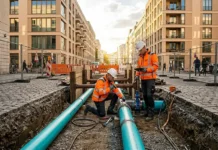
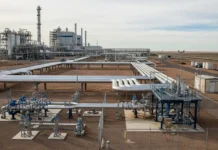
One of the most promising avenues for asset transformation is the conversion of existing natural gas pipelines into hydrogen pipelines. Hydrogen is a much smaller molecule than methane and can cause embrittlement in certain types of steel, necessitating careful technical assessments and potential retrofitting. However, the cost of repurposing an existing pipeline is typically only a fraction of the cost of laying a new one, particularly in densely populated or environmentally sensitive areas where permitting can take decades. By repurposing power infrastructure low carbon systems, nations can jumpstart the “hydrogen backbone” necessary to connect remote renewable energy production sites with industrial consumers. This molecular energy network is the essential partner to the electrical grid, providing the long-duration energy storage and high-grade heat that electricity alone cannot deliver.
Strategic Adaptation of Grid and Thermal Assets
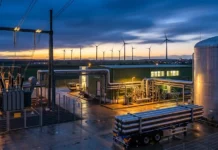
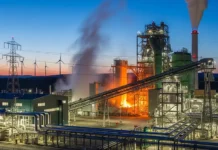
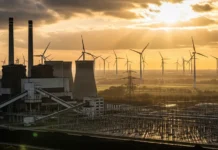
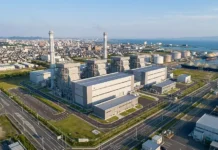
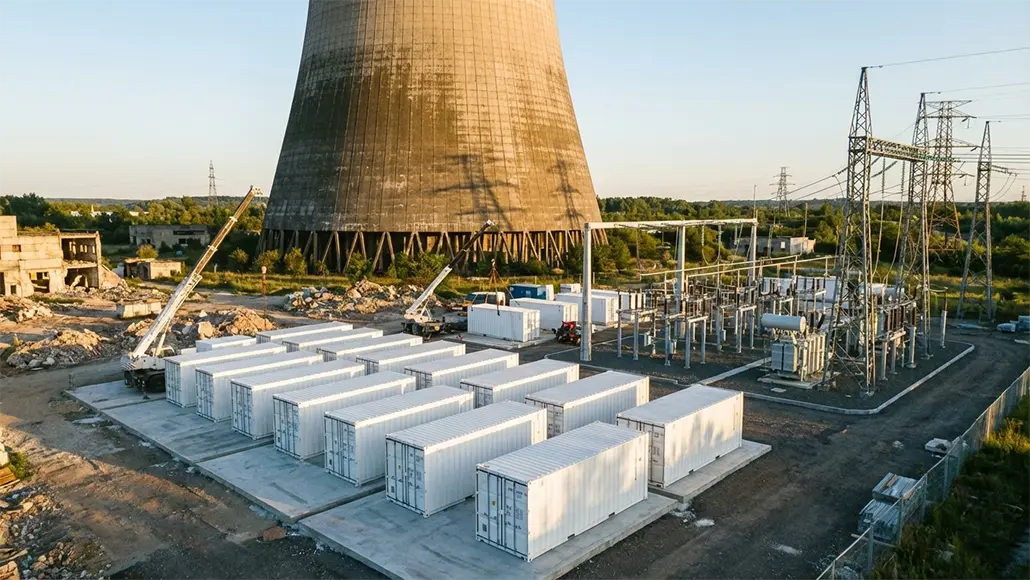
Beyond pipelines, the sites of decommissioned thermal power plants offer prime opportunities for grid modernisation and the deployment of new low carbon energy systems. These locations are already equipped with heavy-duty electrical connections, cooling water access, and existing transportation links. Instead of letting these sites fall into disrepair, they are being transformed into hubs for large-scale battery storage, synchronous condensers for grid stability, or even small modular nuclear reactors. Repurposing power infrastructure low carbon in this way preserves the value of the grid connection which is often the most scarce and expensive component of a new energy project. By maintaining these strategic nodes, grid operators can more easily integrate high levels of offshore wind and solar while ensuring that the system remains resilient to fluctuations in supply and demand.
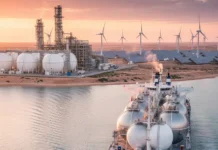
The repurposing of existing industrial infrastructure also extends to the development of carbon transport networks. Depleted oil and gas reservoirs, which were once the source of carbon emissions, can be repurposed as permanent sequestration sites. The same offshore platforms and subsea pipelines that once extracted hydrocarbons can be engineered to pump captured CO2 back into the earth. This circular approach to infrastructure management is a key tenet of the power asset transformation movement. It not only reduces the capital intensity of carbon capture projects but also utilizes the deep geological expertise of the existing workforce, ensuring that the skills developed in the fossil fuel era are not lost but are instead applied to the task of atmospheric restoration.
Technical Challenges and Engineering Solutions
The process of repurposing power infrastructure low carbon is not without its technical hurdles. As mentioned, the transition to hydrogen requires the replacement of seals, compressors, and certain valve components to handle the unique physical properties of the gas. Similarly, transporting CO2 in a “dense phase” (liquid-like state) requires high pressures that existing pipelines may not have been designed to withstand over the long term. Engineering firms are currently developing advanced internal liners and composite materials that can be used to “sleeve” existing pipes, effectively creating a new pipeline within the old one. These innovative solutions are the bedrock of a successful energy infrastructure transition, allowing for the reuse of the “right of way” and physical footprint of the legacy network while meeting modern safety and performance standards.
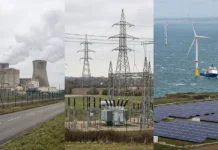
In the realm of electrical transmission, the practice of “re-conductoring” replacing old wires with advanced composite-core conductors allows existing towers to carry significantly more power. This is a form of repurposing power infrastructure low carbon that addresses the bottleneck of grid congestion without the need for new land acquisition or extensive environmental reviews. As we move toward a more electrified society, the ability to squeeze more capacity out of our existing wires is essential for connecting remote wind farms to urban centers. This grid modernisation strategy is often invisible to the public, yet it is one of the most effective tools we have for accelerating the deployment of renewable energy.
Economic and Environmental Benefits of Reuse
The economic rationale for repurposing power infrastructure low carbon is compelling. By avoiding the need for new land acquisition and reducing the volume of new materials required such as steel, concrete, and copper repurposing significantly lowers the “embedded carbon” of the energy transition. This lifecycle perspective is becoming increasingly important as we account for the environmental cost of the transition itself. Furthermore, the speed of deployment is a major advantage. In many jurisdictions, the time required to permit and build a new high-voltage transmission line or a cross-country pipeline can exceed fifteen years. Repurposing existing assets, which already have the necessary permits and social acceptance, can cut this timeline in half, allowing us to meet urgent climate targets that would otherwise be out of reach.
Moreover, the power asset transformation provides a lifeline to communities that have historically depended on the fossil fuel industry. By repurposing a coal plant into a hydrogen production hub or a battery storage facility, we can preserve local jobs and tax revenues. This “just transition” is not just a social imperative but a political one, as it ensures that the regions most affected by the move away from carbon remain stakeholders in the new energy economy. The successful integration of legacy assets into low carbon energy systems is therefore a win-win scenario, providing economic stability while driving environmental progress.
As we look toward the middle of the century, the energy landscape will be a hybrid of the old and the new. We will see hydrogen flowing through the veins of the old gas network, and carbon being returned to the depths of the earth through repurposed wells. The legacy of the industrial age will not be a burden of stranded assets, but a foundation for a sustainable future. By masterfully repurposing power infrastructure low carbon energy networks, we can bridge the gap between our high-carbon past and our net-zero future. The ingenuity of the energy infrastructure transition lies in our ability to see the potential in what we already have, turning the monuments of the fossil fuel era into the engines of a clean energy revolution.