




























The Abu Dhabi Department of Energy (DoE) has introduced a solar energy self-supply policy for the emirate of Abu Dhabi, marking a new regulatory framework for customer participation in electricity generation and consumption.
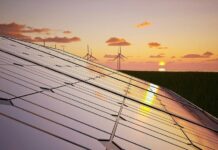
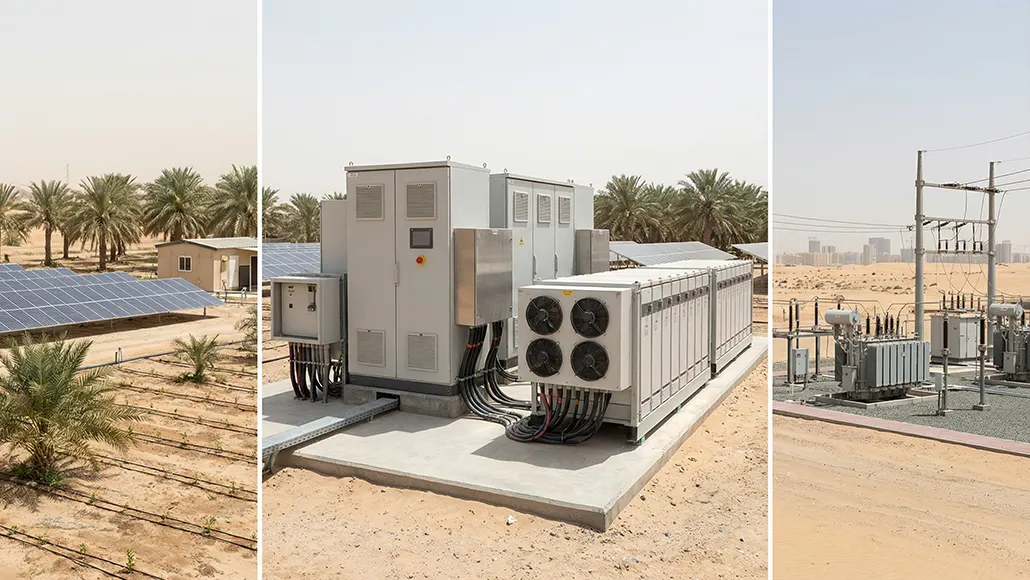
Under the solar energy self-supply policy, customers across the UAE capital are given the choice to continue relying on electricity supplied through the grid or to shift toward flexible energy solutions. These options include installing solar systems for self-consumption, either with or without battery storage systems, as well as adopting solar-powered water heaters. The approach is designed to broaden the range of energy choices available to consumers while supporting the wider transition toward cleaner energy use.
The initial phase of the policy is focused on the agricultural sector. According to a LinkedIn post published by the department, agriculture is identified as one of the most electricity-dependent sectors in the emirate. The post states that consumers can now apply for licenses to install solar panels, generate electricity, and store it in on-site batteries through Abu Dhabi’s central information portal, TAMM.
Further details outlined in a policy document issued by the department explain that the initiative is intended to reshape electricity consumption patterns so they better align with periods of abundant, clean, and cost-competitive power generation. The document notes that the policy seeks to reduce net grid demand by promoting distributed energy solutions. While utility-scale solar and storage projects will continue to be developed through coordinated system planning and procurement, the department emphasizes that achieving the full potential of a solar-led supply mix depends on the active involvement of both the distribution network and end-consumers in system optimization.
“In this context, customers should have a clear and structured pathway to choose how they participate whether by investing in self-supply through distributed photovoltaics (DPV), combining DPV with customer-sited battery storage, or through optimized load management,” the document explains.
Mohammed Al Obaidli, Director General of Regulatory Affairs at the Abu Dhabi Department of Energy, said the policy will allow the local community to play a meaningful role in meeting the objectives of the Abu Dhabi Energy and Water Efficiency Strategy 2030. The strategy targets a 22% reduction in electricity consumption and a 32% reduction in water usage by the end of the decade, measured against a 2013 baseline.
The Department of Energy also stated that it will release detailed guidelines outlining the implementation mechanisms, technical requirements, commercial arrangements, and administrative procedures needed to operationalize the policy. These guidelines will include binding provisions related to metering, settlement, and application and approval processes.
In parallel, the department plans to introduce a guidance manual on high-efficiency appliances aimed at improving energy-use practices across households, businesses, and institutions. The manual will cover cooling, water heating, lighting, electrical equipment, motors, pumps, and irrigation systems, and will provide consumers with a framework for purchasing and operating energy-efficient appliances based on performance metrics and life-cycle cost analysis.