

















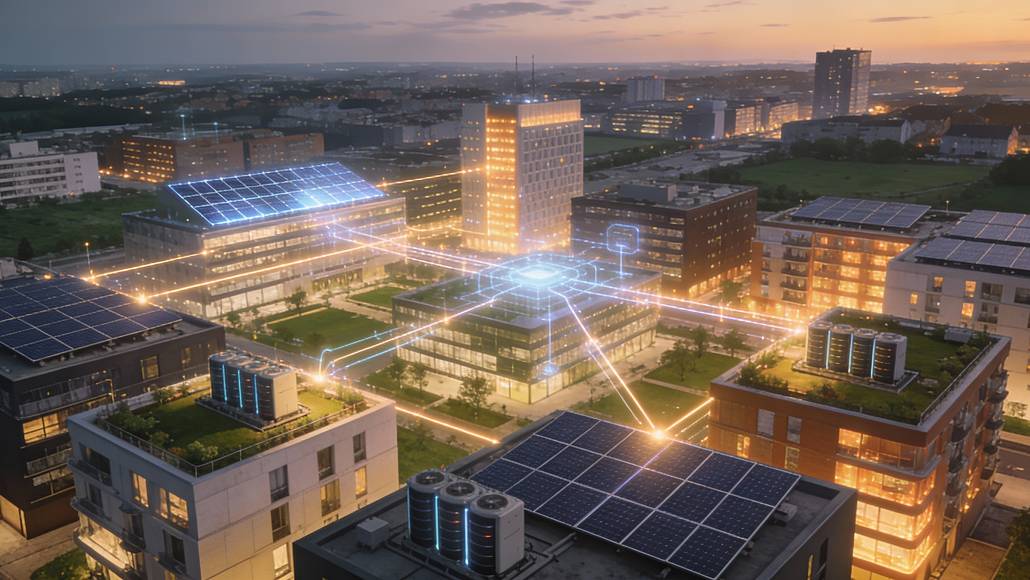

The global energy system stands at an inflection point. For over a century, electricity infrastructure followed a centralized model where large power plants generated electricity that flowed downward through transmission and distribution networks to passive consumers. This architecture served its purpose during an era of stable, predictable demand and conventional generation sources. Today, as renewable energy penetration accelerates and buildings account for roughly 30 percent of global final energy consumption and 27 percent of energy-related CO₂ emissions, a fundamentally different paradigm is emerging. Buildings are no longer merely end-use loads consuming grid electricity. They are transforming into active participants in power system operations—functioning as intelligent, localized energy systems capable of generating, storing, and optimizing electricity for their own use and the broader grid.
The Shift from Consumers to Producers
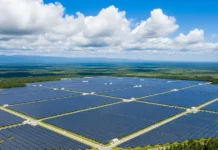
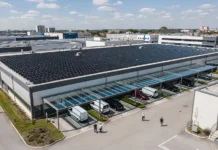
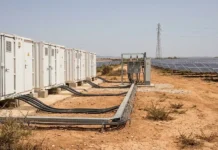
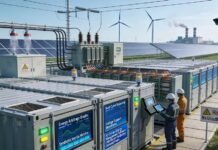
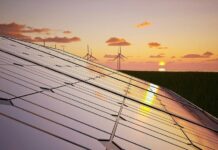
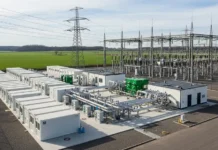
The architecture of decentralized energy systems in buildings rests on three interconnected technologies. First, on-site renewable generation, predominantly rooftop solar photovoltaic arrays, has become economically viable across most geographic markets. Solar installation costs have fallen nearly 90 percent over the past decade, making distributed solar the fastest-growing electricity source globally. Second, battery energy storage systems—primarily lithium-ion batteries but increasingly incorporating alternative technologies—enable temporal arbitrage by storing excess renewable generation for use during grid peak demand periods or when on-site generation is unavailable. Third, intelligent energy management systems powered by advanced software platforms coordinate these assets alongside building loads, thermal systems, and grid interactions in real time.
The integration of these technologies enables buildings to operate with multiple objectives simultaneously. From an economic perspective, decentralized energy systems minimize electricity procurement costs by shifting consumption toward periods of low wholesale prices, reducing demand charges through load management, and generating revenue through participation in energy markets. From a resilience standpoint, on-site generation and storage provide backup power during grid outages, protecting critical operations and essential loads. From an environmental perspective, buildings equipped with distributed renewables substantially reduce their carbon footprint, particularly as electricity grids continue decarbonizing.
Recent deployment data underscores this transition. Among commercial buildings in major portfolios, on-site renewable energy generation has increased tenfold over the past decade, with the number of buildings deploying renewable systems climbing from less than 0.5 percent to approximately 1 percent of all commercial properties. While this penetration rate may appear modest, the accelerating deployment trajectory reflects the combination of declining technology costs, increasingly supportive policy frameworks, and growing recognition among building owners of both financial and operational benefits.
Buildings as Nodes in Decentralized Power Networks
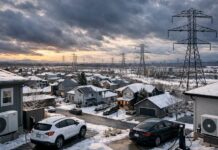
When viewed collectively, buildings equipped with distributed energy resources function as decentralized nodes within a broader power network—a configuration fundamentally different from traditional utility grids. In a distributed energy model, individual buildings or clusters of connected buildings operate semi-autonomously while remaining grid-connected, capable of islanding during grid disturbances and seamlessly reconnecting when grid conditions stabilize.
This decentralized architecture offers substantial advantages for grid operation and reliability. Traditional centralized power systems rely on a delicate balance between generation and demand; any mismatch creates frequency deviations that must be corrected through rapidly dispatched reserves. The greater the geographic concentration of generation, the more vulnerable the system becomes to localized disruptions. Decentralized systems with generation distributed across thousands of locations introduce natural redundancy. If one or several buildings experience equipment failures or generation outages, neighboring nodes compensate, distributing the impact across multiple participants rather than concentrating it within a single point of failure.
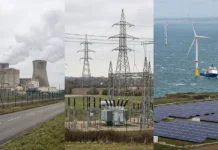
The geographic distribution of decentralized assets also addresses transmission infrastructure constraints. Centralized power plants require high-capacity transmission corridors to move large blocks of power from generation centers to consumption areas, often spanning hundreds of kilometers. These transmission networks represent enormous capital investments and operate with inherent inefficiencies. In contrast, decentralized generation located within or adjacent to consumption centers dramatically reduces the distance electricity must travel, lowering transmission losses that typically range from 3 to 7 percent of transmitted power. Over national electricity systems, transmission loss reduction alone represents billions of dollars in avoided generation capacity requirements.
Furthermore, decentralized systems provide natural hedging against fuel price volatility and supply disruptions. When generation is distributed across numerous buildings utilizing renewable energy sources, the power system becomes less vulnerable to disruptions of specific fuel supply chains or sudden price increases for particular generation technologies. This geographic and technological diversity strengthens energy security and system resilience.
Intelligent Energy Management at Building Scale
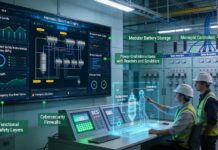
The technical capability to implement decentralized energy systems depends entirely on sophisticated digital energy management platforms. These systems continuously process data from multiple sources—rooftop solar irradiance sensors, outdoor temperature monitors, occupancy patterns, real-time electricity prices, weather forecasts, and grid-provided signals—to optimize building operations across multiple competing objectives.
Real-time optimization algorithms dynamically adjust battery charging and discharging cycles based on forecasted solar generation and predicted building demand. During midday when solar output peaks but occupancy-driven electrical demand remains moderate, the system automatically directs excess generation to battery storage, avoiding the inefficiency of exporting power to the grid at low wholesale prices. As evening approaches and solar generation declines coincident with rising occupancy and heating/cooling loads, the system strategically discharges stored energy to satisfy peak demand periods, simultaneously reducing the building’s reliance on grid electricity and limiting its contribution to system peak demand.
Beyond simple temporal shifting, advanced energy management systems incorporate predictive analytics to anticipate demand patterns weeks or months ahead. Machine learning algorithms trained on historical occupancy data, seasonal heating/cooling patterns, and weather correlations generate probabilistic forecasts of future building electricity demand. These forecasts inform decisions about battery sizing, renewable generation capacity, and contractual commitments to provide grid services. A building facing a month of typically overcast weather might modify its operational strategy to preserve battery energy reserves rather than depleting them for daytime demand satisfaction.
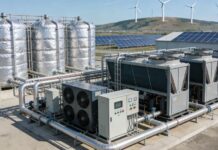
Thermal systems represent another critical integration point for intelligent building energy management. Modern buildings increasingly employ thermal storage technologies—chilled water tanks for cooling, hot water tanks for heating, or phase-change materials embedded in building structures—that effectively shift thermal loads across hours or even days. An energy management system can precool a building during periods of low electricity prices or high renewable generation, storing thermal energy in the building’s mass or dedicated storage systems. During subsequent high-price periods or when renewable generation is unavailable, the building satisfies heating/cooling needs through the stored thermal energy, dramatically reducing instantaneous electricity demand.
Grid Services and Market Participation
Decentralized energy systems enable buildings to participate in wholesale electricity markets and provide ancillary services previously supplied exclusively by conventional power plants. Frequency regulation, one of the most valuable grid services, requires generation or demand resources to automatically adjust their output or consumption within seconds in response to grid frequency deviations. Traditionally, only rapidly ramping fossil fuel plants could provide this service. Modern buildings with responsive battery systems and smart controls can now provide frequency regulation services, generating substantial revenue while simultaneously supporting grid stability.
Building aggregators—entities that coordinate energy management across portfolios of dozens or hundreds of buildings—can bid decentralized energy capacity into electricity markets as virtual power plants. A virtual power plant operator might manage 500 buildings with distributed solar and battery systems, collectively representing 50 megawatts of controllable capacity and 100 megawatt-hours of energy storage. From the grid’s perspective, this aggregated portfolio functions identically to a conventional 50-megawatt power plant, capable of rapidly adjusting output in response to grid operators’ dispatch signals. However, the virtual power plant offers distinct advantages: its geographic distribution provides inherent redundancy, its marginal operating costs approach zero given renewable sources, and its participation does not produce the emissions associated with conventional generation.
The economic model for market participation varies by jurisdiction and market structure. In regions with competitive wholesale markets and ancillary service markets, buildings might generate revenue through multiple channels: energy sales when generation exceeds consumption, capacity payments for maintaining available flexibility, and ancillary service revenue for providing frequency regulation or other grid support. Even in regulated utility markets without wholesale market opportunities, decentralized systems reduce residential and commercial electricity bills through lowered consumption and reduced demand charges.
Challenges and Integration Requirements
Despite the compelling advantages of decentralized energy systems, substantial challenges remain in achieving widespread deployment and seamless integration with existing electricity infrastructure. Utility interconnection processes often present significant technical and bureaucratic barriers. In many jurisdictions, interconnection applications for rooftop solar systems face protracted review periods, restrictive capacity limits per distribution feeder, and requirements for expensive protective equipment designed for an era when buildings never exported power to the grid.
Technical barriers include the management of voltage fluctuations and harmonics created by distributed generation, protection of distribution systems designed for one-directional power flow, and coordination challenges among thousands of distributed resources. The current state of grid monitoring infrastructure in many regions is inadequate for managing large populations of distributed resources. While distribution feeders typically contain dozens of voltage sensors and current meters, the future power system will require thousands of strategically placed sensors providing real-time data on voltage, frequency, power quality, and fault conditions.
Financial barriers persist despite declining technology costs. The upfront capital investment required for complete building decentralization—combining solar generation systems, battery storage, sophisticated controls, and integration with existing building systems—can reach tens of thousands of dollars per building. For many building owners, particularly in the residential sector, this capital requirement exceeds readily available financing, despite attractive long-term returns.
Regulatory frameworks have not uniformly adapted to decentralized energy systems. Net metering policies, which credit building owners for excess generation exported to the grid, vary dramatically across regions and face increasing pressure from utilities concerned about revenue erosion. Many regulatory regimes were designed for centralized generation and do not accommodate model in which thousands of small generators interact with distribution systems. Forward-thinking regulators are developing updated frameworks that appropriately compensate decentralized resources for the multiple services they provide while ensuring fair cost allocation among all grid users.
Future Evolution of Decentralized Power Systems
The trajectory of decentralized energy systems in buildings points toward a fundamentally restructured electricity infrastructure. The continuing decline in renewable generation and storage costs will accelerate building-scale deployment. Simultaneously, advances in digital control technologies, artificial intelligence, and communication infrastructure will enable increasingly sophisticated energy orchestration across portfolios of interconnected buildings.
The concept of energy communities—groups of buildings, possibly including commercial, industrial, and residential properties, that collectively manage their energy resources for mutual benefit—represents an emerging paradigm for decentralized systems. Energy communities can achieve greater efficiency and flexibility than isolated building systems while maintaining the resilience benefits of distributed architecture. A community might include an office building with abundant rooftop solar, a residential complex with flexible thermal loads, an industrial facility with process thermal needs, and a municipal facility with battery storage. By coordinating their energy resources through a community energy management platform, these diverse participants can optimize overall community energy economics while providing grid services far exceeding what individual buildings could achieve alone.
Vehicle-to-building integration will add another dimension to decentralized systems. As electric vehicle adoption accelerates, the batteries in millions of vehicles represent enormous distributed energy storage resources. A building with a parking structure containing dozens or hundreds of electric vehicles could leverage those vehicle batteries for storage services during times when vehicles are parked. This bidirectional capability dramatically expands the energy flexibility available to building-scale energy systems while providing vehicle owners additional economic benefits from their battery assets.
Buildings as Active Grid Participants
The evolution of buildings from passive energy consumers into active decentralized energy systems represents one of the most significant transformations in electricity infrastructure since electrification began more than a century ago. By combining on-site renewable generation, intelligent battery storage, and sophisticated digital controls, modern buildings are becoming nodes in a distributed power network that offers superior reliability, efficiency, and environmental performance compared to traditional centralized systems.
This transition does not occur automatically through technological advancement alone. It requires supportive regulatory frameworks that appropriately compensate decentralized resources, interconnection standards that facilitate rather than obstruct building participation in power markets, and continued cost reductions in renewable and storage technologies. It also requires building owners and operators to overcome traditional mindsets viewing buildings as fixed infrastructure separate from energy systems.
However, the convergence of technological capability, economic incentives, climate imperatives, and evolving grid challenges makes the transformation of buildings into decentralized energy systems increasingly inevitable. Over the coming two decades, buildings equipped with distributed generation, energy storage, and intelligent management systems will become the norm rather than the exception. The decentralized energy future is not a distant possibility—it is already emerging in progressive markets and accelerating globally. Buildings are becoming the power plants of the twenty-first century.