












Close
MCE 2026
World Hydrogen & Carbon Americas

Japan Identifies Two New Zones for Offshore Wind Development

Note* - All images used are for editorial and illustrative purposes only and may not originate from the original news provider or associated company.

Subscribe

- Never miss a story with notifications

- Gain full access to our premium content

- Browse free from any location or device.

Media Packs

Expand Your Reach With Our Customized Solutions Empowering Your Campaigns To Maximize Your Reach & Drive Real Results!

– Access the Media Pack Now

– Book a Conference Call

Leave Message for Us to Get Back

Related stories

Hybrid Power Systems Combining Renewables Hydrogen and Dispatchable Generation

In-depth analysis of hybrid power system architecture integrating renewables, hydrogen storage and dispatchable generation to manage intermittency, enhance grid stability and achieve long-term decarbonisation targets.

Carbon Utilisation Pathways Creating New Value for Power Producers

Exploration of how captured carbon emissions are transformed into commercially viable products, from synthetic fuels to industrial feedstocks, improving project economics for power producers through carbon utilisation strategies.

Integrating Renewable Energy into Large-Scale Hydrogen Production

Examination of how solar, wind and hydro resources are integrated into large-scale hydrogen production, with focus on intermittency, optimisation and grid vs off-grid models.
- Advertisement -

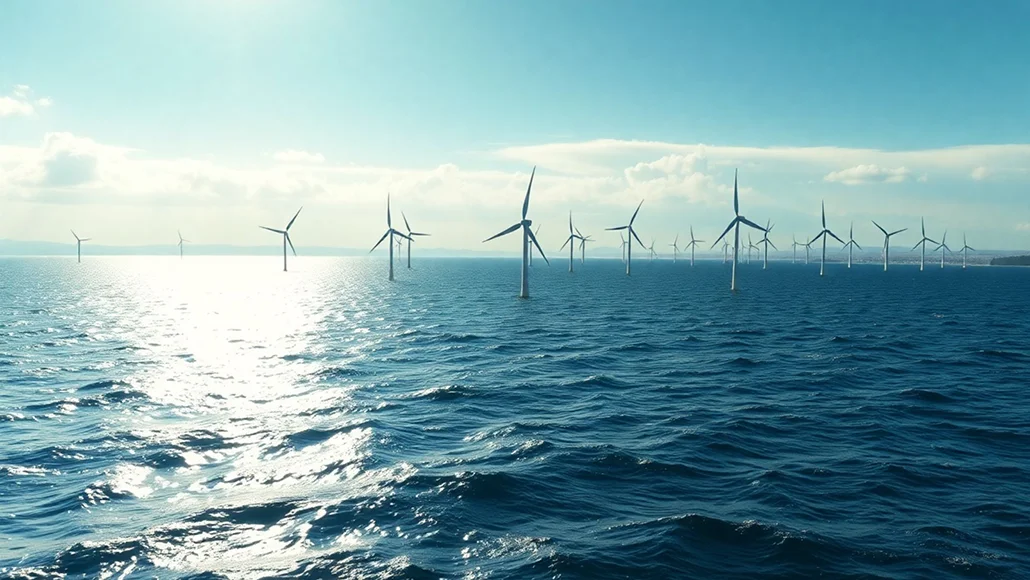
Japan has identified waters off Akita City and Hibikinada as new “promising zones” for offshore wind projects in a renewed effort to accelerate clean energy development and bolster national energy security. The move follows recent challenges in the country’s offshore wind development programme, including the withdrawal of a Mitsubishi Corp.-led consortium from its first large-scale wind auction.

The government’s decision is part of a broader push to restore investor confidence after setbacks that slowed progress in its flagship renewable energy initiative. By designating Akita City in the north and Hibikinada near Fukuoka in the south as priority sites, Tokyo aims to reinvigorate renewable energy investment and advance its goal of achieving carbon neutrality by 2050.

Under Japan’s offshore wind regulatory process, areas advance through three stages, from “preparatory” to “promising” and ultimately “promotion zones,” where auctions and full-scale construction begin. In addition to the newly announced zones, officials named three other “preparatory zones”: off Asahi City in Chiba Prefecture, near Goto Island in Nagasaki, where floating turbines are under review, and off Ichikikushikino City in Kagoshima. The government also plans to conduct joint environmental and site surveys with local authorities in Akita, Asahi, and Hibikinada to streamline approvals through a new centralised process.

Offshore wind power remains a cornerstone of Japan’s renewable policy, but developers still need to overcome such challenges as high project cost, complex licensing regimes, and grid constraints. The government is reviewing its auction design and is contemplating financial incentives to increase the stability of investment and minimize risk.

Despite the recent setbacks, officials remain optimistic about Japan’s vast potential for offshore winds, especially along coastal areas in northern and southern regions with rich wind resources. The new nomenclature reinforces Tokyo’s pledge to stay committed to offshore wind development while streamlining policies to construct a stronger and more sustainable energy environment.

Latest stories

Related stories

Hybrid Power Systems Combining Renewables Hydrogen and Dispatchable Generation

In-depth analysis of hybrid power system architecture integrating renewables, hydrogen storage and dispatchable generation to manage intermittency, enhance grid stability and achieve long-term decarbonisation targets.

Carbon Utilisation Pathways Creating New Value for Power Producers

Exploration of how captured carbon emissions are transformed into commercially viable products, from synthetic fuels to industrial feedstocks, improving project economics for power producers through carbon utilisation strategies.

Integrating Renewable Energy into Large-Scale Hydrogen Production

Examination of how solar, wind and hydro resources are integrated into large-scale hydrogen production, with focus on intermittency, optimisation and grid vs off-grid models.

Electrolysis Technologies Advancing the Future of Clean Power

Comparative analysis of alkaline, PEM and solid oxide electrolysers, their efficiency, cost trajectories and implications for renewable-driven hydrogen and clean power.

Subscribe

- Never miss a story with notifications

- Gain full access to our premium content

- Browse free from any location or device.

Media Packs

Expand Your Reach With Our Customized Solutions Empowering Your Campaigns To Maximize Your Reach & Drive Real Results!

– Access the Media Pack Now

– Book a Conference Call

Leave Message for Us to Get Back

Translate »