




















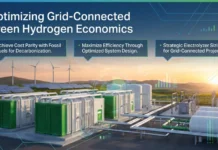


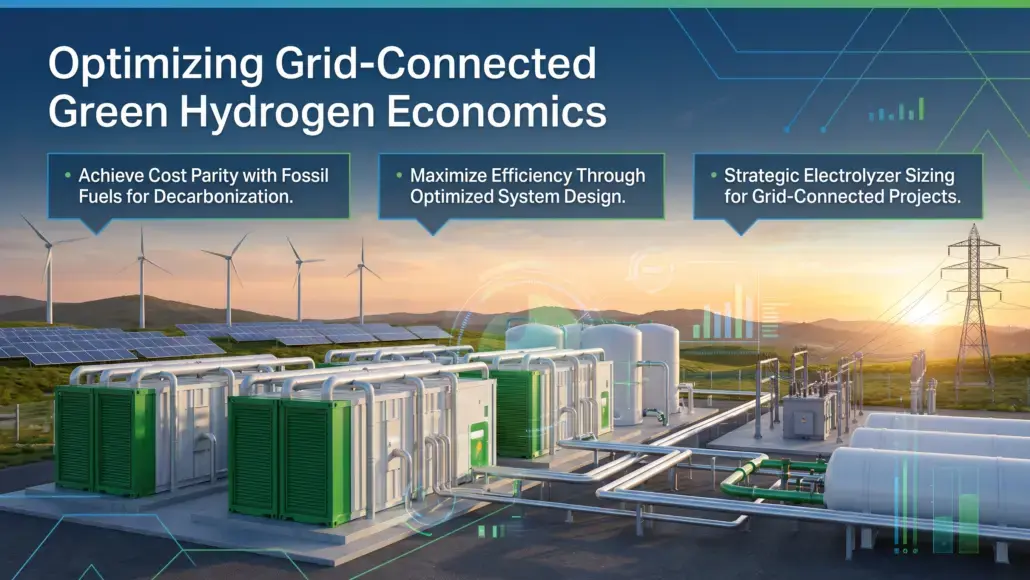

The transition to a decarbonized power generation system relies heavily on the ability to produce green hydrogen at a cost that is competitive with fossil fuels. A primary factor in achieving this competitiveness is the optimization of system design, specifically how renewable hydrogen electrolyzer sizing improving grid-connected h2 project economics can be utilized to maximize efficiency. When hydrogen production units are connected to the electrical grid, the sizing of the electrolyzer stack relative to the available renewable energy supply and grid capacity becomes a complex balancing act. Properly sized systems ensure that the plant can capitalize on low electricity prices during periods of high renewable generation while avoiding the high capital costs associated with oversized infrastructure.
Grid-connected electrolysis offers the advantage of higher capacity factors compared to isolated systems that rely solely on behind-the-meter wind or solar. By pulling power from the grid when renewable output is low, an electrolyzer can maintain a steady production rate, which is often a requirement for downstream industrial users or hydrogen-fired power turbines. However, the economics of this approach are highly sensitive to the price of electricity and the associated grid fees. Therefore, the strategic sizing of the electrolyzer must take into account the local grid regulations and the availability of renewable energy certificates to ensure the hydrogen produced is truly low-carbon.
Balancing Electrolyzer Capacity with Renewable Intermittency
One of the most significant challenges in sizing an electrolyzer for a renewable energy project is the inherent variability of wind and solar power. If the electrolyzer is sized exactly to the peak output of a solar array, it will spend much of its time operating at partial load, leading to a low capacity factor and a high levelized cost of hydrogen. Conversely, if the electrolyzer is too small, a significant portion of the renewable energy must be curtailed or sold back to the grid at potentially low prices. The goal of renewable hydrogen electrolyzer sizing improving grid-connected h2 project economics is to find the sweet spot where the marginal cost of additional capacity equals the marginal benefit of increased hydrogen production.
Advanced modeling tools are now used to simulate thousands of hours of weather data and grid price fluctuations to determine the optimal ratio of renewable capacity to electrolyzer size. These models often suggest that over-sizing the renewable generation relative to the electrolyzer is beneficial, as it allows the plant to run at full capacity for more hours each year. In this scenario, the excess energy generated during peak hours can be sold to the grid, providing a secondary revenue stream that helps offset the capital expenditure of the electrolysis unit. This integrated approach to system design is essential for the financial viability of large-scale green hydrogen initiatives.
The choice of electrolysis technology also influences sizing decisions. Proton Exchange Membrane (PEM) electrolyzers are known for their ability to ramp up and down quickly, making them well-suited for following the fluctuations of renewable energy. Alkaline electrolyzers, while generally cheaper and more established, have traditionally been less flexible, although newer designs are closing this gap. The dynamic response of the system must be factored into the sizing calculations to ensure that the equipment can handle the rapid changes in power input without sustaining damage or excessive wear.
Optimizing Capacity Factors Through Grid-Connected Power Procurement
Connecting an electrolysis plant to the grid allows for a more consistent operation, which is critical for minimizing the cost of hydrogen. High capacity factors allow the fixed costs of the plant, such as the initial investment and maintenance, to be spread over a larger volume of hydrogen production. However, the cost of grid power can vary significantly depending on the time of day and the overall demand on the system. To optimize renewable hydrogen electrolyzer sizing improving grid-connected h2 project economics, operators must develop sophisticated procurement strategies that align their production schedule with periods of low-cost, low-carbon electricity.
In many jurisdictions, the grid can provide a stabilizing influence, offering a sink for excess renewable energy and a source of power when local generation is insufficient. Power purchase agreements (PPAs) for renewable energy can be structured to provide a blend of solar, wind, and potentially hydro power to the electrolyzer site. By diversifying the sources of renewable energy, the plant can achieve a smoother power profile, reducing the need for massive electrolyzer stacks that only run during specific weather conditions. This geographic and technological diversity is a key component of a resilient green hydrogen strategy.
The regulatory environment also plays a role in determining the economics of grid-connected electrolysis. Policies such as the additionality and temporal correlation requirements in the European Union mandate that green hydrogen must be produced using new renewable capacity and that the production must occur within the same time window as the renewable generation. These rules directly impact how an electrolyzer should be sized, as they limit the ability to use generic grid power to boost capacity factors. Engineers must carefully design the system to comply with these regulations while still achieving the lowest possible production cost.
The Role of Energy Storage in Mitigating Electrolyzer Ramping Constraints
Hydrogen storage serves as a buffer between the intermittent production process and the steady demand of the power generation sector. When renewable energy is abundant, the electrolyzer can run at maximum capacity, with the excess hydrogen being stored in salt caverns, pressurized tanks, or chemical carriers like ammonia. This storage capacity allows the electrolyzer to be sized more aggressively, as it provides a way to capture and value every kilogram of hydrogen produced. The integration of storage into the project design is a vital aspect of system optimization.
Beyond hydrogen storage, the use of battery energy storage systems (BESS) at the electrolysis site can help smooth the power input to the electrolyzer. Batteries can absorb rapid spikes in renewable generation that might exceed the capacity of the electrolyzer or the grid connection, and they can provide power during short lulls in wind or solar output. This ability to firm up the power supply allows for more consistent electrolyzer operation and can extend the life of the stack by reducing the frequency of rapid ramping events. The combination of electrolysis and battery storage represents a highly flexible asset for the modern power grid.
Thermal storage also offers potential benefits, particularly in high-temperature electrolysis systems like Solid Oxide Electrolyzer Cells (SOEC). By storing heat generated during the process or captured from other industrial sources, the efficiency of the electrolysis can be significantly improved. While SOEC technology is less mature than PEM or Alkaline, its potential for high efficiency makes it an attractive option for future large-scale projects. The sizing of these systems must account for the thermal management requirements, adding another layer of complexity to the optimization process.
LCOH Sensitivity to Stack Sizing and Operational Strategies
The levelized cost of hydrogen (LCOH) is the primary metric used to evaluate the success of a green hydrogen project. It is calculated by dividing the total lifetime costs of the plant by the total hydrogen produced. Sizing decisions have a profound impact on both the numerator and the denominator of this equation. An oversized electrolyzer increases the capital cost (the numerator), while an undersized electrolyzer limits the total production (the denominator). Finding the balance that minimizes the LCOH is the core objective of renewable hydrogen electrolyzer sizing improving grid-connected h2 project economics.
Operational strategies, such as participation in demand response programs, can also affect the LCOH. If a grid-connected electrolyzer can be paid to reduce its power consumption during periods of high grid stress, these payments can be used to offset the cost of production. This requires the electrolyzer to have enough spare capacity to meet its primary production targets even while providing these grid services. Therefore, the optimal size of the electrolyzer may be larger than what is needed for hydrogen production alone, provided the revenue from grid services justifies the extra investment.
Maintenance and stack degradation are also sensitive to how the system is sized and operated. Running an electrolyzer at its maximum rated capacity for extended periods can accelerate the degradation of the membranes and catalysts, leading to more frequent stack replacements. Conversely, frequent start-stop cycles can also be detrimental. A well-sized system allows for an operational profile that maximizes stack life, further improving the long-term economics of the project. Developers must weigh the immediate benefits of high production rates against the long-term costs of equipment wear.
Grid Ancillary Services and Revenue Stacking for Electrolysis Plants
As the penetration of renewable energy on the grid increases, the need for flexible loads that can provide ancillary services like frequency regulation and spinning reserves grows. Large-scale electrolysis plants are ideal candidates for these roles because they can adjust their power consumption almost instantaneously. By offering these services to the grid operator, hydrogen producers can access additional revenue streams, a practice known as revenue stacking. The ability to provide these services is directly linked to renewable hydrogen electrolyzer sizing improving grid-connected h2 project economics, as the plant must have the necessary control systems and capacity to respond to grid signals.
In many markets, the revenue from ancillary services can represent a significant portion of the total income for a green hydrogen project, sometimes making the difference between a project being bankable or not. This requires a shift in perspective from seeing the electrolyzer merely as a production tool to seeing it as a dynamic grid asset. The sizing of the grid connection itself must be considered, as it determines the maximum amount of flexibility the plant can offer to the system. A larger grid connection may allow for more revenue from services, but it also comes with higher connection fees and infrastructure costs.
Ultimately, the successful deployment of green hydrogen in the power generation sector requires a holistic approach to design and operation. By focusing on these sizing strategies, developers can create assets that are both environmentally sustainable and financially resilient. This involves not only choosing the right technology and size but also integrating the plant into the broader energy system through smart procurement, storage, and grid interaction. As the technology matures and the market for green hydrogen grows, these optimization strategies will become the standard for the industry.