




























Close
MCE 2026
World Hydrogen & Carbon Americas

France’s Engie targets 80 GW of installed renewables by 2030

Note* - All images used are for editorial and illustrative purposes only and may not originate from the original news provider or associated company.

Subscribe

- Never miss a story with notifications

- Gain full access to our premium content

- Browse free from any location or device.

Media Packs

Expand Your Reach With Our Customized Solutions Empowering Your Campaigns To Maximize Your Reach & Drive Real Results!

– Access the Media Pack Now

– Book a Conference Call

Leave Message for Us to Get Back

Related stories

Industrial Decarbonisation and Power Sector Synergy

The path to a net-zero economy requires the deep integration of heavy industry with the electrical grid. By exploring the concept of sector coupling and the role of hydrogen in difficult-to-abate sectors, this analysis details how industrial decarbonisation and power sector synergy can create a more resilient, flexible, and efficient energy system through shared infrastructure and coordinated strategy.

Hydrogen Trade Corridors Reshape Global Energy Supply

The emergence of international hydrogen trade is fundamentally redrawing the world's energy maps. By establishing dedicated corridors that connect resource-rich exporters with high-demand industrial centers, the global energy transition is moving toward a more diversified and resilient supply chain underpinned by advanced maritime logistics and rigorous certification standards.

Largest Solar-Plus-Storage Project Hits Initial Grid Sync

The first phase of the MTerra Solar project in...
- Advertisement -

French energy company Engie SA announced to plans to increase its investments in the renewable energy sector as well as to generate between EUR 9 billion (USD 11bn) and EUR 10 billion from disposals of non-core operations by 2023, in a bid to simplify its structure and boost shareholder value.

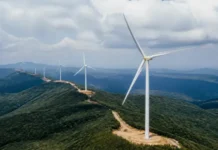
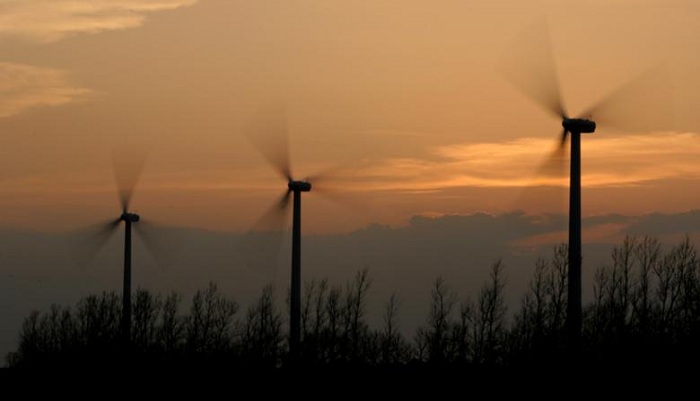
The French group expects to increase its installed capacity in renewables to 50 GW by 2025 and 80 GW by 2030. It will prioritise markets in Europe and the Americas, “with offshore wind across a wider geographic footprint,” and will retain more of its developed projects, particularly when it comes to onshore wind and solar in priority markets.

Engie intends to invest between EUR 15 billion and EUR 16 billion from the current year until 2023, with 55% of that amount being already committed and between 40% and 45% set to be channelled to the renewable energy sector. Overall, it estimates that the investments would contribute to a further EUR 1 billion of operating profit over the same period.

As per Engie’s participation in the hydrogen market, it expects to develop 4 GW of green hydrogen capacity by the end of the decade and have 700 km of dedicated hydrogen networks with 1 TWh of storage capacity and over 100 refuelling stations.

The French group added that it will reduce its overall geographical presence to less than 30 countries by 2023 from 70 in 2018.

Engie also posted a 2.3% year-on-year rise in first-quarter revenue to EUR 16.9 billion, with earnings before interest, taxation, depreciation and amortisation (EBITDA) in the three months to March 31 improving by 5.3% to EUR 3.2 billion.

In late 2020, the French utility launched a strategic review of its client solutions activities as part of ongoing efforts to offload non-core businesses. Through its Italian subsidiary Engie EPS, the French group is in the process of setting up an electric vehicles (EV) technology joint venture with automaker Stellantis arm Fiat Chrysler.

In April, Engie announced that it will exit coal-based power operations in Chile by 2025. The French company is also working on a green hydrogen project in Western Australia.

Latest stories

Related stories

Industrial Decarbonisation and Power Sector Synergy

The path to a net-zero economy requires the deep integration of heavy industry with the electrical grid. By exploring the concept of sector coupling and the role of hydrogen in difficult-to-abate sectors, this analysis details how industrial decarbonisation and power sector synergy can create a more resilient, flexible, and efficient energy system through shared infrastructure and coordinated strategy.

Hydrogen Trade Corridors Reshape Global Energy Supply

The emergence of international hydrogen trade is fundamentally redrawing the world's energy maps. By establishing dedicated corridors that connect resource-rich exporters with high-demand industrial centers, the global energy transition is moving toward a more diversified and resilient supply chain underpinned by advanced maritime logistics and rigorous certification standards.

Largest Solar-Plus-Storage Project Hits Initial Grid Sync

The first phase of the MTerra Solar project in...

India, UK Launch Offshore Wind Taskforce to Scale Capacity

India and the United Kingdom formally launched the India-UK...

Subscribe

- Never miss a story with notifications

- Gain full access to our premium content

- Browse free from any location or device.

Media Packs

Expand Your Reach With Our Customized Solutions Empowering Your Campaigns To Maximize Your Reach & Drive Real Results!

– Access the Media Pack Now

– Book a Conference Call

Leave Message for Us to Get Back

Translate »