

























Events Date: 9

Canada Identifies First Four Offshore Wind Energy Areas

Note* - All images used are for editorial and illustrative purposes only and may not originate from the original news provider or associated company.

Subscribe

- Never miss a story with notifications

- Gain full access to our premium content

- Browse free from any location or device.

Media Packs

Expand Your Reach With Our Customized Solutions Empowering Your Campaigns To Maximize Your Reach & Drive Real Results!

โ€“ Access the Media Pack Now

โ€“ Book a Conference Call

โ€“ Leave Message for Us to Get Back

Related stories

Digital Control Systems Advancing Power Electronics

The integration of digital control architectures into power electronics enables sophisticated monitoring and adaptive optimization, drastically improving the performance of renewable energy systems and electric vehicles.

Advanced Power Modules Improving Energy System Efficiency

Modern energy systems rely on high-performance power modules to manage electricity distribution effectively, offering enhanced power density and superior thermal management for industrial, renewable, and automotive applications.

Smart Grid Integration Improving Energy Efficiency

Smart grid technologies revolutionize energy distribution by incorporating advanced power electronics that facilitate the seamless integration of renewable sources and large-scale energy storage solutions.
- Advertisement -

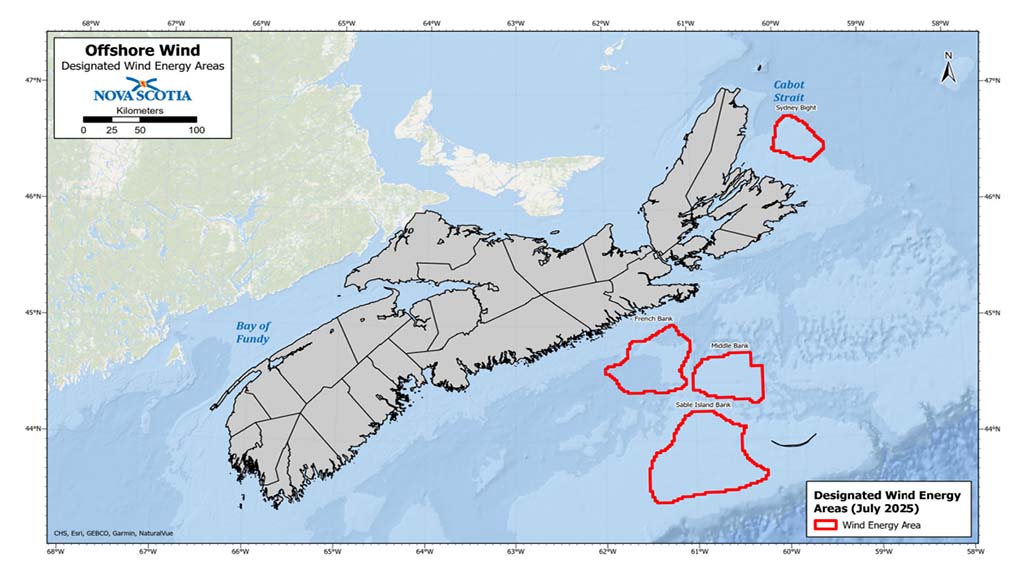
Canada has officially designated its first four offshore wind energy areas along the coast of Nova Scotia, advancing its strategy to license up to 5 GW of capacity by the end of this decade.

The federal and provincial governments selected French Bank, Middle Bank, Sable Island Bank, and Sydney Bight for upcoming offshore wind energy development. This announcement marks a pivotal step in launching a competitive bidding process scheduled for later this year, aligning with broader goals to establish Nova Scotia as a leading clean energy exporter.

Tim Hodgson, Canadaโ€™s Natural Resources Minister, stated: โ€œThe identification of wind energy areas off the coast of Nova Scotia is a significant step forward towards unlocking our renewable energy potential.โ€

Nova Scotia Premier Tim Houston added: โ€œWith some of the top wind speeds in the world, Nova Scotia has the potential to become a clean energy superpower.โ€

Trevor Boudreau, Nova Scotiaโ€™s Energy Minister, noted that the designation delivers โ€œa clear signalโ€ to investors in industry. โ€œItโ€™s time to go, itโ€™s time to get ready for the first call for bids, and itโ€™s time to invest in Nova Scotia.โ€

These four sites were selected through a detailed regional assessment, which had initially identified eight locations with strong potential. Following public engagement, the list was refined to five. Of these, four have now been formally designated. Sydney Bight and French Bank were made smaller in response to feedback from stakeholders.

The Canada-Nova Scotia Offshore Energy Regulator is currently preparing its recommendations for the upcoming bid process for offshore wind energy and establishing licensing terms for seabed use. Christine Bonnell-Eisnor, the Regulatorโ€™s CEO, remarked that this designation represents โ€œan important step in the offshore wind land tenure process.โ€

Under the Canada-Nova Scotia Accord Acts, the federal and provincial governments share responsibility for managing offshore areas. As part of this broader effort, the province has now published the final module of its Offshore Wind Roadmap. This latest section outlines consultation protocols and engagement responsibilities for the sector.

Never miss a energy headline

The energy sector moves fast โ€“ stay on top of it with our must - read briefings.

  • The top power and energy stories, straight to your inbox
  • The biggest news, features, interviews, and analysis
  • Dedicated coverage of the key developments shaping the global power and energy landscape

Latest stories

Related stories

Digital Control Systems Advancing Power Electronics

The integration of digital control architectures into power electronics enables sophisticated monitoring and adaptive optimization, drastically improving the performance of renewable energy systems and electric vehicles.

Advanced Power Modules Improving Energy System Efficiency

Modern energy systems rely on high-performance power modules to manage electricity distribution effectively, offering enhanced power density and superior thermal management for industrial, renewable, and automotive applications.

Smart Grid Integration Improving Energy Efficiency

Smart grid technologies revolutionize energy distribution by incorporating advanced power electronics that facilitate the seamless integration of renewable sources and large-scale energy storage solutions.

Energy Storage Systems Advancing Power Electronics

Sophisticated energy storage systems paired with advanced power electronics provide the stability and conversion efficiency necessary for maintaining reliable renewable energy grids and maximizing battery utility.

Subscribe

- Never miss a story with notifications

- Gain full access to our premium content

- Browse free from any location or device.

Media Packs

Expand Your Reach With Our Customized Solutions Empowering Your Campaigns To Maximize Your Reach & Drive Real Results!

โ€“ Access the Media Pack Now

โ€“ Book a Conference Call

โ€“ Leave Message for Us to Get Back

Translate ยป