
















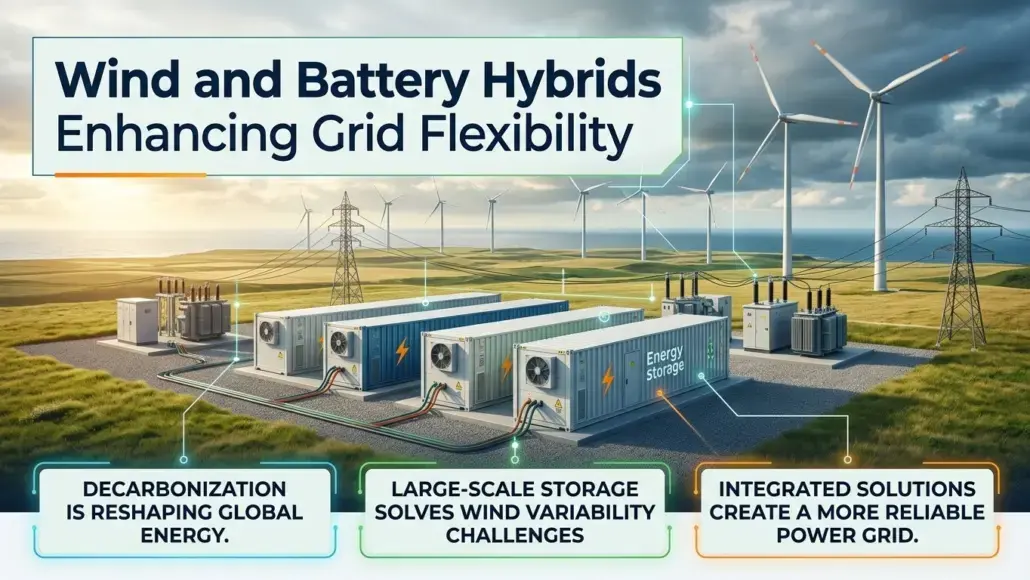

The transition toward a decarbonized energy system is fundamentally changing the way power is generated and managed across the global grid. While wind energy has emerged as a primary pillar of this shift, its inherent variability presents significant challenges for grid operators who must balance supply and demand in real-time. To address these issues, the industry is increasingly turning toward integrated energy solutions that combine renewable generation with large-scale storage. The implementation of wind and battery hybrids enhancing grid flexibility is a key factor in this evolution, providing a more predictable and dispatchable energy source that can meet the rigorous requirements of a modern power system.
Central to this advancement is the ability to decouple the generation of electricity from its immediate consumption. In a traditional wind farm, the power output is dictated by the strength of the wind, often leading to surpluses during the night and deficits during peak demand hours. By integrating lithium-ion batteries or other storage technologies directly into the wind farm infrastructure, operators can capture excess energy during high-wind periods and release it when the grid needs it most. This capability transforms a variable resource into a reliable asset, ensuring that wind and battery hybrids can play a more central role in maintaining the stability and the resilience of the energy network.
Enhancing Dispatchability and Reducing Energy Curtailment
The primary benefit of utilizing hybrid energy systems is the significant improvement in the dispatchability of renewable power. In a traditional market, wind farms are often forced to curtail their production when the supply exceeds the demand or when the transmission lines are congested. This results in the loss of clean energy and a reduction in the economic return for the project developers. Wind and battery hybrids enhancing grid flexibility mitigate these risks by storing the surplus energy for later use. This ensures that the facility can fulfill its delivery obligations regardless of the short-term variations in the weather, providing a more stable and secure revenue stream.
Furthermore, the presence of onsite storage allows the hybrid plant to participate in ancillary service markets, providing frequency regulation and voltage support to the grid. These services are essential for maintaining the balance of the power system, especially as traditional thermal plants are retired. The ability to respond to grid signals in milliseconds allows wind and battery hybrids to provide a level of technical precision that exceeds conventional generators. The move toward a more integrated and flexible energy model is a hallmark of the modern power generation sector, where the focus is on achieving the highest possible standards of operational efficiency through the use of advanced automation and data-driven controls.
Optimizing Grid Infrastructure and Capacity Utilization
The integration of storage also provides significant benefits for the management of the transmission and the distribution networks. In many regions, the growth of wind energy is limited by the capacity of the existing grid to handle large surges in power output. Wind and battery hybrids enhancing grid flexibility can alleviate this pressure by smoothing the delivery of electricity, reducing the peak loads on the transformers and the lines. This “peak shaving” capability can delay or even eliminate the need for expensive grid upgrades, providing a more cost-effective path for the expansion of renewable energy capacity.
Furthermore, the hybrid model allows for a more efficient use of the land and the electrical infrastructure at the project site. By sharing the same point of interconnection and the same substation, the wind and the battery components can reduce the overall capital cost of the development. This integrated design approach ensures that the resulting facility is optimized for the specific needs of the local energy market. The commitment to technical excellence in hybrid system design is what will define the leaders of the renewable energy industry in the coming years, ensuring that the next generation of power generation is both reliable and sustainable for every community.
Data-Driven Management and Energy Arbitrage Strategies
The success of a hybrid energy project depends on the sophisticated coordination of the generation and the storage assets. This requires the use of advanced control software that can analyze weather forecasts, market prices, and grid conditions in real-time to determine the optimal charging and discharging schedule. In a competitive energy market, wind and battery hybrids enhancing grid flexibility can utilize energy arbitrage strategies to maximize their value. By storing energy when prices are low and selling it when prices are high, the facility can provide a more attractive return for its investors while supporting the overall stability of the market.
Furthermore, the data generated by these systems provides a wealth of insights for the ongoing optimization of the plant performance. By tracking the degradation of the batteries and the efficiency of the power converters, operators can identify opportunities for proactive maintenance and for improving the long-term reliability of the assets. This data-driven approach to energy management is a defining characteristic of the modern industrial sector, where the focus is on achieving the highest possible levels of transparency and for ensuring the safety and the satisfaction of the end users. The move toward a more connected and intelligent energy infrastructure is a hallmark of the global transition toward a carbon-neutral world.
Future Horizons in Hybrid Energy and Storage Innovation
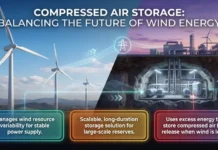
The continued evolution of the hybrid energy market will likely lead to the integration of a wider range of storage technologies and the use of more sophisticated artificial intelligence. We are already seeing the emergence of “long-duration” storage solutions, such as flow batteries or compressed air systems, that can provide energy for multiple days or even weeks. These advancements will further enhance the value of wind and battery hybrids enhancing grid flexibility, allowing them to provide a reliable power supply even during prolonged periods of low wind. The role of intelligent machinery and predictive analytics in supporting this evolution is essential, as they provide the digital foundation for a more resilient and flexible grid.
In the coming years, the integration of hybrid systems with green hydrogen production and electric vehicle charging infrastructure will create new opportunities for the decarbonization of the broader economy. A wind and battery hybrid could provide the steady power supply needed for an electrolyzer, producing carbon-free fuel for the transportation and the industrial sectors. This move toward a more integrated and multi-sectoral energy model represents the next frontier in global sustainability. The ongoing commitment to technical innovation and operational excellence is what will define the success of these programs in the decades to come, providing a secure foundation for the continued growth of a clean energy economy.
The transition toward a more flexible and data-driven approach to energy generation is a defining characteristic of the modern industrial sector. By prioritizing the use of wind and battery hybrids enhancing grid flexibility, utilities can achieve levels of reliability and efficiency that were once considered unattainable in a purely renewable system. The benefits of this approach extend beyond the project site, contributing to a more responsive and resilient energy infrastructure that is better equipped to handle the challenges of a global market. The commitment to technical excellence and energy storage is what will define the success of these programs in the years to come.
As the industry moves forward, the focus will remain on the refinement of control properties and the continued improvement of production outcomes. The ability to handle the increasing complexity of new storage chemistries and regulatory requirements will remain a key challenge for engineers and plant managers alike. The ongoing evolution of wind and battery hybrids enhancing grid flexibility is a testament to the power of technical innovation in the service of energy productivity, ensuring that the next generation of power generation is both clean and reliable for every organization that needs it around the world.