















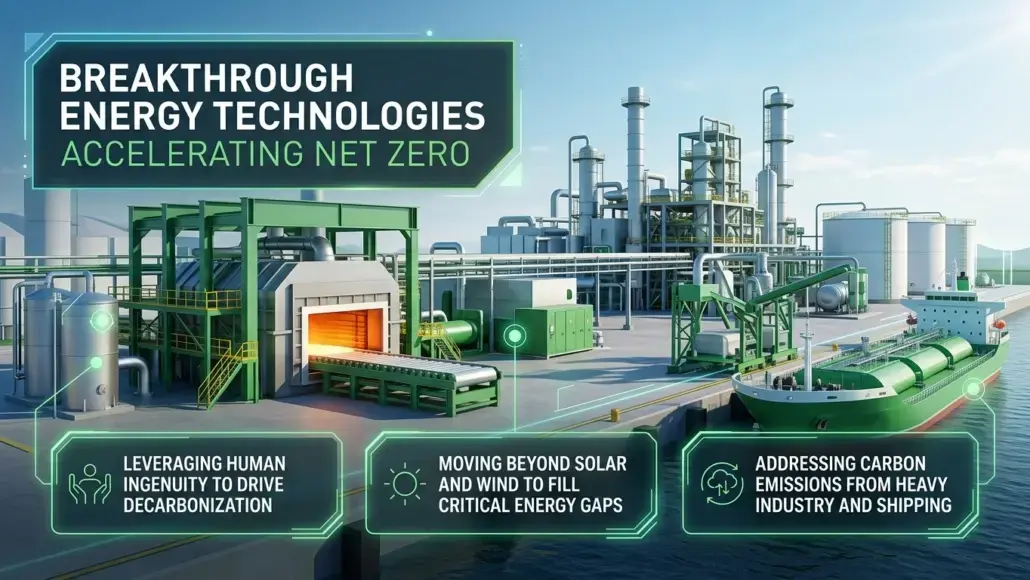

The transition to a net-zero global economy is often framed as a race against time, but more accurately, it is a race of human ingenuity. While the massive deployment of wind and solar power has established a vital foundation for decarbonization, these variable resources are only part of a much larger and more complex puzzle. To fully eliminate carbon from heavy industry, global shipping, and high-heat manufacturing, we must look beyond the current generation of renewables. Accelerating net zero with breakthrough energy technologies involves the convergence of advanced physics, material science, and molecular energy carriers like hydrogen. This synergy is creating a new paradigm where energy is not just cleaner, but more reliable, flexible, and abundant than ever before.
The current innovation landscape is defined by a shift from “scarcity” to “abundance.” For decades, the energy sector was dominated by the extraction of finite fossil fuels. Today, the focus has moved to “manufacturing” energy through sophisticated hardware and software. By leveraging the unique properties of hydrogen as a bridge between the electrical grid and industrial processes, these breakthroughs are solving the “hardest” problems of the energy transition. Whether it is through the sun-like power of nuclear fusion or the deep-earth heat of advanced geothermal, the future of energy is being built on a platform of high-density, carbon-free innovation that treats the environment as a partner rather than a resource to be exploited.
The Synergy of Fusion and the Hydrogen Economy
Among the most anticipated of all frontier developments is nuclear fusion. Often described as “the holy grail of energy,” fusion seeks to replicate the process that powers the sun combining light atoms to release vast amounts of energy. Unlike traditional fission, fusion produces no long-lived radioactive waste and carries no risk of meltdown. However, the true power of fusion in a net-zero world lies in its potential synergy with hydrogen production. Accelerating net zero with breakthrough energy technologies like fusion would provide the immense, constant electricity and high-grade heat required to drive ultra-efficient electrolyzers at an unprecedented scale.
In this vision of the future, a single fusion plant could act as a massive “green energy factory,” producing both electricity for the grid and high-purity hydrogen for industrial use. This dual-output model addresses the primary bottleneck of the hydrogen economy: the need for massive amounts of low-cost, zero-carbon power. By utilizing the near-limitless energy of fusion, we can produce hydrogen at a price point that makes it competitive with natural gas, effectively “unlocking” the decarbonization of steel mills, chemical plants, and heavy-duty transport. This integration transforms fusion from a standalone power source into the engine of a broader, molecular energy revolution.
Advanced Geothermal: A Baseload Companion for Variable Renewables
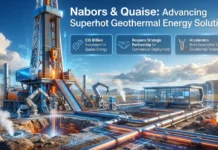
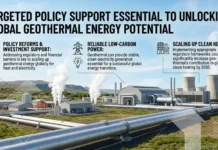
While fusion looks to the future, advanced geothermal technology is finding new ways to tap into the energy that already exists beneath our feet. Traditional geothermal energy has been geographically limited to regions with high tectonic activity. However, new “closed-loop” and “enhanced” geothermal systems are aiming to unlock the heat of the Earth’s crust regardless of location. Accelerating net zero with breakthrough energy technologies in the geothermal space provides the “firm” baseload power that is essential for a stable grid.
The role of hydrogen in this sector is emerging through the concept of “geothermal hydrogen hubs.” During periods of low electricity demand, the constant thermal and electrical output of a geothermal plant can be diverted to produce hydrogen. This allows the plant to operate at maximum capacity 24/7, improving its economic viability while building up a strategic reserve of clean fuel. Furthermore, the drilling techniques developed for advanced geothermal including ultra-deep drilling in hard rock are directly applicable to the infrastructure needs of large-scale hydrogen storage in geological formations. This cross-industry technological exchange is a hallmark of the collaborative spirit driving the net-zero transition.
Long-Duration Storage and the Role of Molecular Energy
As the share of wind and solar on the grid increases, the need for energy storage that can last for days, weeks, or even months becomes critical. Lithium-ion batteries are excellent for short-term smoothing, but they are physically and economically unsuited for seasonal storage. This is where breakthrough long-duration energy storage (LDES) technologies come into play. Accelerating net zero with breakthrough energy technologies involves the use of iron-flow batteries, thermal sand batteries, and, most importantly, the conversion of electricity into hydrogen for chemical storage.
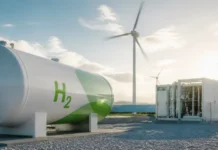
Hydrogen is the ultimate long-duration storage medium. Excess renewable power can be used to split water, and the resulting gas can be stored in massive underground salt caverns or depleted gas fields indefinitely. When the grid faces a deficit perhaps during a week of low wind and overcast skies this hydrogen can be fed back into turbines or fuel cells to generate electricity. This “buffer” is what allows a modern society to rely on variable renewables without fearing a blackout. By integrating hydrogen storage into the grid architecture, we are essentially creating a national “insurance policy” against energy volatility, ensuring that the transition to net zero does not come at the cost of reliability.
Carbon Removal and Synthetic E-Fuels
Even in a world of clean power and hydrogen, certain emissions remain incredibly difficult to eliminate, particularly in sectors like long-haul aviation. This necessitates the development of Carbon Capture and Removal (CCR) technologies. Accelerating net zero with breakthrough energy technologies includes Direct Air Capture (DAC), which pulls CO2 directly from the atmosphere. This is where the story of hydrogen takes a “circular” turn. By combining captured CO2 with green hydrogen, we can manufacture synthetic “e-fuels” kerosene and diesel that are chemically identical to fossil fuels but are carbon-neutral in their lifecycle.
This breakthrough allows us to decarbonize the existing global fleet of aircraft and ships without requiring them to be rebuilt or replaced. The infrastructure for these e-fuels already exists, from pipelines to airport fueling stations. This “drop-in” capability is essential for meeting mid-century targets. Furthermore, the process of mineralization turning captured CO2 into stable rock provides a permanent way to “undo” past emissions. As these technologies scale, they move from being expensive pilot projects to being the backbone of a new, circular carbon economy where hydrogen acts as the primary “glue” connecting carbon management with energy production.
Conclusion: A Multi-Layered Architecture for Success
The journey toward net zero is not a linear path, but a complex, multi-layered architecture of innovation. The breakthroughs we are witnessing today are not isolated events; they are part of a synchronized movement toward a cleaner and more resilient world. By accelerating net zero with breakthrough energy technologies, we are building a system that leverages the density of fusion, the reliability of geothermal, the flexibility of storage, and the versatility of hydrogen.
The integration of hydrogen across these various fields is what provides the necessary cohesion for the entire energy system. It serves as the common denominator that allows electricity, heat, and carbon management to work in harmony. As these technologies move from the “frontier” to the “mainstream,” the global economy will find itself powered by a diverse and robust array of energy sources that are no longer at odds with the environment. The net-zero future is within our grasp, and it is being built today through the relentless pursuit of breakthroughs that turn the impossible into the inevitable.