

















Water has quietly become one of the most decisive constraints in power generation. Turbines, reactors, and combined-cycle plants all share a common dependency on reliable water supplies for cooling, steam production, and emissions control.
As droughts intensify across the Western United States, Southern Europe, and parts of Asia, operators are rethinking where to build, how to retrofit, and how to keep existing assets running. This shift is not a distant concern. It is already reshaping capital planning, permit timelines, and day-to-day plant operations.
The Water-Energy Nexus Is Tightening
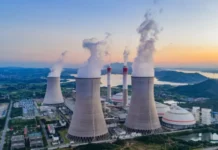
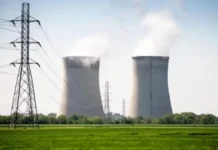
Thermal power generation is among the most water-intensive industrial activities on the planet. A typical combined-cycle gas plant can consume hundreds of gallons per megawatt-hour for cooling alone. Nuclear and coal facilities require even more.
When regional water supplies fall below historical norms, regulators, utilities, and neighboring communities all compete for the same resource. Power plants, often the largest industrial withdrawers in a watershed, are increasingly expected to justify every gallon they use.
The result is a new operating reality. Water availability now sits alongside fuel pricing and grid interconnection as a primary determinant of plant viability.
How Scarcity Is Changing Siting Decisions
Developers who once prioritized proximity to fuel or transmission lines now weigh hydrological risk just as heavily. Long-term drought forecasts, aquifer depletion, and competing municipal demand all factor into modern siting studies.
Moving Inland and Upstream
Some developers are relocating projects to regions with more reliable surface water or treated effluent supplies. Others are clustering new generation near wastewater utilities, enabling the use of reclaimed water as primary makeup. This approach reduces freshwater withdrawal and often simplifies permitting.
Dry and Hybrid Cooling
Air-cooled condensers and hybrid wet-dry systems are gaining adoption where water is unavailable or too expensive. They cut withdrawal dramatically but carry efficiency penalties, especially during peak summer temperatures.
Plants using these designs depend on disciplined engineering of the smaller water loops that remain. Even minor chemistry excursions can impact heat rate and asset longevity.
Co-Locating With Industrial Water Infrastructure
Increasingly, new plants are being built adjacent to reclaimed water pipelines, desalination outputs, or industrial wastewater streams. These non-traditional sources require rigorous pretreatment, scaling control, and ongoing monitoring.
Operators adopting these strategies rely on specialized water treatment for power generation facilities that can handle variable influent chemistry, recover blowdown, and maintain consistent boiler feedwater quality across reverse osmosis, electrodeionization, and cooling tower systems.
Operational Adjustments at Existing Plants
Not every facility can be relocated. For plants already in service, scarcity forces incremental changes that can be surprisingly effective when executed consistently.
Higher Cycles of Concentration
Cooling towers lose water to evaporation, drift, and blowdown. Raising cycles of concentration, meaning reusing the same water more times before discharging it, directly reduces makeup demand.
The trade-off is tighter chemistry windows. Scaling, corrosion, and microbiological growth all accelerate as dissolved solids concentrate in the loop.
Blowdown Reclamation and Reuse
Instead of discharging blowdown to the sewer or evaporation ponds, many plants now treat and recycle it. Modern reclamation skids combine filtration, softening, and membrane separation to return usable water to the cooling loop.
Reductions of twenty to forty percent in freshwater intake are achievable at well-designed facilities. The payback is often measured in months rather than years.
Real-Time Chemistry Monitoring
Continuous monitoring of conductivity, pH, oxidation-reduction potential, and corrosion rates allows operators to push efficiency limits safely. Automated dosing adjusts chemistry within seconds, not hours.
This level of control was once rare outside of high-purity nuclear applications. It is now becoming standard across thermal fleets operating in stressed watersheds.
Regulatory and Community Pressure
Water permits are getting harder to secure, and existing permits are being renegotiated. Several U.S. states have introduced tiered withdrawal limits that scale with drought severity. Updated European industrial emissions directives explicitly address water reuse and discharge quality for large combustion plants.
Public scrutiny matters too. Communities that lived alongside major power plants for decades are now pushing back during drought years, when residential rationing coincides with plant operations. Transparency around water use has become a reputational issue, not just a compliance one.
Operators that can demonstrate measurable reductions in withdrawal, thorough treatment of discharge, and credible contingency plans tend to move through permitting faster. They also face less friction during expansions.
Planning for a More Variable Future
Climate models suggest the water constraints of the last decade will only intensify. The International Energy Agency projects that water stress will increasingly constrain thermal generation through 2040. Forward-looking operators are building flexibility into their fleets rather than waiting for the next crisis.
This mirrors the broader shift toward decentralized energy networks, where resilience and local resource management are redefining how generation capacity is planned.
Scenario Planning
Integrated resource plans are beginning to treat water like fuel, with supply curves, price sensitivities, and worst-case contingencies. This allows executives to compare assets not only on the levelized cost of energy but on water risk over the life of the plant.
Investment in Treatment Capacity
Upgrading pretreatment, condensate polishing, and wastewater systems is no longer optional at many sites. These capital improvements expand the range of source waters a plant can accept and reduce exposure to supply shocks.
They also tend to pay back through lower chemical costs, less downtime, and reduced wastewater surcharges. The economics increasingly favor proactive investment over reactive repair.
Workforce and Partnerships
The technical complexity of modern water management has outpaced the in-house expertise at many plants. Certified water technologists, chemists, and process engineers are increasingly embedded through long-term service partnerships. This shift mirrors what the industry already saw decades ago with instrumentation and controls.
The Bottom Line for Power Executives
Water scarcity is no longer a regional footnote in the power generation story. It is a structural issue that touches siting, design, operations, and reputation. Plants that treat water as a strategic asset will be more resilient and more competitive.
The technologies and practices already exist. The differentiator is execution. Facilities that move now, before scarcity becomes acute in their region, will avoid the emergency retrofits and curtailments that have hit less prepared operators.
In a sector defined by long asset lives and heavy capital commitments, the cost of adapting early is almost always lower than the cost of adapting under duress.