

















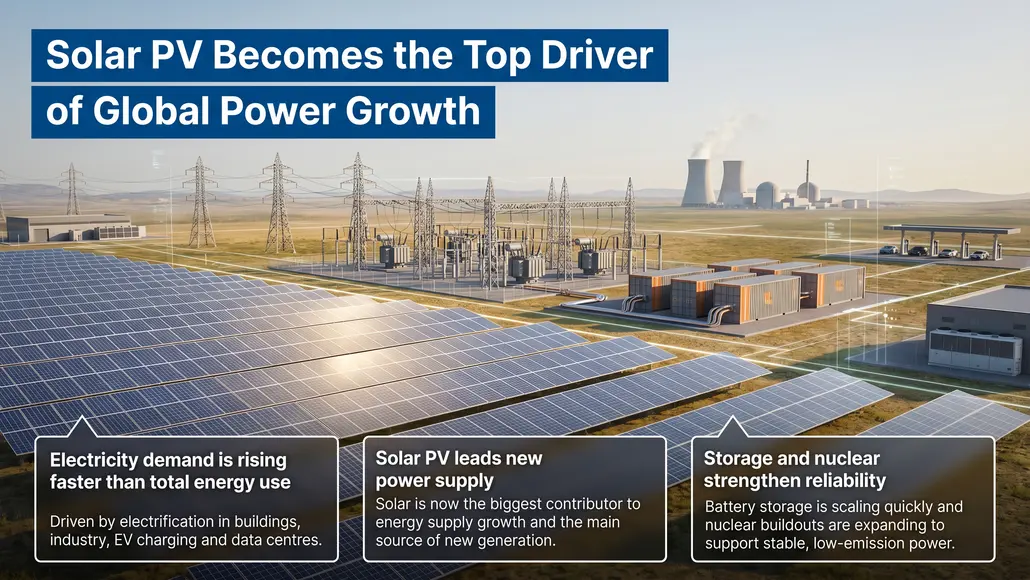

The International Energy Agency (IEA) said global energy demand growth slowed to 1.3% in 2025, while electricity demand rose by around 3%, more than twice the overall rate, with Solar PV emerging as the largest contributor to global energy supply growth for the first time.
Electricity demand accelerates across power systems
The IEA report shows that electricity demand continued to expand at a faster pace than total energy consumption, reflecting increasing electrification across industrial, commercial and residential sectors. Growth remained above the long-term average despite moderating from 2024 levels due to milder weather conditions in parts of Asia.
Electricity consumption was supported by demand from buildings and industry, alongside rising use from electric vehicles and data centres. Global electric car sales exceeded 20 million units in 2025, contributing to higher power demand across multiple regions.
Power Info Today notes that this sustained increase in electricity consumption reinforces the structural shift toward electricity-led energy systems, requiring accelerated expansion in generation and grid capacity.
Solar PV becomes leading source of supply growth
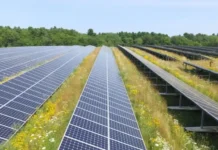
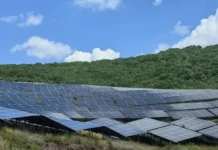
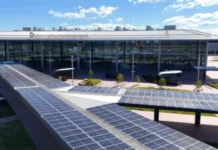
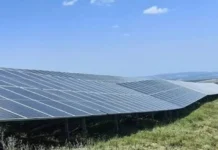
Solar PV accounted for more than 25% of global energy supply growth in 2025, marking the first time a modern renewable technology has led overall energy expansion. In the power generation sector, solar PV added approximately 600 terawatt-hours (TWh) of electricity, the largest single-year increase recorded for any generation technology.
Renewables and nuclear together met nearly 60% of global energy demand growth, with their combined generation exceeding total electricity demand growth. Solar PV alone contributed around 70% of incremental electricity generation.
Annual renewable capacity additions reached around 800 gigawatts (GW), with solar accounting for roughly three-quarters of new installations. Growth was led by China, with additional capacity expansion observed in the European Union and India.
Fossil fuel generation trends vary by region
Despite strong renewable growth, fossil fuel-based generation trends diverged across major markets. Global coal-fired electricity generation declined slightly, driven by reduced coal use in China and India as renewable capacity expanded.
In contrast, coal demand increased in the United States due to higher natural gas prices, which led to fuel switching in power generation. In the European Union, weaker wind and hydropower output increased reliance on natural gas and slowed the decline in coal use.
Natural gas remained a significant contributor, accounting for 17% of global energy supply growth and continuing to support power generation in several regions.
Storage and nuclear expansion support system stability
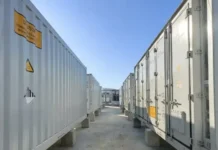
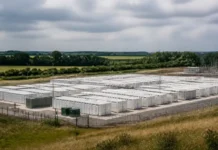
The report highlights rapid growth in enabling technologies within the power generation sector. Battery storage was the fastest-growing power technology in 2025, with around 110 GW of new capacity added globally, exceeding annual additions for natural gas capacity.
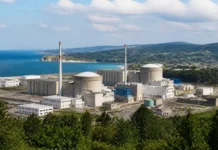
At the same time, more than 12 GW of nuclear power capacity entered construction, while nuclear generation reached record levels globally. These developments reflect increasing focus on system flexibility and low-emissions baseload capacity.
According to Power Info Today, the combined expansion of storage and nuclear capacity indicates a shift towards more resilient and diversified power generation systems.
Emissions growth slows amid energy transition
Global energy-related carbon dioxide emissions rose by around 0.4% in 2025, continuing a trend of slowing growth. Emissions declined in China due to increased renewable and nuclear generation, while advanced economies recorded higher emissions driven by increased fossil fuel use during colder weather.
Overall, the deployment of low-emissions technologies continues to reshape the emissions profile of the power generation sector, reducing reliance on coal and natural gas over time.
Market implications for power generation sector
The IEA findings indicate a structural transformation in global power generation, with electricity demand growing faster than overall energy demand and Solar PV leads global energy growth shaping supply dynamics.
At the same time, Solar PV continues to drive capacity additions, influencing investment strategies and long-term planning across the sector. The integration of renewables, supported by storage and nuclear capacity, is expected to play a central role in maintaining system reliability while meeting rising demand.
Power Info Today observes that the convergence of strong electricity demand growth and rapid renewable deployment is set to define the future trajectory of global power generation markets.