






































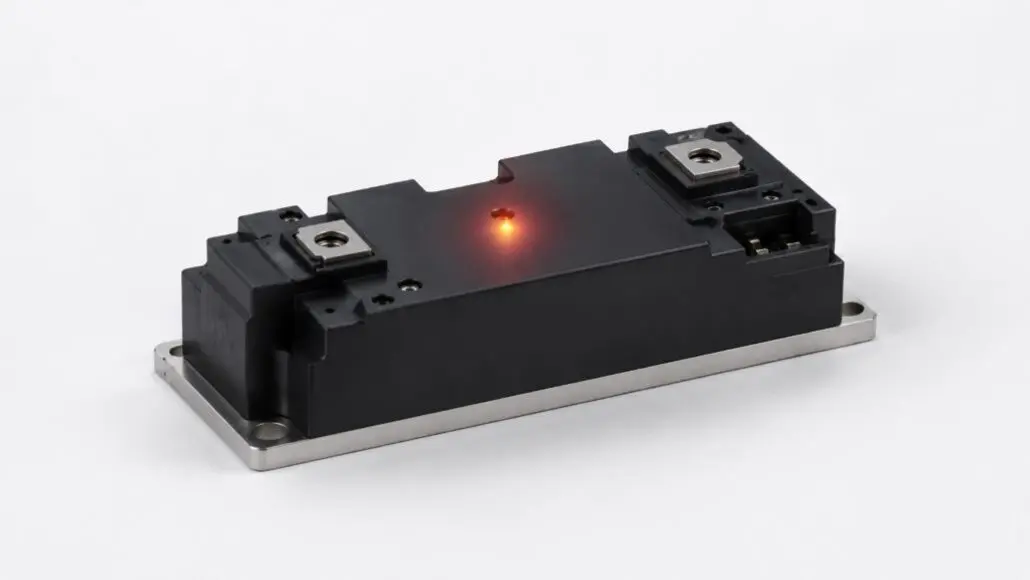

The rapid expansion of the global energy infrastructure, driven by the dual needs of electrification and renewable energy integration, has placed an unprecedented demand on the components that manage and convert electrical power. At the center of this technological push are advanced power modules, which serve as the fundamental building blocks for modern energy systems. Unlike discrete semiconductor components, power modules integrate multiple power devices into a single package, optimized for thermal performance, electrical interconnectivity, and mechanical robustness. This integration is crucial for achieving the high levels of power density and efficiency required by today’s sophisticated industrial and automotive applications.
The evolution of advanced power modules energy systems has been defined by a move away from simple switching functions toward highly integrated, intelligent assemblies. These modules are no longer just passive containers for transistors; they are sophisticated sub-systems that incorporate gate drivers, protection circuits, and even sensing elements. By housing these components in close proximity, designers can drastically reduce parasitic inductance a phenomenon that causes voltage spikes and electromagnetic interference during high-speed switching. Reducing these parasitics is essential for unlocking the full potential of modern wide bandgap semiconductors, ensuring that the energy system operates with minimal loss and maximum stability.
Enhancing Power Density through Innovative Packaging
One of the primary drivers in the development of power modules is the pursuit of higher power density. In sectors like aerospace and electric vehicle manufacturing, space and weight are at a premium. Advanced power modules address this by utilizing innovative packaging technologies such as silver sintering, copper wire bonding, and even bond-wire-free designs. Silver sintering, in particular, offers a much higher thermal conductivity compared to traditional solder, allowing heat to flow more freely from the semiconductor die to the heat sink. This improved thermal path enables the module to handle higher currents without overheating, effectively allowing engineers to pack more power into a smaller physical volume.
Furthermore, the transition toward double-sided cooling is a significant breakthrough in module design. In a standard module, heat is typically dissipated through the bottom surface only. Double-sided cooling allows heat to be removed from both the top and bottom of the power devices, nearly doubling the thermal dissipation capability. This is particularly vital for EV traction inverters, where the ability to manage transient thermal loads during rapid acceleration is critical. By improving the thermal management of the module, manufacturers can reduce the size of the overall cooling system, leading to lighter vehicles and more efficient energy use across the board.
Industrial Drives and the Optimization of Manufacturing
In the industrial sector, the impact of advanced power modules energy systems is most evident in the performance of variable speed drives and motor control systems. Motors account for a vast majority of industrial electricity consumption, and even marginal improvements in drive efficiency can lead to massive energy savings. Advanced modules enable finer control over motor speed and torque, allowing industrial processes to operate more precisely and with less wasted energy. The high reliability of these modules is also a key factor, as downtime in a manufacturing plant can be incredibly costly. Modern modules are designed with enhanced cycling capabilities, ensuring they can withstand millions of thermal cycles over decades of service.
The integration of smart features into these modules is further enhancing industrial efficiency. By including temperature and current sensors directly within the module package, the system can monitor its own health in real-time. This data allows for predictive maintenance, where the drive can signal a potential failure before it actually occurs, allowing for scheduled repairs rather than emergency shutdowns. This level of intelligence is a hallmark of the next generation of energy systems, where the power module acts as both a muscle and a sensory organ for the industrial machine, ensuring that every kilowatt of energy is used as effectively as possible.
Thermal Management as a Pillar of Performance
The performance of any power electronic system is ultimately limited by its ability to handle heat. In advanced power modules energy systems, thermal management is not just an afterthought but a core design principle. The use of advanced substrate materials, such as Silicon Nitride (Si3N4) and Aluminum Nitride (AlN), provides a combination of high electrical insulation and high thermal conductivity. These materials are essential for isolating high-voltage circuits from the grounded chassis while still allowing heat to escape. Silicon Nitride, in particular, is prized for its mechanical strength and resistance to thermal fatigue, making it ideal for the demanding duty cycles of heavy-duty electric trucks and industrial machinery.
As we push toward higher switching frequencies, the “skin effect” and other high-frequency phenomena become more pronounced, leading to increased AC losses. Advanced module designs mitigate these effects through optimized internal layouts and the use of specialized conductors. By carefully managing both the thermal and electromagnetic environment within the package, these modules ensure that the energy system maintains peak efficiency even under the most strenuous operating conditions. This holistic approach to design where thermal, mechanical, and electrical engineering intersect is what differentiates an advanced power module from a standard off-the-shelf component.
Reliability in Renewable Energy Grids
The stability of our future energy grids depends heavily on the reliability of the power electronics that interface with renewable sources like solar and wind. Advanced power modules are the gatekeepers of this interface, converting the fluctuating output of these sources into a stable, grid-compatible form. In offshore wind turbines, where maintenance is difficult and expensive, the longevity of the power module is paramount. These modules are built to withstand extreme vibrations and corrosive environments, ensuring that they can provide decades of service without failure.
In solar applications, the focus is often on maximizing conversion efficiency to squeeze every possible watt out of the photovoltaic panels. Advanced modules with low conduction and switching losses are essential here. By reducing the internal energy waste of the inverter, these modules help lower the “levelized cost of energy” (LCOE) for solar power, making it more competitive with traditional fossil fuels. The role of advanced power modules energy systems in these contexts is clear: they are the invisible workhorses that make the green energy transition both technically feasible and economically attractive.