

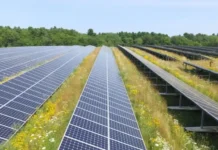
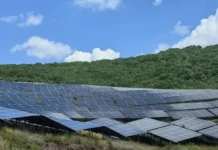


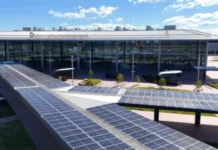
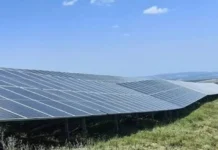


























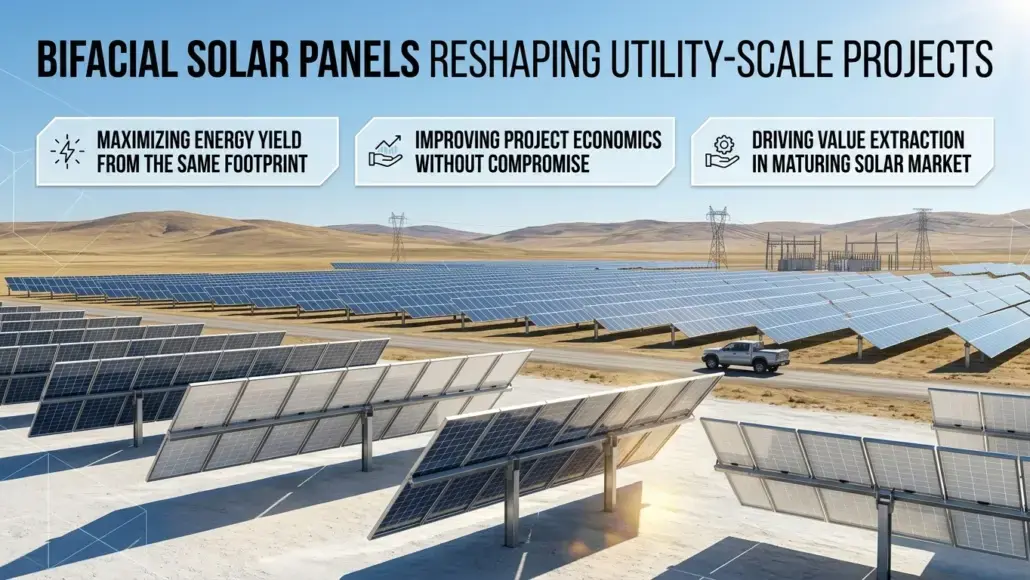

Utility-scale solar generation has evolved rapidly over the past decade. Falling module costs, larger project sizes, and advances in system design have transformed solar energy into one of the world’s fastest-growing power generation technologies. As the industry matures, however, developers are increasingly focused on extracting more value from every installed megawatt.
This shift is driving interest in technologies capable of improving performance without significantly increasing project complexity. Among the most significant developments in recent years has been the rise of bifacial solar panels, which are changing how utility-scale solar projects are designed, evaluated, and optimized.
Rather than generating electricity from a single surface, bifacial modules capture sunlight on both sides of the panel, creating opportunities for higher energy production and improved project economics.
Moving Beyond Traditional Solar Module Design
Conventional photovoltaic panels generate electricity primarily from sunlight striking the front surface. While this design has powered solar industry growth for decades, it also limits the amount of energy that can be harvested from a given installation.
Bifacial solar panels introduce a different approach. By utilizing transparent or dual-sided designs, these modules can capture reflected and scattered sunlight from the rear side in addition to direct solar irradiation on the front. This additional energy generation capability allows project developers to increase overall output without proportionally increasing land requirements or system footprint.
As utility-scale projects seek higher returns and greater efficiency, this advantage is becoming increasingly valuable.
Improving Energy Yield Without Expanding Project Size
One of the primary reasons for the growing adoption of bifacial solar panels is their ability to improve energy yield.
In utility-scale projects, energy production directly influences project economics. Even modest increases in output can significantly improve long-term revenue generation across large installations.
Because bifacial modules capture reflected light from the ground and surrounding environment, they can generate additional electricity beyond what conventional panels achieve under similar conditions.
The extent of this gain depends on factors such as:
- Ground reflectivity
- Site design
- Module height
- Tracking systems
- Environmental conditions
For developers seeking greater production efficiency, bifacial technology offers a practical pathway to increasing generation without requiring additional land acquisition.
Utility-Scale Economics Are Driving Adoption
The solar industry has entered a phase where performance optimization often matters as much as cost reduction.
As module prices continue to decline, developers are increasingly focused on maximizing project output and improving long-term returns. In this environment, bifacial solar panels are attracting attention because they can enhance revenue potential over the lifespan of a project.
While bifacial systems may involve slightly higher upfront costs and more sophisticated design considerations, the additional energy production can improve overall project economics. This lifecycle perspective is becoming increasingly important as investors and developers evaluate projects based on long-term performance rather than simply installation costs.
The Growing Role of Solar Tracking Systems
The effectiveness of bifacial technology is often enhanced through integration with solar tracking systems.
Trackers allow panels to follow the sun throughout the day, maximizing exposure to incoming radiation. When combined with bifacial modules, tracking systems can further increase opportunities for rear-side energy generation. This combination is becoming increasingly common in large utility-scale projects where maximizing energy output is a priority.
The relationship between tracking technology and bifacial solar panels highlights a broader industry trend toward system-level optimization rather than isolated component improvements.
Design Considerations Are Becoming More Important
The successful deployment of bifacial technology requires careful project planning.
Unlike conventional modules, bifacial systems are influenced by factors beyond direct sunlight exposure. Ground conditions, row spacing, mounting structures, and site reflectivity all affect overall performance.
Developers are increasingly incorporating advanced modeling and simulation tools to optimize system layouts and accurately predict energy gains. As a result, project design is becoming a more critical factor in determining the value delivered by bifacial technology.
This shift is encouraging a more integrated approach to solar plant engineering and development.
Supporting Land Efficiency in Utility Projects
Land availability is becoming an increasingly important consideration for large-scale renewable energy development.
As solar installations expand, competition for suitable sites is intensifying in many regions. Improving energy output without increasing land requirements therefore represents a significant advantage. By generating additional electricity from the same footprint, bifacial solar panels can help improve land-use efficiency and support higher production densities.
For developers operating in land-constrained markets, this benefit can have meaningful implications for project feasibility and long-term competitiveness.
Challenges to Wider Adoption
Despite strong momentum, bifacial technology is not without challenges.
Performance gains vary depending on site conditions, making accurate forecasting more complex than with conventional modules. Developers must account for a wider range of variables when evaluating project economics.
There are also considerations related to:
- System design complexity
- Performance modeling accuracy
- Installation practices
- Financing assumptions
In some cases, uncertainty around actual energy gains can create hesitation among stakeholders unfamiliar with bifacial technology.
However, as more utility-scale projects demonstrate successful performance outcomes, confidence in the technology continues to grow.
The Future of Utility-Scale Solar Development
The broader significance of bifacial solar panels extends beyond individual projects. Their adoption reflects a wider transformation occurring within the solar sector.
The industry is increasingly focused on maximizing generation efficiency, improving asset utilization, and enhancing long-term project value. Rather than relying solely on lower equipment costs, developers are pursuing technologies capable of delivering sustained performance improvements over decades of operation.
Bifacial modules align closely with these objectives, making them an increasingly important part of utility-scale solar development strategies.
Conclusion
Utility-scale solar projects are entering a phase where performance optimization is becoming a primary driver of competitiveness. Developers are seeking technologies that improve energy production, strengthen project economics, and maximize the value of existing resources.
Bifacial solar panels are helping meet these objectives by enabling higher energy yields, better land utilization, and improved lifecycle performance. While successful implementation requires thoughtful design and planning, the potential benefits are making bifacial technology an increasingly attractive option for large-scale solar developments.
As the renewable energy sector continues to evolve, the focus will increasingly shift from simply deploying capacity to extracting greater performance from every installed asset. In that transition, bifacial solar technology is positioned to play a significant role.