















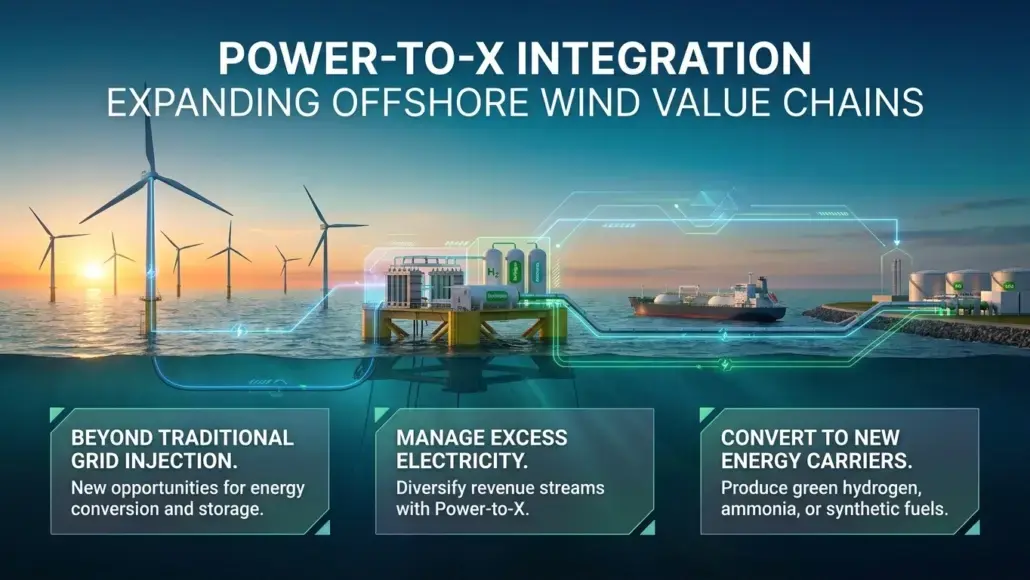

The maturation of the offshore wind industry is creating new opportunities for energy conversion and storage beyond traditional grid injection. As the capacity of offshore arrays continues to grow, developers are increasingly looking toward Power-to-X technologies to manage excess electricity and diversify their revenue streams. This approach involves converting electrical energy into other energy carriers, such as green hydrogen, ammonia, or synthetic fuels. By employing power-to-x integration expanding offshore wind value chains, the sector can address the challenges of intermittency and grid congestion while providing decarbonized energy for hard to abate industries. This strategic shift is essential for maximizing the utilization of offshore wind resources and enhancing the overall resilience of the global power generation mix.
Electrolysis Implementation in Remote Offshore Locations
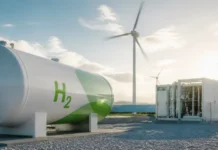
One of the most promising applications of Power-to-X in the offshore environment is the direct production of green hydrogen through electrolysis. By placing electrolyzers either on offshore platforms or directly within the turbine foundations, developers can convert electricity into gas at the source. This reduces the reliance on high voltage subsea cables for power transmission, which can be a significant cost driver for projects located far from the shore. Instead, the hydrogen can be transported to the mainland via subsea pipelines, which often have higher energy carrying capacities than electrical links. The design of these offshore electrolysis systems must account for the harsh marine environment, requiring specialized components that can withstand saltwater exposure and extreme weather.
Implementing electrolysis at scale also requires a reliable source of high purity water. Desalination units are therefore an integral part of the offshore Power-to-X assembly. The integration of these systems necessitates a holistic approach to platform design, balancing the weight and space requirements of the electrolyzers, desalination equipment, and hydrogen compression units. As the industry moves toward larger arrays, the deployment of power-to-x integration expanding offshore wind value chains will likely involve centralized hydrogen production hubs that serve multiple wind farms. These hubs can optimize the use of shared infrastructure and provide a more stable supply of hydrogen to downstream users. The technical feasibility of offshore electrolysis has been demonstrated in several pilot projects, and the focus is now shifting toward commercial scale implementation. These large scale projects will require a new generation of electrolyzer technology that is specifically optimized for variable power inputs and remote operation. Modular designs that allow for easy maintenance and replacement of components are particularly attractive for offshore applications. Additionally, the integration of advanced sensors and autonomous monitoring systems can reduce the need for manual intervention, improving the overall reliability and safety of the hydrogen production process. By overcoming these technical hurdles, the offshore wind industry can establish itself as a primary producer of green hydrogen, providing a scalable and sustainable alternative to conventional gas production.
Chemical Feedstock Production and Energy Storage Solutions
Beyond hydrogen, Power-to-X technologies can be used to produce a variety of chemical feedstocks and energy storage media. For example, green hydrogen can be combined with nitrogen to produce ammonia, which is an ideal carrier for long distance energy transport and a key component in the production of fertilizers. Synthetic methane and other e-fuels are also being explored as decarbonized alternatives for the shipping and aviation sectors. These products offer a way to store large quantities of renewable energy for long periods, providing a buffer against the variability of wind power generation. The ability to switch between electricity export and chemical production allows wind farm operators to respond dynamically to market price signals and grid conditions.
The storage potential of these energy carriers is a major advantage for the power generation sector. While battery storage is suitable for short term balancing, Power-to-X provides a solution for seasonal energy storage and long duration backup power. By integrating these systems into the offshore wind value chain, developers can create a more flexible and reliable energy supply. The development of power-to-x integration expanding offshore wind value chains is thus a key enabler for the broader decarbonization of the industrial and transport sectors. The challenge lies in optimizing the conversion efficiency and reducing the capital costs of the production facilities. Continued innovation in catalyst materials and electrolyzer designs is essential to make these technologies competitive with fossil fuel based alternatives.
Grid Balancing and Market Flexibility via Conversion
The integration of Power-to-X provides a powerful tool for grid balancing and management. As the share of renewable energy in the power generation mix increases, the risk of grid instability and curtailment also grows. Power-to-X systems can act as a controllable load that absorbs excess electricity during periods of high wind and low demand, preventing the need to shut down turbines. This not only improves the efficiency of the wind farm but also provides valuable frequency regulation and voltage support services to the grid. The flexibility to divert power to hydrogen production when the grid is congested or when electricity prices are low significantly enhances the bankability of offshore projects.
Market flexibility is another key driver for Power-to-X adoption. By diversifying their output, wind farm owners can mitigate the risks associated with volatile electricity prices. The ability to sell green hydrogen or ammonia into different industrial markets provides a hedge against fluctuations in the power market. This multi commodity approach is a hallmark of the evolving energy transition, where the boundaries between different energy sectors are becoming increasingly blurred. The deployment of power-to-x integration expanding offshore wind value chains is thus a strategic response to the changing dynamics of the global energy economy. As carbon pricing and environmental regulations become more stringent, the demand for green molecules is expected to rise, creating new value streams for offshore wind developers.
Infrastructure Requirements for Pipeline and Vessel Transport
The successful scale up of Power-to-X requires significant investment in transport and distribution infrastructure. For projects that produce hydrogen or other gases, subsea pipelines are the most efficient means of moving large volumes of energy to the shore. Many regions are exploring the potential to repurpose existing oil and gas pipelines for hydrogen transport, which could significantly reduce the cost of infrastructure development. However, this requires careful assessment of the material compatibility and the integrity of the aging assets. In cases where pipelines are not available or feasible, specialized vessels can be used to transport liquefied hydrogen or ammonia from offshore hubs to international markets.
The development of specialized loading and unloading terminals is another critical requirement. These facilities must be equipped with cryogenic handling systems and advanced safety protocols to manage the risks associated with hydrogen transport. The integration of these logistics hubs into the broader offshore wind port infrastructure is an important consideration for regional development plans. The deployment of power-to-x integration expanding offshore wind value chains is therefore closely linked to the evolution of the global maritime logistics sector. By creating an integrated network of production, transport, and storage facilities, the industry can ensure the efficient and reliable delivery of green energy carriers to end users. The synchronization of these infrastructure investments is vital for the timely realization of large scale Power-to-X projects.
Economic Viability and Regulatory Frameworks for Hydrogen
The economic viability of Power-to-X depends on a variety of factors, including the cost of renewable electricity, the capital expenditure of the conversion facilities, and the market price of the final products. Currently, green hydrogen is more expensive to produce than hydrogen from fossil fuels with carbon capture and storage. However, as the cost of electrolyzers continues to fall and the scale of offshore wind increases, the gap is expected to close. Policy support, such as subsidies, tax credits, and carbon taxes, plays a crucial role in bridging the initial cost gap and incentivizing investment. The creation of a stable and transparent regulatory framework is also essential for providing the long term certainty needed for large scale infrastructure projects.
Regulatory frameworks must also address the technical standards and safety requirements for offshore Power-to-X operations. This includes rules for the certification of green hydrogen and the management of environmental impacts. The international coordination of these standards is vital for the development of a global market for green energy carriers. By fostering an environment of innovation and collaboration, governments can help accelerate the deployment of power-to-x integration expanding offshore wind value chains. The future of the offshore wind sector lies in its ability to provide not just clean electricity but a whole range of sustainable energy products that can drive the global transition to a low carbon future. The strategic integration of Power-to-X technologies is a testament to the industry’s commitment to creating a more versatile and integrated energy system. As the global energy map continues to be redrawn, the role of offshore wind as a source of both electrons and molecules will only become more significant. Strategic planning that integrates power generation, conversion, and transport infrastructure is essential for the long term success of the sector. By embracing the full potential of Power-to-X, offshore wind developers can ensure their projects remain at the forefront of the global energy transition, providing the clean energy carriers that the world needs to achieve its climate targets. The evolution of power-to-x integration expanding offshore wind value chains represents a natural progression for the industry, moving toward a more holistic and interconnected energy future where renewable resources are utilized to their fullest extent. Continued focus on refining these technologies and their market applications will remain a primary objective for power generation leaders in the decades ahead.