

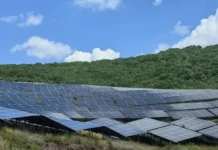
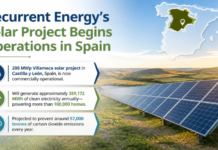
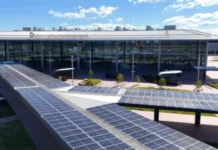
















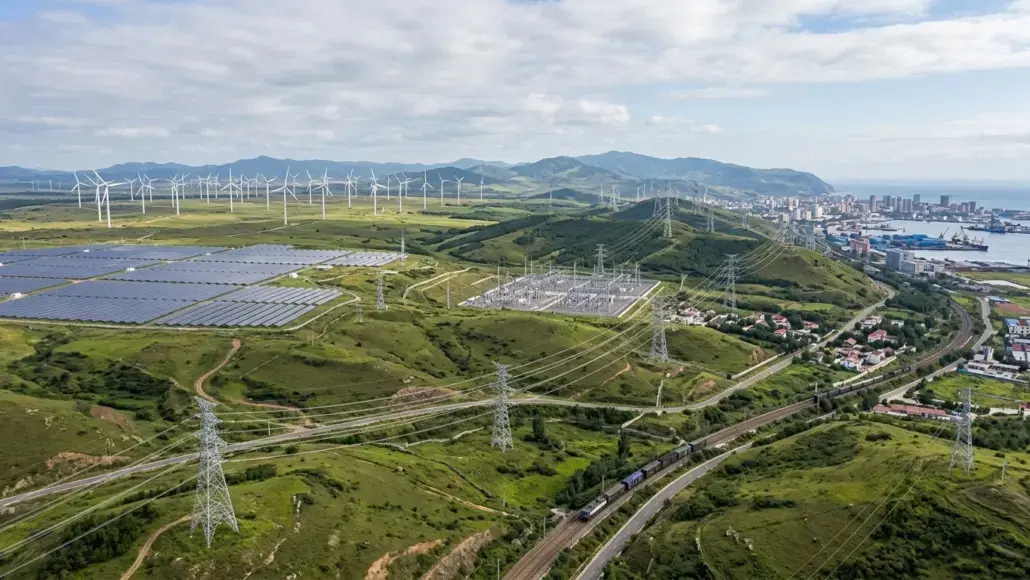

The transition from a fossil-fuel-dependent economy to one powered primarily by clean, renewable energy is undoubtedly the defining challenge of the 21st century. While news headlines often focus on the installation of massive offshore wind farms or sprawling solar arrays, the most critical work of this transition happens behind the scenes, within the complex wires and circuits that constitute our global electrical infrastructure. This is the multifaceted process of electrification the systematic replacement of aging technologies that rely on combustion with modern ones that utilize electricity. From the cars we drive to the ways we heat our homes and run our heavy industries, electrification technologies energy shift represents a total and necessary reimagining of our relationship with power. By moving away from burning carbon-intensive molecules and toward the efficient movement of electrons, we are creating a cleaner, more efficient, and more controllable energy system for all.
The Technological Core of the Global Electric Revolution
At the very heart of the electrification movement is the rapidly advancing field of power electronics. Every single time we move energy from a solar panel into a battery, or from a high-capacity battery into an electric motor, we rely on advanced semiconductors to manage and convert that flow. In the context of electrification technologies energy shift, the development of ultra-high-efficiency converters and inverters is of paramount importance. These sophisticated devices allow us to take the variable and often intermittent power generated by the sun and wind and “tame” it into the precise, high-quality electricity required by our modern grid.
The widespread adoption of silicon carbide (SiC) and gallium nitride (GaN) semiconductors has significantly reduced the amount of energy lost as heat during these vital conversions. This makes electrification not only more environmentally friendly but also more economically competitive with traditional fossil fuels. These materials allow for smaller, more efficient cooling systems, which in turn leads to lighter and more compact devices. As these components become more affordable through mass production, they are enabling the electrification of everything from residential appliances to massive industrial machinery, ensuring that the energy shift is both technically feasible and financially sustainable.
Smart Grids: The Intelligent Nervous System of the Energy Shift
A traditional power grid is essentially a “one-way” street, designed to carry electricity from a few central power plants directly to the consumer. For the global energy shift to be truly successful, the grid must evolve into a “two-way,” highly intelligent network a smart grid. This evolution involves the deep integration of advanced sensors, high-speed communication systems, and automated controllers that can manage the immense complexity of millions of distributed energy resources.
Electrification technologies energy shift depends heavily on this digital layer of intelligence. Smart grids allow for “demand-side management,” where smart appliances and industrial machines can automatically adjust their power consumption based on the real-time availability of renewable energy. For example, a smart water heater might “choose” to heat up when wind power is abundant and cheap at 3:00 AM, effectively acting as a decentralized thermal battery for the utility grid. This level of coordination is essential for balancing the grid as we move away from the steady, predictable output of coal and gas plants and toward the more variable output of wind and solar.
Electric Vehicle Infrastructure and the Rise of Grid Integration
Transportation remains one of the largest and most challenging sources of carbon emissions globally, and its total electrification is a massive undertaking. Beyond the engineering of the vehicles themselves, we must build a vast and reliable network of charging infrastructure that is accessible to everyone. Electrification technologies energy shift is clearly visible in the rapid rollout of ultra-fast DC chargers and the development of innovative wireless charging solutions that could one day charge a car while it is driving.
However, the true, untapped potential of electric vehicles (EVs) lies in their role as “batteries on wheels.” Through Vehicle-to-Grid (V2G) technology, millions of electric cars can be utilized to store excess renewable energy during the sunny or windy hours of the day and feed that power back into the utility grid during the evening peak. This transformation of the vehicle from a passive energy consumer into an active, distributed grid asset is a cornerstone of a resilient and electrified future. It provides the grid with much-needed flexibility and gives EV owners a way to generate revenue from their vehicles while they are parked.
Decarbonizing Heavy Industry and Residential Heating
While electric cars capture much of the public attention, the electrification of heat is equally, if not more, important for meeting global climate targets. In the residential and commercial sectors, air-source and ground-source heat pumps are rapidly replacing traditional oil and gas boilers. These devices are remarkably efficient because they do not “create” heat through combustion; instead, they use electricity to move heat from the outside air or ground into the building. They can often provide three to four units of heating for every one unit of electricity they consume.
In the heavy industrial sector, the challenge of electrification is even greater. High-temperature processes, such as those used in the production of steel, cement, and chemicals, have traditionally relied on the intense heat of burning coal and gas. Now, new and innovative electrification technologies energy shift are emerging, such as industrial-scale electric arc furnaces and high-temperature heat pumps. By electrifying these “hard-to-abate” sectors, we can significantly reduce the carbon footprint of the basic materials that build our modern world. This transition requires not just new equipment, but a fundamental change in industrial workflows to accommodate the characteristics of electric heating.
The Essential Role of Energy Storage in Balancing the Shift
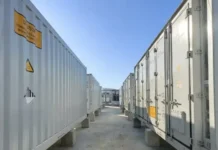
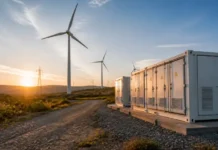
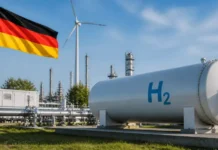
Because wind and solar energy do not produce power around the clock, energy storage is the absolutely essential partner of the electrification movement. Lithium-ion batteries have led the way in recent years, but they are only part of a much larger story. Electrification technologies energy shift involves a diverse and growing portfolio of storage solutions, each suited to a different need. This includes flow batteries for long-duration industrial storage, pumped-hydro systems for massive utility-scale storage, and even “green hydrogen.”
When excess renewable electricity is used to split water molecules into hydrogen and oxygen through a process called electrolysis, the resulting hydrogen can be stored in tanks and later burned in a turbine or used in a fuel cell to produce electricity again. This allows for the “seasonal storage” of energy saving the abundance of the summer sun for the dark, windless days of mid-winter. Without these diverse storage technologies, an electrified grid would be unable to provide the 24/7 reliability that modern society demands.
Overcoming the Resilience and Cyber-Security Challenges
As we move toward a power grid that is dominated by power electronics rather than massive rotating machinery, we face significant new challenges in grid stability and resilience. Large fossil-fuel plants provide a physical property called “inertia,” which helps the grid naturally resist sudden changes in frequency. To replicate this critical function in a fully electrified world, we use sophisticated “grid-forming inverters” that can provide what is known as synthetic inertia through software control.
Electrification technologies energy shift must also address the growing risk of cyberattacks on our increasingly digitalized and interconnected energy infrastructure. Ensuring that our smart grids are as secure as they are efficient is a top priority for engineers, security experts, and national policymakers. The ultimate goal is to create a “self-healing” grid that can automatically detect and isolate faults whether they are caused by a storm or a malicious actor and reroute power instantly, thereby minimizing the impact on consumers and critical services.
The Socio-Economic Impact of the Electrified Future
The shift toward total electrification is about much more than just changing our hardware; it is about people, communities, and national economies. By moving away from imported fossil fuels and toward locally generated, renewable electricity, countries can dramatically improve their energy security and reduce their exposure to the volatile and often politically charged global oil and gas markets.
Electrification technologies energy shift also creates a massive and sustained demand for a new generation of skilled labor from the electricians and technicians who install heat pumps and EV chargers to the engineers who design the next generation of high-power converters. Furthermore, the localized and distributed nature of renewable energy means that the economic benefits of power generation can be more widely and equitably distributed, revitalizing rural and formerly industrial communities that have been left behind by the centralized fossil-fuel energy model. This transition is an opportunity to create a more democratic and participatory energy system.
In conclusion, the total electrification of our global society is a monumental task that requires unprecedented innovation, investment, and international cooperation. Electrification technologies energy shift are the essential tools we need to build a future that is sustainable, equitable, and resilient for all. By continuing to push the limits of efficiency in our power electronics, the intelligence of our smart grids, and the capacity of our diverse energy storage systems, we are laying the firm foundation for a new era of human prosperity and environmental health. The transition may be complex, and the technical challenges may be many, but the final destination a world powered by clean, abundant, and accessible electricity is well worth every effort. As we accelerate this shift, we are not just changing how we power our lives; we are fundamentally changing the nature of our environmental and technological legacy for generations to come.