







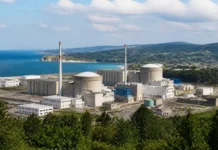
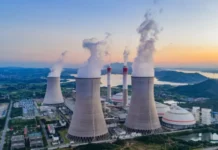


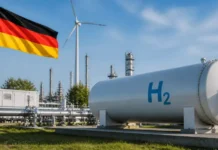
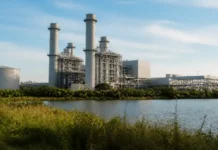

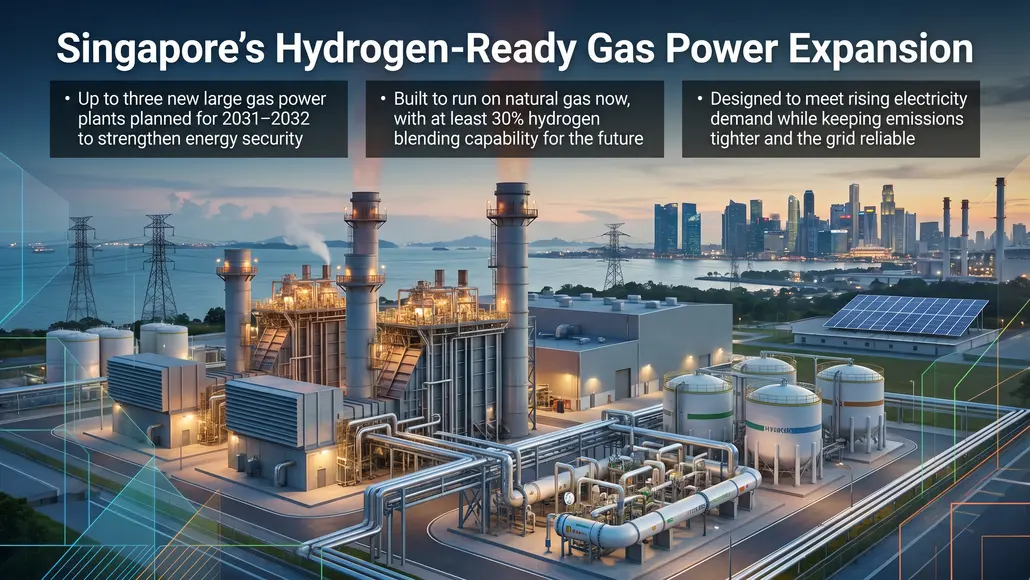

Singapore is advancing its long-term power generation strategy with plans to build up to three additional hydrogen-compatible natural gas power plants by 2032, as part of a broader hydrogen-ready power plants expansion aimed at ensuring energy security and supporting future decarbonisation. The initiative, led by the Energy Market Authority (EMA), reflects the country’s continued reliance on natural gas as a transition fuel while integrating hydrogen capabilities into its generation infrastructure.
New Capacity Targets and Tender Framework
The EMA has issued a request for proposals inviting private sector participation to develop one combined cycle gas turbine plant of at least 600MW capacity by 2031, with the option to build up to two additional plants by early 2032. Each facility under the hydrogen-ready power plants programme must be capable of operating with at least 30% hydrogen by volume and meet strict emissions thresholds of 0.355 metric tons of CO2-equivalent per MWh at a 75% load factor.
Proposals for the 2031 plant are due by June 24, 2026, while submissions for the 2032 projects are expected by September 30. The EMA has also mandated that bidders demonstrate financial capability, with no revenue support mechanisms provided under the tender.
Key Project Specifications
- Minimum capacity requirement: 600MW per plant
- Hydrogen compatibility: At least 30% hydrogen blending capability
- Emissions intensity cap: 0.355 tCO2e/MWh
- Operational timelines: One plant by 2031; up to two by 2032
- Submission deadlines: June 24, 2026 (2031 plant), September 30, 2026 (2032 plants)
Demand Growth and Capacity Planning
Singapore’s electricity demand is projected to grow at a compound annual rate of 2.4% to 4.8% over the next decade, driven largely by energy-intensive industries such as semiconductors and data centres. Peak demand is expected to rise from around 8GW in 2025 to between 9.6GW and 11.4GW by 2031.
According to EMA projections, the reserve margin could fall below the required 27% threshold from 2031 onward without additional generation capacity. This underlines the urgency of commissioning new power plants to maintain system reliability and prevent supply constraints.
Role of Natural Gas in Transition Strategy
Despite ongoing investments in solar, electricity imports, and exploration of nuclear energy, natural gas continues to play a central role in Singapore’s energy mix. In the first half of 2025, approximately 93% of the country’s electricity was generated using natural gas.
The EMA has emphasised that gas-fired plants remain essential for delivering stable baseload power, particularly as intermittent renewable sources scale up. The integration of hydrogen capability into these plants is intended to future-proof assets as hydrogen becomes commercially viable.
Power Info Today notes that embedding hydrogen compatibility at the design stage allows infrastructure developers to avoid costly retrofits while aligning with evolving emissions standards and fuel transition pathways.
Integration with Existing and Planned Infrastructure
By 2032, Singapore is expected to operate at least 11 hydrogen-ready natural gas power plants, including four completed in 2025 and two additional 600MW facilities scheduled for launch in 2026 by Keppel and Sembcorp.
The current fleet of 31 power plants is further supported by fast-start backup units, including installations by PacificLight Power and EMA subsidiary Meranti Power, designed to respond rapidly to supply shortfalls.
Policy and Market Implications
The initiative builds on a centralised planning framework introduced in 2023, under which the EMA forecasts electricity demand on a rolling 10-year basis and initiates capacity tenders when supply gaps are identified. This approach aims to prevent both under- and over-investment in generation infrastructure.
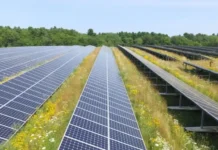
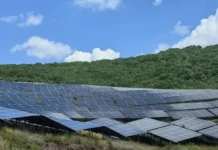
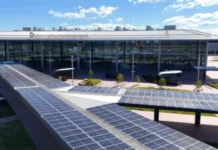
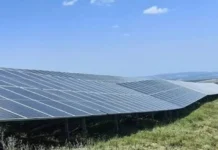
Additionally, Singapore’s solar capacity reached 2,093MW in 2025, with a national target of 3GW by 2030. However, due to intermittency, solar is expected to contribute around 600MW of effective capacity, reinforcing the continued need for dispatchable gas-fired generation.
From a market perspective, the absence of revenue guarantees signals a competitive procurement model that prioritises financially robust developers capable of delivering large-scale, low-emission infrastructure.
Strategic Outlook for Power Generation
EMA chief executive Puah Kok Keong stated that the new plants will “underpin the stable baseload power needed to support our transition to a cleaner energy future.” The emphasis on hydrogen readiness positions Singapore to gradually integrate low-carbon fuels without compromising grid stability.
Power Info Today highlights that the move reflects a pragmatic balance between decarbonisation goals and operational reliability, particularly in a market where industrial demand continues to expand.