
















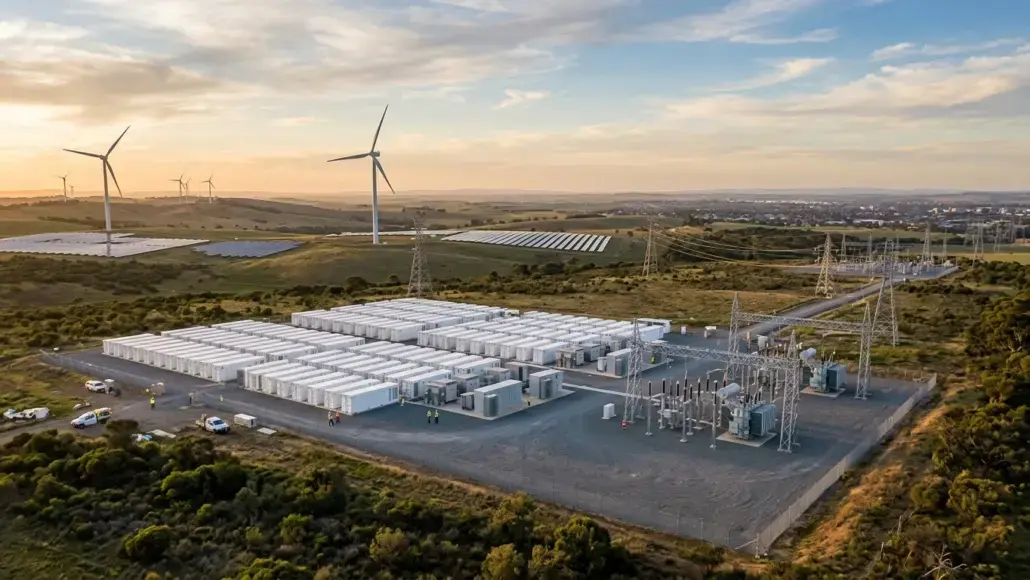

The global energy transition has reached a pivotal juncture where the pace of renewable energy deployment is frequently outpacing the capacity of traditional grid infrastructure to absorb it. In this context, energy storage systems for utility expansion have emerged as the indispensable catalyst for growth. As utilities around the world strive to meet aggressive decarbonization targets while simultaneously catering to an ever-growing demand for electricity, the role of storage has shifted from a niche application to a central pillar of energy strategy. Without the ability to store energy and deploy it when it is most needed, the vision of a fully renewable-powered future remains frustratingly out of reach.
Utility expansion in the modern era is no longer just about building more transmission lines or commissioning larger power plants; it is about creating a flexible, intelligent network capable of managing the inherent volatility of wind and solar power. Energy storage systems provide the necessary buffer that allows for this flexibility. By capturing excess generation during periods of low demand and releasing it during peak hours, storage technologies ensure that clean energy is never wasted. This capability is fundamental to maintaining grid stability and preventing the curtailment of renewable resources, which has historically been a significant barrier to large-scale green energy adoption.
The Evolution of Utility-Scale Battery Storage
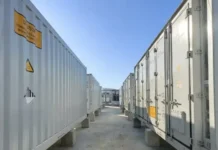
The rapid advancement of battery storage technology has been a game-changer for the utility sector. Lithium-ion batteries, which have benefited from massive economies of scale driven by the electric vehicle industry, currently dominate the market. However, the scope of energy storage systems for utility expansion is broadening to include a variety of chemistries and mechanical solutions. Long-duration energy storage (LDES) technologies, such as flow batteries, compressed air energy storage, and thermal storage, are becoming increasingly vital as utilities seek to manage energy over days or even weeks, rather than just hours.
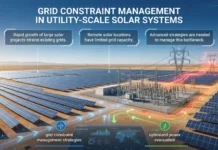
As battery storage becomes more affordable and efficient, its integration into the utility footprint is accelerating. These systems are being deployed at strategic points within the network to alleviate congestion and provide “virtual” transmission capacity. Instead of building expensive new power lines, utilities can use localized battery storage to manage peak loads and improve the overall efficiency of the existing infrastructure. This approach not only saves billions in capital expenditure but also allows for a more rapid and responsive utility expansion that can keep pace with local development and industrial growth.
Strengthening Grid Stability and Renewable Integration
Grid stability is perhaps the most critical service provided by energy storage systems. In a traditional power system, stability was maintained by the inertia of large spinning turbines in fossil fuel or nuclear plants. As these plants are retired and replaced by inverter-based renewables like solar and wind, the grid loses that natural inertia. Energy storage systems, equipped with advanced power electronics, can provide synthetic inertia and fast frequency response, reacting in milliseconds to balance the grid. This high-speed response is essential for preventing blackouts and ensuring a reliable supply of electricity in an increasingly complex operating environment.
Moreover, the challenge of renewable integration is directly addressed by the deployment of storage at scale. Solar and wind are variable by nature, and their peak production rarely aligns perfectly with peak consumption. Energy storage systems for utility expansion act as a bridge, smoothing out the fluctuations and ensuring a steady flow of power. By pairing large-scale solar farms with co-located battery storage, developers can create “dispatchable” renewable plants that behave much like traditional baseload power, providing a reliable and predictable source of energy to the grid. This synergy is fundamental to the continued growth of the green energy sector.
Advanced Power Management and Operational Flexibility
Effective power management in a modern utility requires a level of precision that was previously unattainable. The integration of energy storage systems allows operators to manage the network with unprecedented granularity. Through sophisticated software platforms, utilities can orchestrate thousands of distributed storage assets, creating what is known as a Virtual Power Plant (VPP). These VPPs can be used to provide a range of grid services, from voltage regulation to peak shaving, all while maximizing the value of the stored energy. This operational flexibility is key to managing a grid that is becoming more decentralized and consumer-driven.
The benefits of these systems extend beyond technical performance; they also offer significant economic advantages. By reducing the reliance on expensive “peaker” plants which are often carbon-intensive and only run for a few hours a year energy storage can lower the overall cost of electricity for consumers. Furthermore, storage provides a hedge against the price volatility of fossil fuels, as it allows utilities to store energy when it is cheap (often from renewables) and use it when market prices are high. This economic resilience is a vital component of successful energy storage systems for utility expansion, ensuring that the transition to clean energy is both sustainable and affordable.
Future Horizons in Energy Storage Infrastructure
Looking ahead, the expansion of energy storage capacity is set to continue its exponential growth. Governments and regulatory bodies are increasingly recognizing the strategic importance of storage, implementing mandates and incentives to encourage deployment. We are also seeing a shift toward more integrated infrastructure planning, where storage is considered a primary asset alongside generation and transmission. The development of regional “storage hubs” and the repurposing of retired power plant sites for large-scale battery installations are clear indicators of this trend.
Innovation in materials science and manufacturing will continue to drive down costs and improve the performance of energy storage systems for utility expansion. Emerging technologies like solid-state batteries and innovative hydrogen storage solutions promise to offer even greater energy density and safety. As these technologies mature, they will further enhance the grid’s ability to handle 100% renewable energy penetration. The journey toward a modernized utility sector is inextricably linked to the evolution of storage, making it the most critical technology for the energy landscape of the 21st century.
Beyond the technical and economic metrics, the environmental and social implications of energy storage systems for utility expansion are gaining significant attention. The industry is moving toward “circular economy” models, where the lifecycle of batteries from mineral extraction to end-of-life recycling is managed with a focus on sustainability. New regulations are being introduced to ensure that the lithium, cobalt, and nickel used in battery storage are sourced responsibly and that systems are designed for easy disassembly and component reuse. Furthermore, the deployment of storage in underserved or remote communities is proving to be a powerful tool for energy equity. By providing reliable back-up power and enabling local renewable microgrids, energy storage systems for utility expansion are helping to close the energy access gap and foster economic resilience in regions that have historically been vulnerable to grid instability. This holistic approach ensures that the growth of the storage sector contributes to a more just and sustainable global energy system.