



















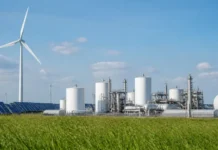

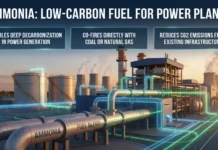
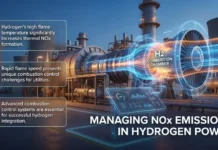



The discourse surrounding the global energy transition has often focused heavily on the electrification of the power sector and the retirement of coal-fired generation. However, a significant and equally transformative shift is occurring within the natural gas industry. As nations strive to reach net-zero emissions, the traditional role of methane is being challenged, leading to a profound evolution where renewable integration in gas infrastructure is no longer an experimental concept but a strategic imperative. This shift is reshaping how we think about energy transport, storage, and the very molecular makeup of the fuels flowing through our massive network of underground pipelines.
For decades, gas infrastructure has been the reliable backbone of heating, industrial processes, and peak power generation. The existing network represents trillions of dollars in sunk capital and provides an unparalleled capacity for seasonal energy storage—a feat that battery technology cannot currently match at scale. Recognizing this value, energy leaders are increasingly looking at ways to “green” this infrastructure rather than abandon it. By integrating renewable gases like biomethane and green hydrogen, the industry is finding a path to maintain the utility of its assets while aligning with stringent climate goals. This process is complex, involving significant technical, regulatory, and economic hurdles, yet it remains one of the most promising avenues for achieving a comprehensive energy transition.
The Rise of Biomethane and Sustainable Gas Operations
The first step in the renewable integration in gas infrastructure is often the adoption of biomethane. Derived from organic waste such as agricultural residues, food waste, and sewage sludge biomethane is chemically identical to natural gas but boasts a significantly lower carbon footprint. Because it is a “drop-in” fuel, it can be injected directly into existing gas grids without requiring expensive modifications to the infrastructure or the end-user’s appliances. This makes it an ideal early-stage solution for sustainable operations, allowing gas utilities to immediately begin lowering the carbon intensity of their supply.
As biomethane production scales up, it is fostering a more circular energy economy. For instance, agricultural regions can now transform their waste products into a valuable energy commodity, which is then transported through existing pipelines to urban centers. This not only reduces methane emissions from decomposing waste but also provides a renewable source of dispatchable energy that can complement variable wind and solar power. The integration of these clean energy systems requires sophisticated monitoring and gas quality management to ensure that the blend remains within safe operational limits, but the technology to manage this is rapidly maturing, paving the way for a more resilient and sustainable gas network.
Repurposing Pipelines for the Hydrogen Economy
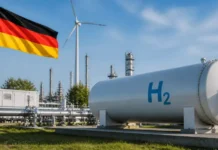
While biomethane offers a quick win, the long-term vision for renewable integration in gas infrastructure increasingly centers on hydrogen. Green hydrogen, produced via electrolysis using renewable electricity, is seen as the “Swiss Army knife” of the energy transition, capable of decarbonizing heavy industry, shipping, and long-haul transport. However, transporting hydrogen is more challenging than transporting natural gas due to its small molecular size and the potential for metal embrittlement. This is where the strategic repurposing of existing gas infrastructure becomes critical.
Ongoing research and pilot projects are demonstrating that many existing gas pipelines can safely carry a blend of hydrogen and natural gas typically up to 20% by volume with minimal modifications. For higher concentrations or pure hydrogen transport, some pipelines may need to be retrofitted with specialized coatings or replaced entirely with more compatible materials. This “Hydrogen Backbone” concept, which is gaining significant traction in Europe and North America, aims to create a pan-continental network for transporting green hydrogen from production hubs to industrial clusters. By leveraging the existing rights-of-way and portions of the current gas infrastructure, the cost and time required to build this new energy system can be drastically reduced, accelerating the overall energy transition.
Enhancing Grid Flexibility and Clean Energy Systems
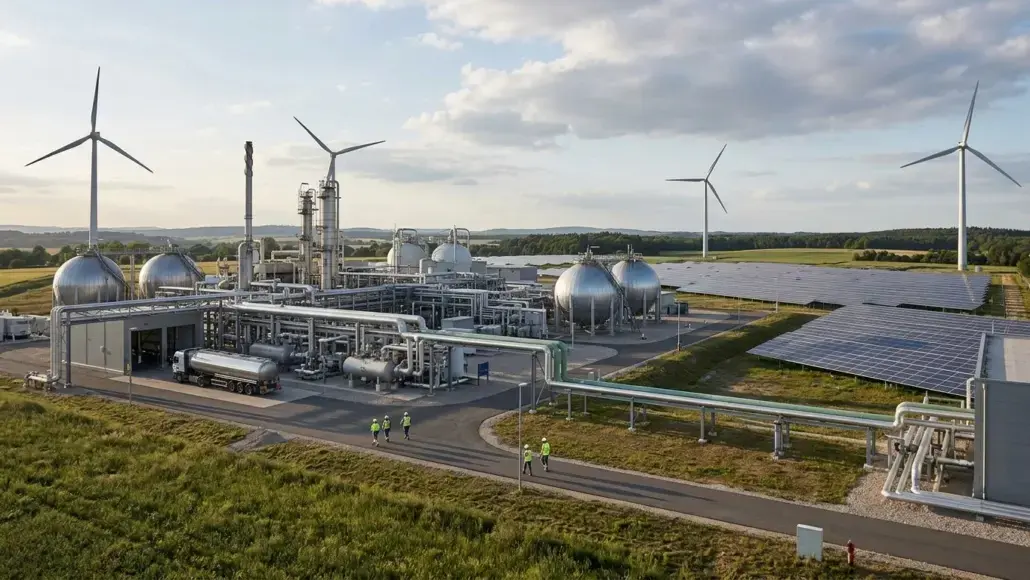
One of the most valuable attributes of gas infrastructure is its ability to provide flexible, large-scale energy storage. As renewable integration in gas infrastructure progresses, this storage capacity becomes even more vital. Power-to-Gas (P2G) technology allows excess renewable electricity which would otherwise be wasted to be converted into hydrogen or synthetic methane and stored in the gas grid. This essentially turns the gas network into a massive battery, capable of storing energy for months at a time. This synergy between the electric and gas sectors is the hallmark of modern clean energy systems, providing the high-level flexibility needed to manage a grid dominated by intermittent renewables.
This interconnectedness also enhances the resilience of the overall energy system. During extreme weather events, such as winter storms where solar and wind output may be low and demand for heating is high, the stored energy in the gas infrastructure can be called upon to provide the necessary heat and power. This hybrid approach ensures that the pursuit of sustainability does not come at the expense of energy security. By integrating these systems, we are moving away from silos of energy delivery and toward a more holistic, integrated energy network where gas and electricity work in tandem to provide reliable, low-carbon service.
Regulatory Frameworks and the Future of Gas Utilities
The technical feasibility of renewable integration in gas infrastructure must be matched by supportive regulatory frameworks. Historically, gas regulations were designed for a world of fossil fuels and centralized supply. Today, regulators are being tasked with creating new rules that incentivize the production of renewable gases, establish clear standards for gas quality and blending, and allow utilities to recover the costs of infrastructure retrofits. This policy evolution is essential for providing the investment certainty needed to fund the multibillion-dollar projects required for the energy transition.
Furthermore, the very business model of the gas utility is changing. Companies that once focused solely on the sale and delivery of natural gas are transforming into “energy infrastructure providers.” These entities are increasingly involved in carbon capture and storage (CCS) projects, hydrogen production, and the management of decentralized biomethane sources. The move toward sustainable operations is not just about changing the fuel source; it’s about reinventing the entire value chain to be compatible with a net-zero world. As we look toward 2030 and beyond, the gas infrastructure we see will likely be a high-tech, multi-fuel network that is an essential partner in the global effort to combat climate change.
The economic incentives for this transformation are becoming increasingly clear. For gas infrastructure owners, the shift toward renewable integration is a matter of asset preservation. Without a viable path to decarbonization, these trillions of dollars in pipelines and storage facilities risk becoming “stranded assets” investments that lose their value before their useful life is over. By transitioning to hydrogen and biomethane, utilities can secure a long-term role in the energy system, protecting both their shareholders and the millions of workers employed in the gas industry. Moreover, the integration of these cleaner energy systems opens up new revenue streams, from selling “green” gas certificates to providing storage services to the electric grid. This financial pragmatism, combined with a genuine commitment to sustainability, is driving a level of innovation and investment that is fundamentally reshaping the future of gas infrastructure on a global scale.