





























The rapid proliferation of intermittent renewable energy sources, such as solar and wind, has necessitated a parallel advancement in energy storage technologies. However, a battery alone cannot power a home or stabilize a grid; it requires a sophisticated intermediary to manage the flow of electricity. Energy storage systems power electronics represent this vital link, providing the conversion, control, and management necessary to turn raw chemical energy into usable electrical power. As we move toward a carbon-neutral future, the synergy between energy storage and power electronics has become one of the most important technological frontiers, enabling the reliability and flexibility that modern energy grids demand.
The primary function of power electronics in an energy storage system (ESS) is to manage the bidirectional flow of electricity. Batteries store energy as Direct Current (DC), while most of our infrastructure and appliances operate on Alternating Current (AC). This means that every time energy is stored or retrieved, it must pass through a conversion stage. The efficiency of these conversions performed by inverters and DC/DC converters is paramount. Even a 1% loss in efficiency can result in massive amounts of wasted energy when scaled across gigawatt-hour installations. Consequently, the push for energy storage systems power electronics is centered on maximizing “round-trip efficiency” to ensure that as much energy as possible is recovered from the storage medium.
The Critical Role of Battery Management Systems (BMS)
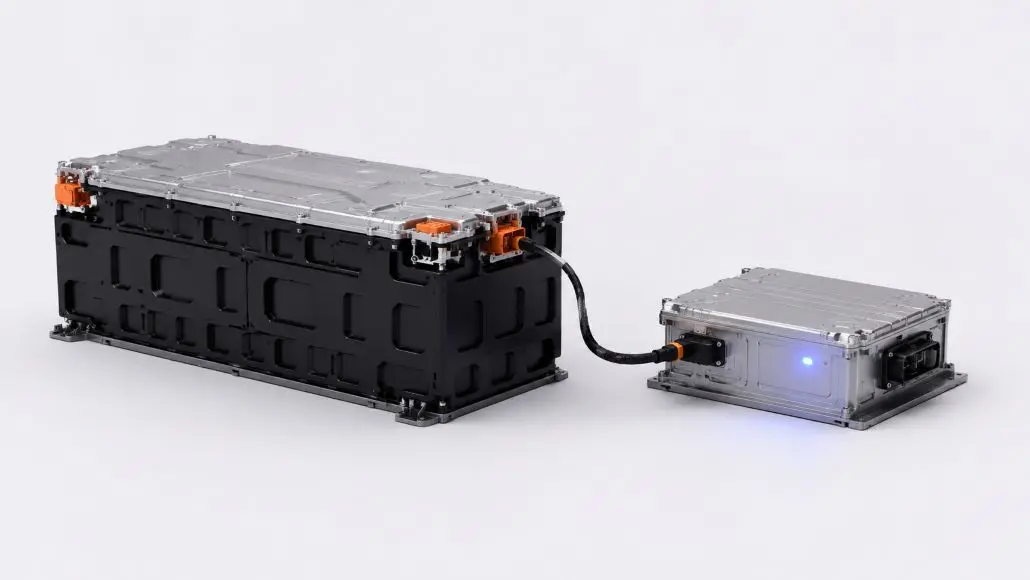
At the heart of every modern energy storage system is the Battery Management System (BMS), a complex array of power electronics and software that monitors the state of every individual cell in a battery pack. Batteries are sensitive devices; they must be kept within specific voltage, current, and temperature ranges to operate safely and effectively. The BMS uses high-precision sensors and digital controllers to balance the charge between cells, prevent overcharging or deep discharging, and monitor for signs of thermal runaway. This level of granular control is essential for ensuring the long-term health and safety of the battery system, especially as we move toward higher-capacity chemistries like lithium-ion and solid-state batteries.
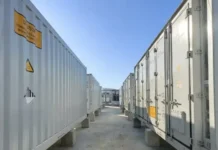
In large-scale grid storage, the BMS must coordinate the operation of thousands of cells simultaneously. This requires advanced communication protocols and distributed power electronics architectures. By integrating power conversion stages closer to the battery modules a trend known as “distributed power conversion” engineers can improve the fault tolerance of the overall system. If one battery string or inverter fails, the rest of the system can continue to operate, ensuring that the grid support services remain available. This modularity is a hallmark of modern energy storage systems power electronics, providing the redundancy and reliability required for critical infrastructure.
Grid Support and Frequency Regulation
Beyond simple energy storage, ESS units equipped with advanced power electronics are now providing essential services that were once the sole domain of large fossil-fuel plants. Frequency regulation is a prime example. The grid must maintain a constant frequency (e.g., 50Hz or 60Hz) to operate correctly. When demand exceeds supply, the frequency drops; when supply exceeds demand, it rises. Energy storage systems can respond to these fluctuations in milliseconds, injecting or absorbing power to keep the frequency stable. This rapid response time is orders of magnitude faster than traditional gas turbines, making energy storage a superior tool for grid stability.
Furthermore, advanced power electronics enable “synthetic inertia”—a feature that mimics the mechanical inertia of large spinning generators. As we retire traditional power plants, the grid loses its natural ability to resist sudden changes in frequency. Power electronics can bridge this gap by intelligently controlling the output of the ESS to provide an immediate resistive response to disturbances. This capability is vital for maintaining renewable reliability, as it allows for a higher penetration of wind and solar without risking grid collapse. The intelligence baked into the power electronics ensures that energy storage is not just a passive reservoir but an active participant in grid management.
Thermal Management and Safety in Storage Systems
Safety is perhaps the most significant challenge in the design of energy storage systems, particularly those using lithium-ion technology. The high energy density of these batteries means that a failure can lead to intense fires that are difficult to extinguish. Thermal management power electronics are integrated into the ESS to monitor and control the cooling systems, ensuring that the batteries remain within their optimal temperature range. This is often achieved through a combination of liquid cooling plates, fans, and sophisticated thermal modeling software that can predict heating patterns based on current load and ambient conditions.
In addition to thermal control, power electronics provide electrical protection through high-speed circuit breakers and “smart” fuses. These components can isolate a faulty battery module in microseconds, preventing an electrical short from cascading through the entire system. By combining physical protection with digital monitoring, energy storage systems power electronics create a multi-layered safety net. This is particularly important for residential storage systems installed in homes, where safety and reliability are non-negotiable. As storage technology continues to mature, we can expect to see even more advanced protection features, such as AI-driven anomaly detection, integrated directly into the power electronics.
The Future of Storage: Second-Life Batteries and VPPs
As the first generation of electric vehicles reaches the end of its life, a massive supply of “second-life” batteries is becoming available. These batteries may no longer have the energy density required for a car, but they are perfectly suitable for stationary energy storage. However, integrating batteries of different ages, health levels, and even chemistries into a single system presents a significant challenge for power electronics. Advanced DC/DC converters and sophisticated BMS algorithms are being developed to handle these variations, allowing second-life batteries to be reused effectively. This not only improves the sustainability of the battery lifecycle but also reduces the cost of energy storage.
Finally, the integration of energy storage systems into Virtual Power Plants (VPPs) is redefining our relationship with electricity. By aggregating thousands of small-scale residential and commercial storage systems, a VPP can act as a single, massive battery for the grid. Power electronics and cloud-based software coordinate the charging and discharging of these distributed assets to maximize efficiency and support the grid during periods of peak demand. This decentralized approach to storage, enabled by energy storage systems power electronics, is the key to creating a resilient, efficient, and truly green energy future.