
































The global transition to renewable energy has created an unprecedented demand for photovoltaic (PV) components, but it has also revealed significant vulnerabilities in the international energy landscape. For years, the production of solar panels and their constituent materials such as polysilicon, wafers, and cells has been concentrated in a few specific geographic regions. While this centralization initially helped drive down costs, it has also created a solar supply chain that is susceptible to geopolitical tensions, trade disputes, and logistics bottlenecks. To address these risks, nations are increasingly focusing on domestic solar manufacturing as a cornerstone of their energy security strategy. By establishing localized production capabilities, countries can ensure a steady and reliable flow of clean energy technology, insulating their economies from external shocks while driving local economic growth.
The move toward energy independence through renewable manufacturing is not merely a defensive posture it is a proactive investment in the future of the global economy. A robust domestic manufacturing base allows for greater control over product quality, environmental standards, and labor practices. Furthermore, it creates a “virtuous cycle” of innovation, where proximity between researchers, manufacturers, and project developers accelerates the commercialization of next-generation technologies. As the world moves toward a decarbonized future, the nations that possess the ability to produce their own solar infrastructure will be the ones that lead the 21st-century energy market.
Securing the Solar Supply Chain through Localized Production
A primary benefit of domestic solar manufacturing is the drastic reduction in supply chain complexity. When a nation relies on imports for critical energy components, it is at the mercy of global shipping schedules and port congestion. By moving production closer to the point of installation, developers can significantly reduce lead times and logistics costs. Localized production also minimizes the carbon footprint associated with transporting heavy and fragile solar panels across oceans, making the clean energy transition even more environmentally efficient. This “onshoring” of the supply chain is essential for meeting the aggressive installation targets required to achieve climate goals, as it ensures that the necessary hardware is available exactly when and where it is needed.
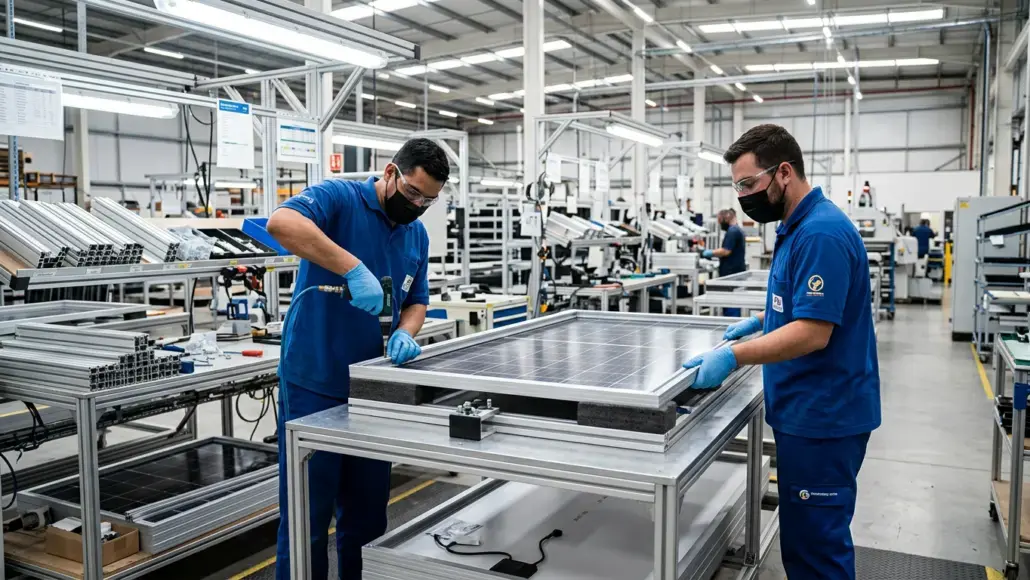
Moreover, building out domestic solar factories allows for the diversification of the upstream supply chain. Most solar modules today are made from crystalline silicon, which requires a multi-stage manufacturing process starting with high-purity polysilicon. Historically, the production of this material has been dominated by a small number of massive facilities. Domestic manufacturing initiatives often include incentives for building new polysilicon refineries and wafer fabrication plants, creating a truly integrated national industry. This vertical integration not only strengthens the energy supply but also creates a more resilient economic ecosystem that is less vulnerable to the “bullwhip effect” where small changes in consumer demand lead to massive fluctuations in the upstream supply.
Economic Revitalization and the Growth of Renewable Manufacturing
The establishment of large-scale domestic solar manufacturing facilities is a powerful engine for job creation and economic revitalization. A single modern solar gigafactory can employ thousands of skilled workers, from production line technicians and engineers to logistics specialists and administrative staff. Beyond direct employment, the presence of a major manufacturing hub attracts a “cluster” of secondary businesses, including material suppliers, equipment maintenance firms, and specialized software developers. This ripple effect can transform stagnant industrial regions into thriving centers of the green economy, providing long-term stability and high-wage opportunities in communities that may have been left behind by previous economic shifts.
Furthermore, domestic manufacturing is a key driver of technological sovereignty. When a nation develops its own manufacturing processes, it builds a deep reservoir of intellectual property and technical expertise. This allows local firms to lead in the development of high-efficiency cells, such as TOPCon or HJT architectures, and to pioneer new applications like building-integrated photovoltaics (BIPV). By maintaining a leadership position in solar innovation, a country can ensure its energy infrastructure remains world-class while exporting its advanced technologies to a global market hungry for efficiency. This transition from being a consumer of technology to a producer of high-value energy solutions is the hallmark of a successful national industrial strategy.
Policy Frameworks and the Path to Energy Independence
The resurgence of domestic solar manufacturing is being supported by a new wave of industrial policy. In many countries, governments are providing a combination of direct grants, tax credits, and low-interest loans to help companies overcome the high capital requirements of building new factories. These policies are often structured to reward the use of domestic content, creating a strong market pull for locally made components. For example, the Inflation Reduction Act in the United States has triggered a massive wave of investment in new solar manufacturing capacity, showing how targeted incentives can rapidly shift the geographic center of an industry. Similar efforts are underway in India, the European Union, and beyond, as nations recognize that energy independence is inseparable from manufacturing capability.
However, the long-term success of these initiatives depends on more than just subsidies it requires a holistic approach to workforce development and infrastructure. Training the next generation of renewable manufacturing experts is essential for maintaining a competitive edge. This involves partnerships between government, academia, and private industry to create specialized vocational programs and research centers. Additionally, ensuring that these new factories have access to clean, affordable electricity and robust transportation networks is vital for their operational success. When these elements are aligned, domestic solar manufacturing becomes a self-sustaining powerhouse that provides a secure energy supply for generations to come.
In conclusion, domestic solar manufacturing is the key to building a resilient and secure energy future. By localizing the production of critical clean energy technology, we can mitigate the risks of a volatile global supply chain and ensure that the transition to renewables is a source of national strength and prosperity. The investment in domestic factories is an investment in energy independence, technological leadership, and the long-term health of the global economy. As we move forward, the strength of our energy supply will be measured not just by how much power we generate, but by our ability to build the machines that capture it.
Domestic solar manufacturing is rapidly becoming a strategic cornerstone for nations seeking to secure their energy supply and achieve long-term energy independence. By establishing localized production of photovoltaic modules and their constituent materials, countries can insulate themselves from the volatility and geopolitical risks of the global solar supply chain. This shift toward renewable manufacturing not only strengthens national security but also serves as a massive engine for economic growth, creating high-skilled jobs and revitalizing industrial regions. Modern policy frameworks are now providing the necessary incentives for companies to build integrated solar factories that encompass everything from polysilicon refining to final module assembly. This vertical integration ensures a more resilient ecosystem that can meet the growing demand for clean energy without relying on lengthy and fragile international logistics. Ultimately, a strong domestic manufacturing base fosters a culture of innovation and technological sovereignty, ensuring that the next generation of high-efficiency solar solutions is developed and produced locally, providing a stable foundation for a decarbonized global economy.