









































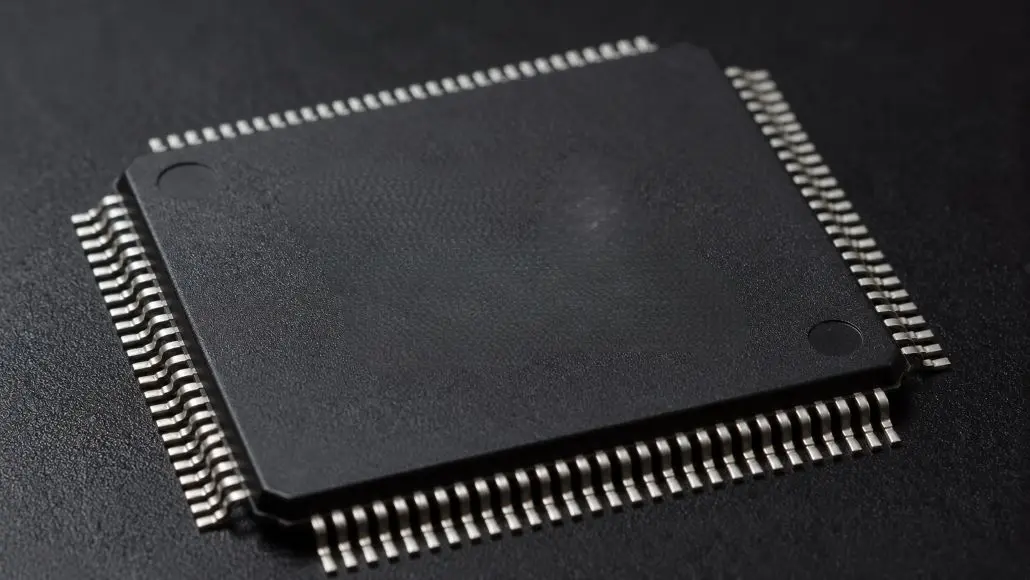

The global energy landscape is currently undergoing a radical transformation, fueled by the urgent need for decarbonization and the rapid electrification of transportation and industrial processes. At the heart of this transition lies the evolution of power electronics, a field traditionally dominated by silicon-based semiconductors. However, as we push the boundaries of energy density, switching speed, and thermal tolerance, silicon is increasingly reaching its physical limits. This has paved the way for the rise of Wide Bandgap (WBG) semiconductors, primarily Silicon Carbide (SiC) and Gallium Nitride (GaN). These materials possess electronic properties that allow them to operate at much higher voltages, temperatures, and frequencies than traditional silicon, making them the cornerstone of modern power conversion systems.
The fundamental advantage of wide bandgap semiconductors power efficiency lies in their atomic structure. In a semiconductor, the “bandgap” refers to the energy required to free an electron from its orbit around an atom to allow it to conduct electricity. While silicon has a bandgap of approximately 1.1 electronvolts (eV), materials like SiC and GaN have bandgaps in the range of 3.2 to 3.4 eV. This wider gap translates to a significantly higher breakdown electric field, which means components can be made much thinner and still withstand the same voltage. Thinner layers result in lower internal resistance, which directly reduces conduction losses the energy wasted as heat when electricity flows through the device.
The Role of Silicon Carbide in Heavy-Duty Applications
Silicon Carbide has emerged as the leading choice for high-voltage applications, particularly in the electric vehicle (EV) market and renewable energy infrastructure. The shift from 400V to 800V battery architectures in EVs is a prime example of where SiC shines. By utilizing SiC-based traction inverters, manufacturers can achieve up to 10% more range from the same battery pack. This efficiency gain stems from the material’s ability to switch on and off at much higher speeds with minimal energy loss. In a traditional silicon inverter, every switching cycle generates a small amount of heat; at high frequencies, these losses accumulate, requiring bulky cooling systems. SiC minimizes these “switching losses,” allowing for smaller, lighter, and more efficient inverters that can operate at higher temperatures.
Beyond automotive, SiC is revolutionizing the way we harvest and distribute renewable energy. Solar inverters and wind power converters benefit immensely from the increased switching frequencies enabled by SiC. High-frequency operation allows for the use of smaller inductors and capacitors, which reduces the overall size and weight of the equipment while simultaneously boosting the efficiency of the power conversion process. In large-scale solar farms, even a 1% or 2% increase in efficiency can result in gigawatts of additional energy delivered to the grid over the lifetime of the installation. Furthermore, the robust thermal properties of SiC ensure that these systems can operate reliably in harsh outdoor environments, reducing maintenance costs and improving the total cost of ownership.
Gallium Nitride and the Future of Consumer Electronics
While SiC dominates the high-voltage arena, Gallium Nitride is making massive strides in the mid-to-low voltage segments, particularly in consumer electronics and data centers. GaN technology is perhaps most visible to the public in the form of ultra-compact “fast chargers” for smartphones and laptops. These chargers are often half the size of their silicon predecessors but can deliver twice the power. This is because GaN allows for switching speeds that are orders of magnitude faster than silicon. By switching faster, the passive components within the charger specifically the transformers can be significantly reduced in size. This reduction in physical footprint does not come at the expense of efficiency; in fact, GaN chargers typically operate with much lower energy waste, staying cooler even during intensive charging sessions.
In the realm of data centers, the push for wide bandgap semiconductors power efficiency is driven by the sheer scale of energy consumption. Modern AI-driven workloads require enormous amounts of power, and every watt lost to heat in the power delivery chain must be compensated for by even more energy spent on cooling. GaN-based power supply units (PSUs) offer higher power density and better efficiency than traditional silicon units, enabling data center operators to pack more computing power into the same physical rack space. This transition is not just about saving money on electricity bills; it is about maximizing the utility of existing infrastructure and reducing the environmental footprint of the digital economy.
Overcoming Challenges in Manufacturing and Adoption
Despite the clear technical advantages, the widespread adoption of WBG semiconductors has faced hurdles, primarily related to cost and manufacturing complexity. Producing high-quality SiC and GaN wafers is more difficult and expensive than growing silicon crystals. The process requires higher temperatures and specialized equipment, leading to higher initial component prices. However, as production volumes increase and manufacturing yields improve, the “system-level” cost benefits are becoming undeniable. When an engineer can design a smaller cooling system, use fewer passive components, and achieve higher efficiency, the total cost of the end product often becomes competitive with, if not cheaper than, a traditional silicon-based design.
The industry is also seeing a shift in the supply chain, with major semiconductor players investing billions in WBG fabrication facilities. This increased competition is driving innovation in device architecture, such as the development of GaN-on-Silicon wafers, which aim to combine the performance of GaN with the cost-effectiveness of silicon substrates. As these technologies mature, we can expect to see WBG devices moving into even more cost-sensitive markets, including home appliances and general industrial motor drives. The move toward wide bandgap semiconductors power efficiency is no longer a niche trend for high-end applications; it is becoming the new standard for the entire electronics industry.
System Reliability and Thermal Dynamics
One of the less discussed but equally vital benefits of WBG materials is their impact on long-term system reliability. Because these materials can withstand much higher temperatures often exceeding 200 degrees Celsius they offer a much wider safety margin than silicon, which typically struggles above 150 degrees. This thermal robustness means that in the event of a power surge or a cooling failure, a WBG-based system is much less likely to suffer catastrophic damage. In critical infrastructure applications, such as the power grid or medical equipment, this added layer of reliability is invaluable.
Moreover, the improved thermal conductivity of Silicon Carbide allows it to dissipate heat more effectively from the chip itself. This reduces the “junction temperature” of the device, which is a key factor in determining its lifespan. By keeping the internal components cooler through better material properties rather than excessive external cooling, designers can create products that last longer and perform more consistently over their operational life. This synergy between efficiency and durability is why WBG semiconductors are seen as the “gold standard” for the next generation of power electronics.