























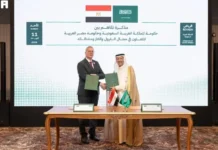



In a significant step for regional energy policy, Belgium and the Netherlands have entered into a formal agreement to intensify their bilateral relations regarding nuclear technology. The two nations signed a memorandum of understanding (MoU) on Wednesday, May 13, 2026, aimed at fostering a robust nuclear supply chain and enhancing the exchange of technical expertise. The agreement was finalized during the BeNeNuc Summit, with Belgium’s Federal Minister of Energy, Mathieu Bihet, and the Dutch State Secretary for Climate and Green Growth, Jo-Annes de Bat, serving as the primary signatories.
The core of this nuclear energy cooperation involves a commitment to a broader research and development framework. By establishing periodic meetings, both governments intend to create a consistent flow of information. Belgium, which currently manages a larger fleet of operational nuclear power plants, will offer its extensive industrial experience to the partnership. In exchange, the Netherlands will share its recent progress and procedural insights regarding the construction of new facilities and the implementation of small modular reactors.
A major component of the MoU is the alignment of private sectors and research institutions. The governments plan to organize innovation missions to help organizations within the nuclear supply chain identify opportunities for mutual growth. Beyond technical hardware, the partnership emphasizes human capital. Projections suggest that the construction phase of upcoming projects will require approximately 10,000 workers at peak times, with a steady average of 5,000 employees throughout the process. To meet this demand, the two countries will explore joint training initiatives to ensure a high level of specialized skills within the workforce.
The collaboration also extends to the back-end of the fuel cycle. Both nations have committed to developing shared strategies for the management, storage, and permanent disposal of radioactive waste. According to Minister Mathieu Bihet, future projects in the region necessitate strong value chains and high-level expertise. He noted that by joining forces, the two countries contribute to a more innovative and independent ecosystem for the continent.
The Netherlands is currently pursuing a strategy to increase energy independence by integrating more nuclear capacity into its national energy mix. State Secretary Jo-Annes de Bat highlighted that cooperation with neighboring states is essential in a sector characterized by rapid development and high knowledge density. The Dutch government has previously outlined plans for two new large-scale reactors, expected to be operational by 2035, while also preparing for the potential integration of small modular reactors.
Belgium has similarly adjusted its legislative landscape to support the continued use of nuclear power plants. Following the repeal of a 2003 phase-out law, the Belgian government reached agreements to extend the operations of its newest reactors for an additional decade. Furthermore, the state has entered discussions regarding direct ownership of its reactor fleet to ensure that all strategic options for decommissioning and future operations remain available to the government.