















As the world experiences an increase in the frequency and intensity of extreme weather events, the vulnerability of our energy infrastructure has become a central concern for engineers and policy makers. The transition to a grid powered primarily by renewables means that our clean energy assets must be capable of withstanding the very climate impacts they are designed to mitigate. Building climate resilient solar infrastructure is no longer a luxury or a niche consideration it is a fundamental requirement for the security and stability of the 21st-century power network. From hurricane-force winds in coastal regions to massive hail in the plains and extreme heat in arid zones, the next generation of solar energy systems must be engineered for maximum durability and adaptive performance.
The concept of climate adaptation in the solar sector involves a comprehensive approach that starts with site selection and extends through the entire design and operational lifecycle of the project. Historically, solar arrays were designed for “standard” conditions, but the new reality of a changing climate requires a shift toward “resilience-first” engineering. This means going beyond the minimum building codes to account for localized climate risks that are projected to increase over the next 25 to 30 years the typical lifespan of a solar asset. By prioritizing solar durability at every stage, we can ensure that these vital resources continue to provide reliable power during and after major weather events, serving as the bedrock of a resilient energy system.
Engineering for Extreme Weather and Mechanical Integrity
One of the most immediate threats to solar infrastructure is wind damage, particularly during hurricanes or intense convective storms. Ensuring that climate resilient solar infrastructure remains intact during these events requires advanced aerodynamic modeling and robust mounting solutions. Traditional racking systems are being replaced with high-strength alloys and reinforced fasteners that can withstand uplift forces far beyond previous standards. Furthermore, the development of intelligent tracking systems has introduced “stow modes,” where panels are automatically rotated to a specific angle to minimize wind resistance or to protect the glass from flying debris. These adaptive systems use real-time meteorological data to transition into a protective stance, significantly reducing the risk of structural failure.
Hail is another major challenge that has historically caused significant losses in the solar industry. As hail stones become larger and more frequent in certain regions, the standard glass used in PV modules is being upgraded. “Solar durability” is being enhanced through the use of tempered, high-impact glass and specialized polymer backsheets that absorb kinetic energy more effectively. Additionally, some developers are implementing hail-stow strategies that tilt panels to a near-vertical position when hail is detected, allowing stones to glance off the surface rather than striking it directly. This proactive management, combined with improved material science, is transforming how we protect our solar assets from the physical impacts of a volatile atmosphere.
Adaptive Systems and Heat Management in Arid Environments
While storms and hail present sudden threats, extreme heat and prolonged droughts present a different set of challenges for climate resilient solar infrastructure. High ambient temperatures can significantly reduce the efficiency of photovoltaic cells and accelerate the degradation of power electronics. To counter this, modern project designs are incorporating advanced thermal management systems, such as improved airflow spacing between modules and the use of heat-dissipating materials in inverter enclosures. In some cases, passive or even active cooling solutions are being explored to maintain optimal operating temperatures, ensuring that solar farms continue to perform at high levels even during intense heatwaves.
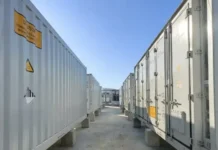
Moreover, the resilience of the grid itself depends on the ability of solar infrastructure to support frequency and voltage stability during climate-induced stresses. When a heatwave drives up electricity demand for air conditioning, the solar infrastructure must be able to provide steady, predictable output. This is where the integration of battery storage and smart inverters becomes vital. These “grid-forming” technologies allow solar assets to act as a stabilizer, smoothing out fluctuations and providing the “black-start” capabilities needed to reboot the system if a localized outage occurs. By building climate resilient solar infrastructure that is fully integrated with storage, we create a more flexible and responsive power network that can handle the unpredictable nature of our future environment.
Site Planning and Ecological Resilience for Long-Term Performance
The physical design of the solar array is only one part of the resilience equation the health of the surrounding landscape is equally important. Climate resilient solar infrastructure must be integrated into its local ecosystem in a way that manages water flow and prevents soil erosion. During intense rainfall events, poorly planned solar sites can contribute to runoff and flooding, which may damage the equipment or impact neighboring communities. Modern “low-impact” development techniques involve maintaining natural vegetation beneath the panels and creating bioswales or retention ponds to manage stormwater. This ecological approach not only protects the solar asset but also enhances the resilience of the local environment.
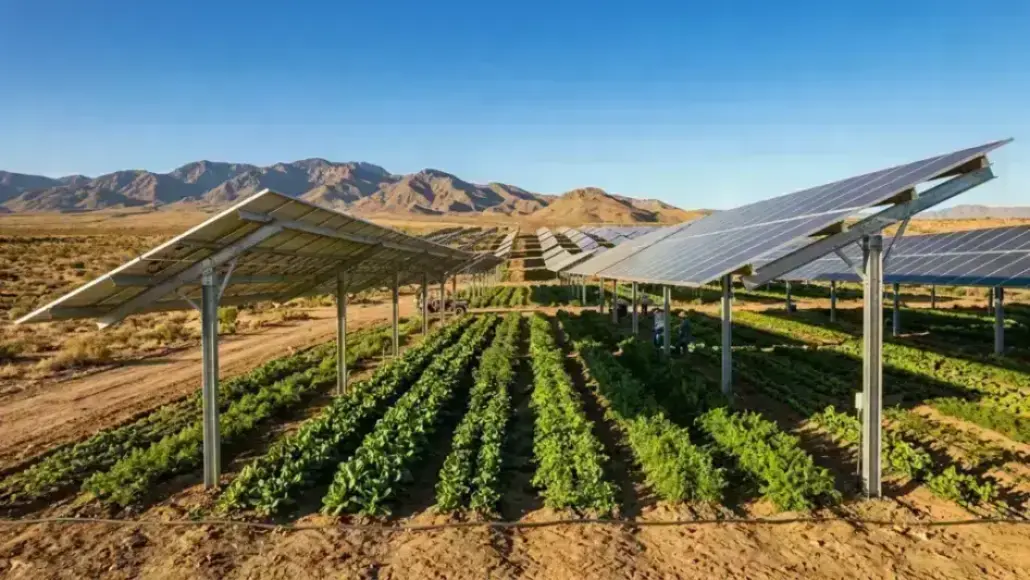
Furthermore, the rise of agrivoltaics combining solar generation with agriculture is providing a model for multi-functional land use that is inherently more resilient. The panels provide shade for crops, reducing their water needs and protecting them from heat stress, while the presence of the vegetation creates a cooler microclimate for the panels. This symbiotic relationship is a prime example of climate adaptation in action, creating a system that is more robust than either solar or farming would be on its own. As we build out the future grid, these integrated and ecologically sensitive designs will be the hallmark of a truly resilient energy landscape.
In conclusion, the path to a sustainable and secure energy future is paved with climate resilient solar infrastructure. By embracing advanced engineering, adaptive control systems, and ecologically sound planning, we can build a power network that is capable of thriving in a volatile world. The investment in solar resilience today is an investment in the reliability and stability of our global economy for decades to come. As we continue to innovate and adapt, solar energy will not only lead the fight against climate change but will also stand as a testament to our ability to build a durable and dependable world in its wake.
The increasing frequency of extreme weather events has made the development of climate resilient solar infrastructure a critical priority for the global energy transition. Ensuring that photovoltaic assets can withstand high winds, heavy hail, and extreme heat is essential for maintaining grid stability and long-term energy reliability. Modern engineering approaches are now prioritizing solar durability through reinforced structural designs, high-impact materials, and intelligent tracking systems that can automatically adjust to protective positions during storms. Furthermore, the integration of ecological planning and advanced thermal management ensures that solar sites remain productive and safe even under intense environmental stress. By combining these hardware innovations with the stabilizing power of battery storage and smart inverters, we are building a robust and adaptive power network. This focus on climate adaptation ensures that our renewable energy systems are not only clean but also incredibly durable, providing a secure foundation for the future of global energy security.