
























The global energy landscape is standing at a critical juncture, where the demand for a carbon-neutral and resilient power grid is driving unprecedented levels of infrastructure development. In this context, the traditional methods of managing occupational risk are being transformed by next gen safety power transmission strategies. These forward-looking approaches represent a fundamental shift from human-dependent safety checks to a model of technologically-augmented protection. By integrating artificial intelligence, robotics, and advanced materials, the industry is creating a safety ecosystem that is faster, smarter, and more reliable than ever before. Next gen safety power transmission is not just about new gadgets; it is about a new way of thinking that prioritizes the proactive elimination of hazards through intelligent design and automation.
The primary driver behind next gen safety power transmission is the need to manage the inherent volatility of the modern electrical grid. As we incorporate more renewable energy sources and battery storage systems, the behavior of high-voltage transmission lines becomes more complex. Traditional safety protocols, while effective for a static grid, can struggle to keep pace with these dynamic changes. Next gen safety power transmission addresses this by providing real-time, adaptive protection that can respond to shifting electrical and environmental conditions in milliseconds. This transition to an intelligent, responsive safety model is the hallmark of professional excellence in the contemporary energy sector.
AI and Predictive Analytics in Worker Protection
One of the most transformative elements of next gen safety power transmission is the application of predictive analytics. By feeding decades of safety data, weather patterns, and equipment maintenance logs into advanced machine learning models, organizations can now predict where and when an accident is most likely to occur. This “predictive safety” allows for a surgical application of safety resources, ensuring that high-risk activities receive the most advanced protection systems available. Next gen safety power transmission uses these insights to move the industry from a reactive “learn from accidents” model to a proactive “prevent accidents through intelligence” model.
Furthermore, AI-driven computer vision is being used to conduct real-time safety audits of field operations. Next gen safety power transmission platforms can analyze video feeds from mast-mounted cameras or body-worn devices to detect unsafe behaviors such as improper tie-off techniques or encroachment into restricted zones and provide immediate feedback to the crew. This continuous, objective oversight ensures that safety standards are maintained consistently across all work sites, regardless of their location or the experience level of the supervisor. This application of next gen safety power transmission technology is a major leap forward in the quest for a zero-harm workplace.
Robotics and Automation for Hazard Elimination
Perhaps the most direct way next gen safety power transmission is improving safety is through the physical elimination of hazards via robotics and automation. We are seeing a rise in the use of specialized robots for tasks that were previously high-risk for human technicians, such as live-line inspections, insulator cleaning, and even some conductor splicing operations. By deploying a robot to perform these tasks, next gen safety power transmission strategies are removing the worker from the “line of fire” entirely. This shift does not replace the human technician but rather elevates them to a role of robot operator and site supervisor, significantly reducing their physical exposure to electrical and fall hazards.
Drones, or Unmanned Aerial Vehicles (UAVs), are also a cornerstone of next gen safety power transmission. These aerial platforms can perform high-definition thermal and visual inspections of entire transmission corridors in a fraction of the time it would take a ground crew, and with zero risk of a fall. The data collected by these drones is integrated into a digital twin of the network, allowing engineers to identify structural weaknesses or vegetation encroachment before they lead to a failure. This proactive maintenance, enabled by next gen safety power transmission tools, ensures that the grid remains safe and stable without placing workers in unnecessary danger.
Advanced Materials and Smart PPE
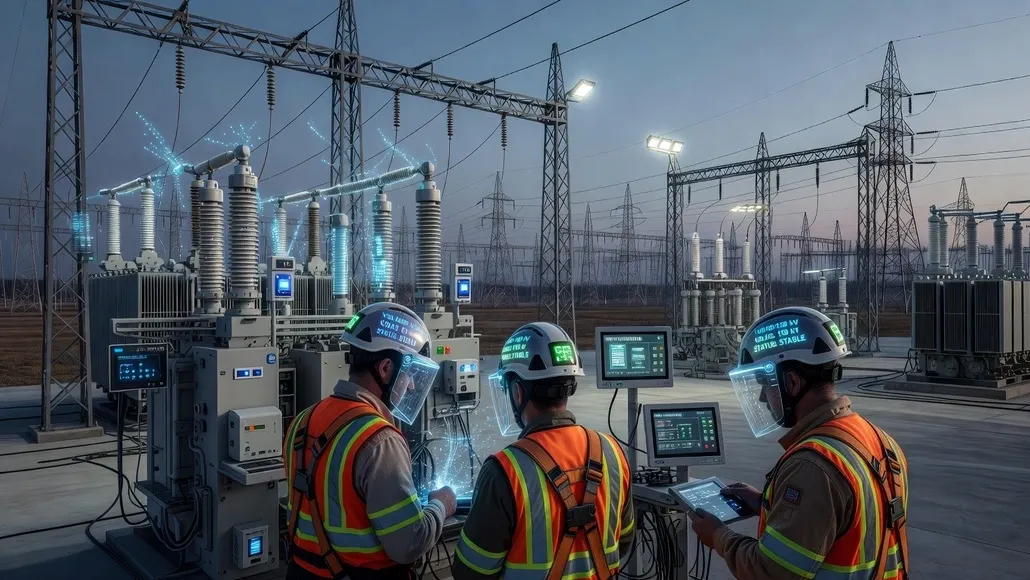
The evolution of personal protective equipment (PPE) is another vital component of next gen safety power transmission. We are moving toward “smart PPE” that is integrated with sensors and communication technology. Next gen safety power transmission harnesses are now being constructed from “smart fibers” that can sense their own structural integrity and alert the user if they have been subjected to an impact or environmental damage. Similarly, next gen safety power transmission helmets are being outfitted with head-up displays (HUDs) that overlay critical safety information such as voltage levels, wind speeds, and step-by-step procedure guides directly onto the worker’s field of vision.
These advanced protection systems also include next-generation arc-flash protection that is both lighter and more breathable than traditional gear. By utilizing multi-layered, inherently flame-resistant fabrics, next gen safety power transmission ensures that workers are protected against the extreme temperatures of an electrical arc without being burdened by excessive weight or heat stress. This focus on “comfortable safety” is essential for ensuring high rates of compliance and maintaining worker focus during long, demanding shifts. The synergy between material science and digital technology is creating a new level of personal protection that is both highly effective and user-friendly.
Cultivating the Next-Gen Safety Mindset
The successful implementation of next gen safety power transmission requires more than just the deployment of technology; it requires a fundamental shift in organizational culture. Workers must be trained not just in how to use the new tools, but in how to interpret and act on the data they provide. Next gen safety power transmission involves a transition from a “checkbox” compliance culture to a “critical thinking” safety culture. This involves encouraging workers to question standard procedures and use the data at their disposal to identify safer and more efficient ways of completing their tasks.
In conclusion, the emergence of next gen safety power transmission is a defining moment for the energy sector. These approaches offer a sophisticated, data-driven way to manage the risks of power transmission work in an increasingly complex world. By embracing AI, robotics, and advanced materials, utility companies are building a more resilient and confident workforce that is better equipped to power our future. The journey toward a safer energy industry is driven by the constant pursuit of next gen safety power transmission solutions, ensuring that our progress in technology is matched by our commitment to human life. Through the intelligent application of these next-generation tools, we can create a world where energy delivery is seamless and every worker returns home safely.