




























The evolution of energy infrastructure has brought with it a shift in how we conceive of worker protection. In the past, safety was often treated as a collection of isolated parts a harness here, a training manual there, and a set of rules posted on a wall. However, the complexity of modern energy networks demands a more sophisticated approach: integrated safety systems power transmission. This concept represents the convergence of physical equipment, digital oversight, and human behavior into a unified, self-reinforcing framework. By implementing integrated safety systems power transmission, utility organizations are moving beyond simple compliance to create a “culture of wholeness” where safety is an inseparable part of every technical and operational process.
The power of integrated safety systems power transmission lies in their ability to eliminate the gaps that often exist between different safety protocols. In a traditional model, a failure in one area such as an equipment malfunction might not be immediately communicated to the rest of the team. In an integrated model, the failure is detected by sensors, communicated via digital networks, and triggers an automated safety response that alerts the entire crew and the command center. This seamless flow of information is what makes integrated safety systems power transmission so effective at managing the high-stakes risks of modern power transmission. It is the architectural foundation of a zero-incident workplace in the energy sector.
The Physical and Digital Synergy of Integrated Protection
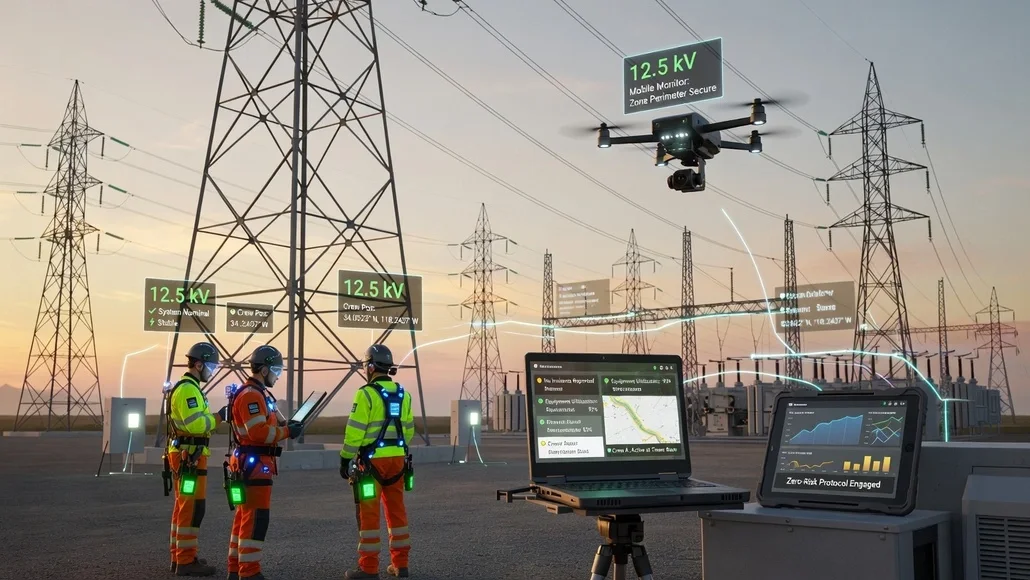
A primary component of integrated safety systems power transmission is the marriage of high-performance hardware with real-time monitoring technology. We are no longer just looking at a harness; we are looking at a smart worker protection system. These modern integrated safety systems power transmission include fall arrest gear that is equipped with embedded sensors to track usage, impact events, and environmental conditions. This data is fed into a central safety integration technology platform, providing managers with a real-time dashboard of the entire field operation. This level of visibility ensures that any deviation from safe practices can be corrected instantly, rather than being discovered during a post-incident audit.
Furthermore, integrated safety systems power transmission utilize advanced materials that are designed to work together. For instance, the insulating properties of a technician’s clothing are matched with the dielectric strength of their tools and the specific grounding requirements of the work zone. When these elements are designed as an integrated system, they provide a much higher level of protection than they would as individual components. This systemic approach to grid safety is essential for tasks like live-line maintenance, where the margin for error is non-existent. The physical and digital synergy of these systems provides a robust defense against the multiple hazards of the power sector.
Streamlining Operations through Safety Integration
One of the most significant benefits of integrated safety systems power transmission is the streamlining of field operations. By combining safety checks with technical workflows, organizations can reduce the time spent on administrative tasks while improving the accuracy of inspections. For example, an integrated safety systems power transmission approach might involve a mobile app that guides a worker through a pre-climb inspection. As each item is checked, the data is automatically synced with the project’s management system, providing the supervisor with immediate confirmation that the crew is ready to work. This elimination of redundant paperwork is a major driver of efficiency in modern power transmission.
Safety integration technology also allows for better resource management. By tracking the location and status of all safety assets across a vast transmission network, companies can ensure that the right equipment is always in the right place. Integrated safety systems power transmission can even predict when a piece of gear will need maintenance or replacement based on its actual usage patterns in the field. This proactive maintenance reduces the risk of equipment failure and ensures that crews are never forced to use sub-standard tools. The resulting gain in operational uptime is a clear example of how integrated safety systems power transmission contribute to the overall performance of the utility.
Creating a Unified Human-System Interface
The most critical and often most challenging part of integrated safety systems power transmission is the human element. For a safety system to be truly integrated, it must be intuitive and easy for workers to use. A system that is too complex or burdensome will inevitably be bypassed. Modern integrated safety systems power transmission focus on a user-centric design that provides the right information at the right time. This might include head-up displays in helmets that show real-time voltage levels or haptic alerts that guide a worker through a complex switching sequence. By making safety information a natural part of the work experience, these systems reduce the cognitive load on the technician.
Creating this unified interface also involves fostering a culture where every team member understands their role within the larger integrated safety systems power transmission. This requires a transition from traditional training to continuous, data-driven coaching. By analyzing the data generated by the integrated systems, safety managers can provide personalized feedback to workers, helping them to refine their techniques and improve their situational awareness. This collaborative approach to safety ensures that the human and technical components of the system are always in sync. When workers see the integrated safety systems power transmission as an empowering tool rather than a surveillance mechanism, they are more likely to fully engage with its benefits.
The Future of Safety in the Energy Landscape
As we look toward the future of the energy sector, the role of integrated safety systems power transmission will only become more prominent. We are moving toward a reality where safety systems are autonomous and self-healing. Imagine a grid that can automatically isolate a faulted section the moment a worker enters the work zone, or a drone that provides a constant safety orbit around a crew working at height. These are the natural progressions of the integrated safety systems power transmission that are being deployed today. The convergence of AI, robotics, and the IoT will continue to push the boundaries of what is possible in worker protection.
In conclusion, the adoption of integrated safety systems power transmission is a vital step in the evolution of industrial safety. These systems provide a sophisticated, multi-layered approach to protection that addresses the physical, digital, and human challenges of modern power work. By breaking down the silos between different safety functions, utility companies are building a more resilient and efficient energy future. The pursuit of integrated safety systems power transmission is a journey toward a workplace where safety is not just an objective but an inherent characteristic of the work itself. Through the intelligent integration of technology and culture, we can ensure that our power networks are the safest and most reliable in the world.