












The modernization of electrical infrastructure across the globe has necessitated a parallel evolution in the safety protocols governing those who build and maintain it. For decades, the risks associated with scaling high-voltage towers and navigating miles of transmission lines were managed through basic restraint methods that often hindered movement as much as they provided security. However, a new era of height safety solutions power line work has emerged, characterized by the seamless integration of advanced materials, ergonomic design, and intelligent engineering. This transformation is not merely a response to tightening regulations but a proactive recognition that the safety of the power line workforce is the primary catalyst for operational success and grid reliability.
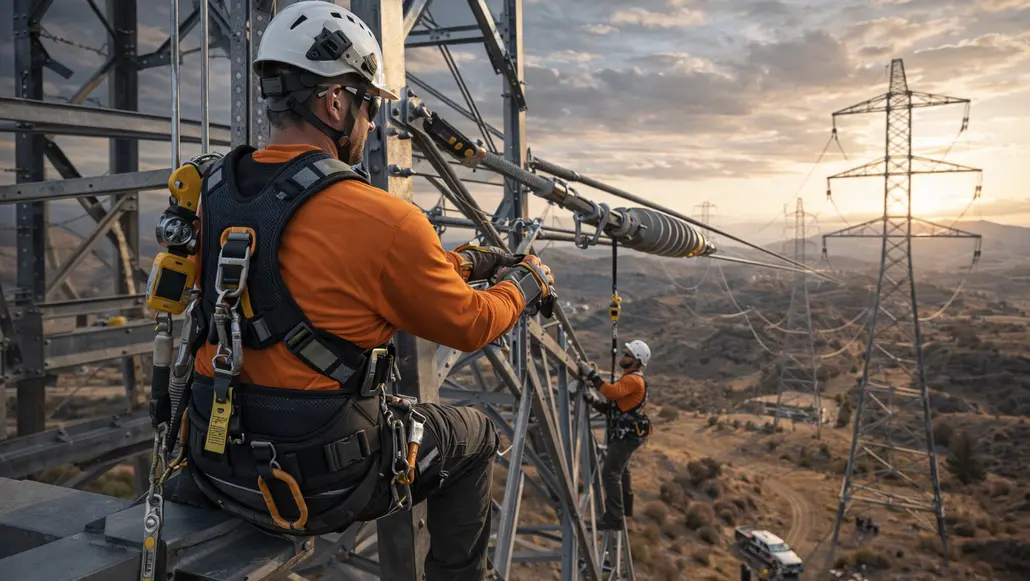
Historically, the industry relied on heavy leather belts and simple rope lanyards that offered a false sense of security and limited protection during a dynamic fall event. Modern height safety solutions power line work have replaced these antiquated systems with high-performance fall arrest and work-positioning gear that prioritizes the natural range of motion of the technician. This shift toward more sophisticated height safety solutions power line work allows linemen to transition between structural members with fluidity and speed, reducing the physical fatigue that often leads to errors. By treating safety equipment as a performance-enhancing tool rather than a burdensome requirement, the power sector is setting a new standard for industrial excellence.
Material Science and Ergonomic Advancement
The technical foundation of modern height safety solutions power line work lies in the unprecedented advancement of material science. Synthetic fibers like Dyneema and high-tenacity polyesters have enabled the creation of harnesses and lanyards that are significantly lighter yet stronger than their predecessors. These materials are specifically engineered to withstand the unique environmental stressors of the power sector, including UV radiation, extreme temperature fluctuations, and the potential for electrical arcing. By utilizing these advanced materials, height safety solutions power line work ensure that the equipment remains reliable throughout its service life, even in the harshest geographical terrains.
Ergonomics plays a similarly vital role in the effectiveness of these systems. Modern harnesses are designed with load-distribution technology that moves the impact forces of a fall away from the vulnerable spine and toward the stronger pelvic and thigh regions. This ergonomic focus extends to the everyday comfort of the worker, with breathable padding and moisture-wicking liners that reduce the risk of heat stress during long shifts. When height safety solutions power line work are comfortable to wear, compliance rates naturally increase, as workers no longer feel the need to “cheat” the system for the sake of mobility. The synergy between material strength and ergonomic comfort is a defining characteristic of next-generation industrial safety gear.
Integration of Fall Prevention Systems in Grid Maintenance
Implementing comprehensive fall prevention systems is a multi-dimensional challenge that requires coordination between engineering teams and field personnel. Modern height safety solutions power line work are increasingly integrated into the structures themselves. We are seeing a rise in the use of permanent safety climb systems such as rigid rails or flexible cables that are installed on transmission towers during the fabrication process. These systems allow workers to remain 100% tied off from the moment they begin their ascent until they return to the ground. This permanent infrastructure for height safety solutions power line work eliminates the need for temporary rigging, which is often a source of human error and equipment wear.
Beyond structural integration, the use of active fall arrest devices, such as self-retracting lifelines (SRLs), has become a cornerstone of height safety solutions power line work. These devices act like a vehicle’s seatbelt, allowing for smooth movement during normal activity but locking instantaneously when a sudden acceleration is detected. This immediate response minimizes the fall distance and the resulting impact force, significantly reducing the likelihood of injury. The versatility of these devices makes them ideal for the varied tasks found in transmission line work safety, from insulator replacement to conductor tensioning. The intelligence of these mechanical systems provides a critical layer of protection that passive equipment simply cannot match.
Training and the Cultural Shift Toward Total Safety
No matter how advanced the hardware, the true efficacy of height safety solutions power line work depends on the proficiency of the individual user. Comprehensive training programs are the bridge between sophisticated engineering and safe field execution. Modern training for height safety solutions power line work has moved beyond the classroom, utilizing immersive simulations and high-angle rescue drills to build real-world competence. Linemen must be experts in equipment inspection, fall clearance calculations, and the specific physics of their gear. This technical knowledge ensures that height safety solutions power line work are used correctly every time, regardless of the pressure to complete a project on schedule.
This focus on training supports a larger cultural shift within the energy sector. Organizations that prioritize height safety solutions power line work are fostering an environment where safety is a shared responsibility rather than a top-down mandate. Peer-to-peer safety checks and “stop work” authority for any team member are becoming standard industrial safety practices. When height safety solutions power line work are seen as a vital investment in the workforce’s longevity, the entire organization benefits from reduced insurance premiums, lower turnover, and a stronger reputation for professional excellence. This cultural maturation is perhaps the most significant impact of modern safety innovations.
Operational Efficiency and the Future of Power Line Safety
A common misconception in the utility industry is that rigorous safety measures inevitably slow down the pace of work. On the contrary, advanced height safety solutions power line work are a major driver of operational efficiency. When a worker feels secure and balanced in their harness, they can execute technical tasks with greater precision and less hesitation. The use of specialized height safety solutions power line work, such as positioning lanyards with one-handed adjustment mechanisms, allows for faster transitions and more stable work platforms. By streamlining the physical aspects of the job, these safety solutions enable crews to achieve higher throughput without increasing the risk profile of the operation.
In conclusion, the transformation of power line work through advanced height safety solutions power line work is an ongoing journey of innovation and commitment. As our reliance on a stable and resilient power grid grows, so does the importance of protecting the men and women who keep it running. Through the constant refinement of materials, the integration of smart engineering, and the cultivation of a safety-first mindset, the energy sector is proving that it is possible to reach new heights of productivity while ensuring that every worker returns home safely. The future of height safety solutions power line work is bright, driven by a relentless pursuit of excellence and a deep respect for the lives of those who power our world.