

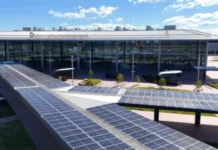
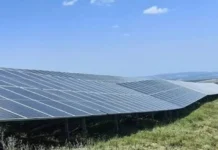
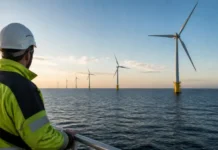

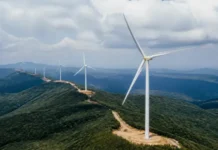





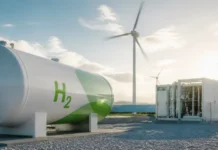
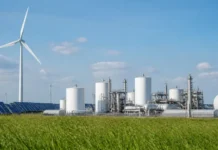
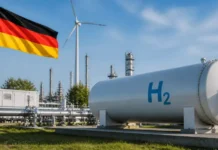
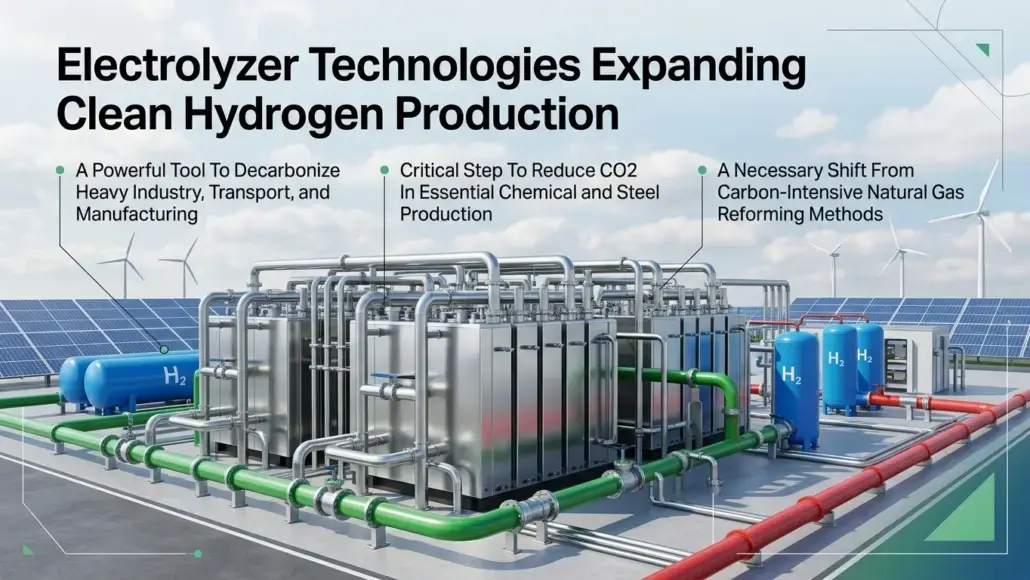

In the grand architecture of the energy transition, hydrogen is often described as the “Swiss Army knife” of decarbonization. It can heat homes, power heavy trucks, fuel ships, and serve as a vital chemical feedstock for steel and fertilizer. However, for hydrogen to fulfill its promise, the way we make it must change. Currently, most hydrogen is produced from natural gas through steam methane reforming, a process that releases significant amounts of CO2. The alternative and the focus of intense global innovation is electrolysis. By expanding clean hydrogen production with electrolyzers, we are essentially creating a bridge between the electron and the molecule, allowing us to store and transport wind and solar power in chemical form.
The technology behind electrolysis is deceptively simple: an electric current is passed through water to split it into hydrogen and oxygen. Yet, scaling this process to a level where it can compete with fossil fuels is one of the most significant industrial challenges of our decade. We are witnessing a rapid evolution in electrolyzer design, materials science, and manufacturing processes. These advancements are not only increasing the efficiency of the conversion but are also drastically reducing the capital costs of the equipment. As we move from kilowatt-scale pilot projects to gigawatt-scale “hydrogen hubs,” the role of the electrolyzer is shifting from a niche laboratory tool to a cornerstone of the global industrial complex.
The Pillars of Electrolysis: Comparing Technologies
To understand how we are expanding clean hydrogen production with electrolyzers, one must look at the different technological pathways being pursued. Historically, Alkaline Water Electrolysis (AWE) has been the workhorse of the industry. It is a mature, robust technology that uses a liquid electrolyte and non-precious metals like nickel. Its primary advantage is its low cost and long operational life. However, alkaline systems are often bulky and struggle to respond quickly to the fluctuating power output of wind and solar farms. Despite these limitations, the sheer scale of current alkaline deployments is a testament to their reliability in stable, large-scale industrial settings.
On the other hand, Proton Exchange Membrane (PEM) electrolysis has emerged as a high-performance alternative. PEM systems use a solid polymer electrolyte and are far more compact than their alkaline counterparts. Their greatest strength lies in their flexibility they can ramp up or down in seconds, making them the perfect partner for variable renewable energy. By expanding clean hydrogen production with electrolyzers that utilize PEM technology, developers can capture the maximum amount of energy from a gust of wind or a burst of sunshine. While the use of precious metals like iridium and platinum in PEM stacks remains a cost challenge, ongoing research into thrifting using smaller amounts of these materials is rapidly bringing costs down and improving the economic outlook for green hydrogen.
Emerging Frontiers: AEM and SOEC
The innovation landscape does not stop at AWE and PEM. Two emerging technologies are promising to further disrupt the status quo. Anion Exchange Membrane (AEM) electrolysis aims to combine the best of both worlds: the low cost and non-precious materials of alkaline systems with the high efficiency and flexibility of PEM. While still in the early stages of commercialization, AEM is being watched closely as a potential “holy grail” for expanding clean hydrogen production with electrolyzers. If durability issues can be resolved, AEM could provide the cheapest pathway to decentralized green hydrogen production.
Simultaneously, Solid Oxide Electrolysis Cells (SOEC) are redefining efficiency in high-temperature environments. SOECs operate at temperatures between 500 and 850 degrees Celsius. While this requires a heat source, the high-temperature environment significantly reduces the electrical energy needed to split water. When integrated with industrial processes that produce waste heat such as steel mills or nuclear power plants SOECs can achieve efficiencies far higher than low-temperature electrolysis. This synergy makes them an ideal choice for deep industrial decarbonization, where hydrogen production can be tightly integrated into the factory’s thermal management system.
Scaling Up: From Stacks to Gigafactories
The technical brilliance of an individual electrolyzer cell is only half the story. The real breakthrough in expanding clean hydrogen production with electrolyzers is happening on the factory floor. For years, electrolyzers were hand-assembled in small batches. Today, we are seeing the rise of “gigafactories” that utilize automated assembly lines, much like those used in the automotive or battery industries. This shift to mass production is the single biggest driver of cost reduction. By applying the principles of economies of scale, manufacturers are slashing the price per kilowatt of capacity, making green hydrogen increasingly competitive with “grey” hydrogen produced from gas.
Furthermore, the concept of “stacking” allows for modularity and redundancy. A massive hydrogen production facility is not a single giant machine, but rather a collection of hundreds of smaller electrolyzer stacks working in parallel. This modularity simplifies maintenance if one stack fails, the others continue to operate and allows projects to be scaled up incrementally as demand grows. This de-risked approach is attracting the kind of large-scale institutional investment needed to build a global hydrogen economy. The transition from boutique engineering to industrial-scale manufacturing is perhaps the clearest sign that the hydrogen age has truly arrived.
Overcoming the Infrastructure and Supply Chain Bottlenecks
As we succeed in expanding clean hydrogen production with electrolyzers, new challenges are appearing in the supply chain. The demand for specialized components such as membranes, catalysts, and high-performance coatings is skyrocketing. Ensuring a stable supply of these materials is critical for national energy security. Many countries are now treating electrolyzer manufacturing as a strategic industry, providing incentives for local production to avoid the kind of supply chain dependencies that have plagued the semiconductor and battery sectors.
Moreover, the availability of clean water is a vital consideration. While seawater can be desalinated to feed electrolyzers, the environmental impact and energy cost of this process must be managed. Innovations in “direct seawater electrolysis” where hydrogen is produced from salt water without the need for extensive purification are currently in the research phase and could provide a massive boost to coastal hydrogen hubs. By addressing these foundational resource needs, we ensure that the expansion of hydrogen production is truly sustainable and resilient in the face of a changing climate.
Conclusion: The Engine of the Molecular Revolution
The evolution of electrolyzer technology is the silent engine driving the green revolution. While wind turbines and solar panels capture the headlines, it is the electrolyzer that transforms that energy into the molecules that will power our future. By expanding clean hydrogen production with electrolyzers, we are solving the “hardest” parts of the climate puzzle decarbonizing the heavy industries and long-distance transport that have long seemed unreachable.
The progress we have made in just the last few years is staggering. We have moved from theoretical discussions to the construction of massive industrial complexes that will soon produce thousands of tons of green hydrogen annually. As costs continue to fall and efficiencies rise, the “hydrogen tipping point” draws nearer. The electrolyzer is more than just a piece of equipment it is the physical manifestation of our commitment to a cleaner world, proving that with enough ingenuity, we can indeed turn water and sunlight into the fuel of a new era.