




















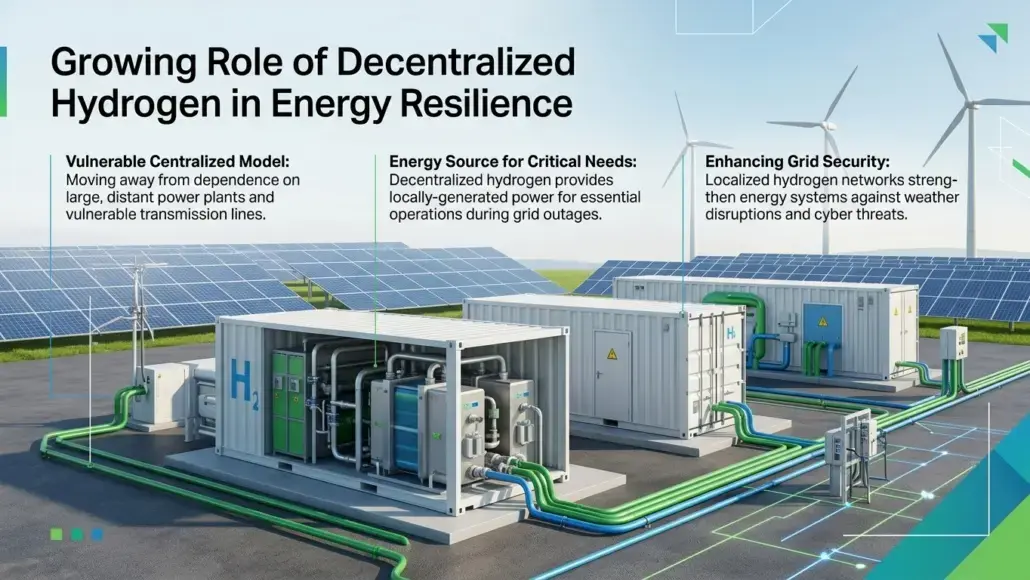

The architecture of our global energy systems is currently undergoing a fundamental shift. For over a century, the prevailing model has been one of extreme centralization massive power plants located far from urban centers, pushing electricity through thousands of miles of high-voltage transmission lines. While this model provided the economies of scale that fueled the industrial age, it has become increasingly vulnerable in the face of 21st-century challenges. Extreme weather events, cyber threats, and the physical degradation of aging infrastructure have exposed the fragility of the “single point of failure” system. In response, a new paradigm is emerging: one that prioritizes localization and modularity. Decentralized hydrogen for energy resilience is at the heart of this movement, offering a way to turn the “molecule as a battery” concept into a practical tool for community autonomy and grid stability.
Unlike centralized systems, decentralized energy production places the source of power closer to the consumer. When combined with hydrogen technology, this approach does more than just generate electricity it creates a multi-layered energy buffer. Small-scale electrolyzers, local storage tanks, and fuel cell systems allow communities, hospitals, and industrial parks to produce and store their own carbon-free fuel. This capability transforms a facility from a passive consumer of grid energy into an active, self-sustaining energy island. As the world grapples with the dual imperatives of decarbonization and security, the ability to maintain power during a wider grid collapse is no longer a luxury it is a fundamental requirement for societal stability.
Moving Beyond the Centralized Paradigm
The limitations of centralized power are most visible during periods of environmental stress. High-wind events, wildfires, and floods often result in widespread blackouts, not because the power plants have failed, but because the distribution lines have been severed or deactivated for safety. This “last mile” vulnerability is a structural flaw that cannot be solved by simply building more large-scale renewable farms. By integrating decentralized hydrogen for energy resilience, we address the problem at its root by shortening the distance between production and consumption. A localized hydrogen system can generate power independently of the regional grid, ensuring that critical loads remain energized regardless of the status of the high-voltage network.
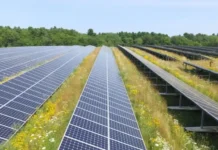
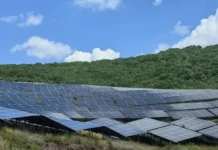
This shift also facilitates a more efficient use of local renewable resources. Many communities have access to rooftops for solar or small-scale wind potential that is underutilized because the grid cannot always absorb the excess power. Decentralized hydrogen systems act as a flexible sink for this local energy. Instead of curtailing production when the grid is saturated, the excess electricity is converted into hydrogen. This “stored sunshine” or “stored wind” can then be used hours or even days later, providing a level of reliability that matches traditional fossil-fuel baseload. This synergy between local renewables and hydrogen production is the cornerstone of a modern, resilient energy architecture.
Technical Enablers of Local Production
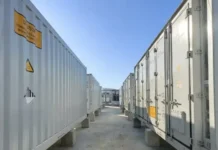
The feasibility of decentralized hydrogen for energy resilience is driven by the rapid miniaturization and cost reduction of key hardware. In the past, electrolysis was an industrial-scale process requiring massive footprints. Today, modular PEM (Proton Exchange Membrane) and AEM (Anion Exchange Membrane) electrolyzers can be housed in standard shipping containers. These units are “plug-and-play,” allowing for rapid deployment at hospitals, data centers, or remote neighborhoods. Their ability to ramp up and down instantaneously makes them the perfect partner for the variable nature of local solar and wind, ensuring that every kilowatt of clean energy is captured and converted.
On the consumption side, fuel cell technology has reached a level of maturity that rivals traditional internal combustion engines in terms of reliability and ease of use. A stationary fuel cell can provide silent, vibration-free, and emission-free power for critical infrastructure. Unlike diesel generators, which require frequent maintenance and the constant delivery of liquid fuel a major vulnerability during a natural disaster hydrogen systems can be fed from on-site tanks that hold enough energy to power a facility for weeks. This long-duration storage capability is the defining feature that sets hydrogen apart from battery-based microgrids, which typically only provide power for a few hours.
Fortifying Critical Infrastructure through Microgrids
The most immediate application for decentralized hydrogen for energy resilience is in the protection of critical infrastructure. Hospitals, emergency response centers, and water treatment plants are the backbone of any community, and their failure during a disaster can lead to a secondary humanitarian crisis. Traditionally, these facilities have relied on diesel backup generators. However, diesel is difficult to store long-term, and supply chains are often the first thing to break during a regional emergency. Hydrogen offers a “forever-stored” alternative that is ready to activate in milliseconds.
By incorporating hydrogen into a local microgrid, these facilities can operate in “island mode” indefinitely. When the main grid goes down, the fuel cell takes over, drawing from the hydrogen reserves built up during periods of normal operation. If the facility also has on-site solar, the electrolyzer can continue to replenish the hydrogen tanks during the day, creating a perpetual energy loop. This level of self-sufficiency provides a psychological and practical safety net for the community, ensuring that even in the worst-case scenario, the most vital services remain operational. The decentralization of energy is, in this sense, a form of disaster preparedness that is as essential as physical flood barriers or earthquake-resistant architecture.
Hydrogen as a Seasonal Battery for Communities
Beyond emergency backup, decentralized hydrogen for energy resilience offers a solution to the problem of seasonal energy storage. In many parts of the world, there is a significant disparity between energy production and demand across the seasons. For example, a community in Northern Europe may produce an excess of solar energy in the summer but face a severe deficit in the clouded, cold winter months. Batteries cannot hold energy long enough to bridge this gap economically. Hydrogen, however, can be stored in tanks or specialized underground vessels for months without significant loss.
This “seasonal battery” allows a community to achieve a high degree of energy sovereignty. By over-producing hydrogen in the summer and drawing it down in the winter, the community reduces its reliance on the international energy market and the volatility of gas prices. This economic resilience is just as important as physical resilience. It protects local businesses and households from the “energy poverty” that can occur during geopolitical crises or supply chain disruptions. In this model, the localized hydrogen economy becomes an engine for regional stability, keeping energy dollars within the community rather than exporting them to distant suppliers.
Economic and Social Dividends of Localization
The move toward decentralized hydrogen for energy resilience also brings significant socio-economic benefits. Building and maintaining local energy systems creates a demand for specialized technical labor within the community. Instead of a few massive, automated plants, we see a network of smaller installations that require ongoing monitoring, maintenance, and optimization. This decentralization of the workforce fosters a “green-collar” job market that is rooted in the local economy, providing long-term career paths in mechanical engineering, chemistry, and digital grid management.
Furthermore, the environmental benefits of removing diesel generators and reducing transmission losses cannot be overstated. When electricity travels long distances, as much as 5% to 10% is lost as heat. By producing energy where it is used, we eliminate these losses, improving the overall efficiency of the energy system. Additionally, the lack of local emissions from fuel cells improves the air quality in urban environments, leading to better public health outcomes. This holistic improvement in the quality of life is a direct result of moving away from the “big and far” model toward a “small and near” energy philosophy.
Challenges and the Path Forward
Despite its clear advantages, the widespread adoption of decentralized hydrogen for energy resilience faces several hurdles. The primary challenge is the initial capital expenditure. While the operating costs are low, the cost of installing electrolyzers, storage, and fuel cells remains higher than traditional backup systems. However, this is changing as production volumes increase and new materials are discovered. Governments are also beginning to recognize that the “cost of failure” of the centralized grid in terms of economic disruption and loss of life far outweighs the cost of subsidizing resilient local infrastructure.
Policy frameworks must also evolve to allow for the easier integration of microgrids. Current regulations in many regions are still designed around the monopoly utility model, making it difficult for local communities to sell excess power or operate independently. By streamlining the permitting process and providing tax incentives for resilient infrastructure, we can accelerate the deployment of these systems. As the technology continues to prove itself in pilot projects and critical installations, the transition from a fragile, centralized grid to a robust, decentralized network will become the standard for modern development.
Conclusion
The growing role of decentralized hydrogen for energy resilience is a testament to our ability to adapt our technology to meet the realities of a changing world. We are moving away from a rigid energy system that is easily broken and toward a fluid, distributed network that is designed to bend but not break. By empowering communities and critical facilities to manage their own energy production and storage, we are building a more resilient, equitable, and sustainable future.
The transition to a decentralized hydrogen economy is not just about changing our fuel it is about changing our relationship with energy. It is about moving from a state of dependence to a state of autonomy. As we watch the first hydrogen-powered microgrids go live, we are seeing the birth of a new era where energy is no longer a distant commodity, but a local resource that is as reliable as the ground beneath our feet. The resilience of our civilization will be measured by the strength of its smallest nodes, and with hydrogen, those nodes are becoming stronger than ever before.