
















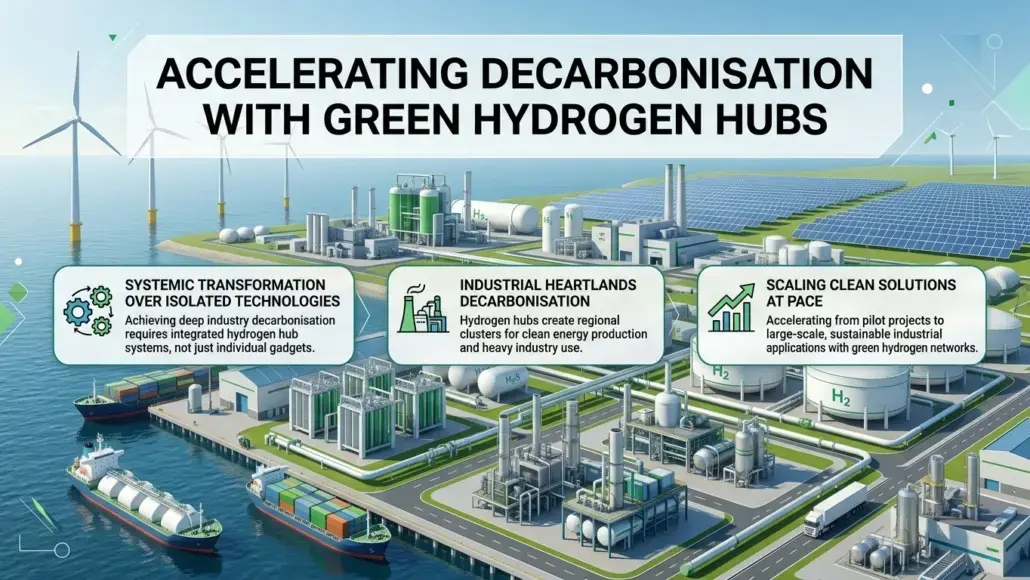

The journey toward a sustainable future is often mapped in terms of individual technologies better batteries, more efficient solar cells, or faster-charging electric vehicles. However, the true transformation of the industrial heartlands will not come from isolated gadgets, but from integrated systems. The concept of the “hydrogen hub” has emerged as a powerful model for systemic change. By accelerating decarbonisation with green hydrogen hubs, nations are moving beyond pilot projects and toward localized ecosystems where green hydrogen is produced, stored, and utilized by a variety of nearby industrial and transport consumers. This “cluster” approach solves the “chicken and egg” problem of hydrogen supply and demand, ensuring that infrastructure is built where it is needed most.
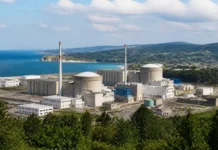
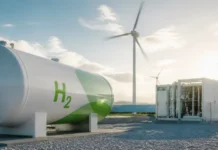
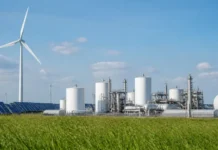
A green hydrogen hub is essentially an industrial concentrated area that leverages local renewable resources such as offshore wind, solar parks, or hydroelectric power to feed large-scale electrolyzers. The resulting hydrogen is then distributed via short pipelines or local transport to a surrounding “ecosystem” of users. These users might include a steel mill that needs hydrogen for direct reduction of iron, a chemical plant that requires it for ammonia synthesis, or a port that uses it to fuel heavy trucks and shipping vessels. This geographic proximity minimizes transport costs and energy losses, making the entire value chain more economically viable and physically resilient.
The Economic Logic of Industrial Clustering
The primary hurdle for the hydrogen economy has always been the cost of transportation. Hydrogen is the lightest element, and moving it over long distances as a gas or a liquid is both expensive and technically complex. By accelerating decarbonisation with green hydrogen hubs, we bypass this issue by keeping the producer and the consumer in the same zip code. This industrial clustering creates a shared infrastructure that lowers the entry barrier for smaller companies. Instead of every factory having to build its own electrolyzer and storage facility, they can simply “plug in” to the hub’s central network.
This model also fosters a unique environment for innovation. When engineers from different sectors power generation, steelmaking, and logistics operate within the same hub, the opportunities for cross-sectoral synergy are immense. For example, the waste oxygen from an electrolyzer can be sold to a nearby medical facility or a wastewater treatment plant. Similarly, the waste heat from hydrogen production can be captured and used for local district heating or industrial drying processes. This “circular economy” approach ensures that every joule of energy and every molecule of byproduct is put to its highest and best use, further driving down the overall cost of the transition.
Revitalizing Communities and Creating Green Jobs
Beyond the technical and economic benefits, the rise of hydrogen hubs is a story of regional revitalization. Many of the ideal locations for these hubs are former fossil-fuel-dependent industrial centers or coastal ports. These are areas with existing workforces that possess deep expertise in mechanical engineering, chemical processing, and large-scale logistics the very skills needed for the hydrogen economy. Accelerating decarbonisation with green hydrogen hubs provides a “just transition” for these communities, offering a future that is environmentally sustainable without sacrificing economic prosperity.
Governments around the world are recognizing this potential and are pouring billions into “hydrogen valley” initiatives. These investments act as catalysts, attracting private capital and encouraging established industrial players to commit to long-term decarbonization goals. A successful hub doesn’t just produce hydrogen it produces a new generation of skilled workers and a robust local supply chain of component manufacturers and service providers. This localized economic density makes the hub resistant to global market shocks and creates a sense of regional pride in being at the forefront of the global clean energy revolution.
Port-Based Hubs: The Gateway to Global Trade
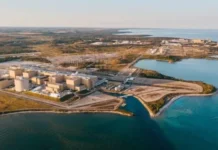
Ports are perhaps the most natural locations for green hydrogen hubs. They are the intersections where international shipping, heavy-duty trucking, and rail lines converge. By accelerating decarbonisation with green hydrogen hubs at major ports, we can tackle some of the most difficult carbon footprints in the transport sector. A port-based hub can provide green fuel for ships (in the form of liquid hydrogen or ammonia), power the heavy machinery used for loading containers, and fuel the thousands of trucks that move goods inland every day.
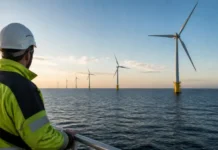
Furthermore, ports act as the landing points for offshore wind energy. Connecting a massive offshore wind farm directly to a port-based electrolyzer facility eliminates the need for expensive high-voltage transmission lines deep into the mainland. Instead, the energy is “landed” as hydrogen, which is far easier to store in large quantities than electricity. This role as an energy gateway makes port-based hubs the linchpins of future global energy trade, where hydrogen-rich derivatives are imported and exported with the same ease as LNG or oil today.
Integrating Policy and Finance for Hub Success
While the physical infrastructure is being built, the “soft” infrastructure of policy and finance is equally important. Accelerating decarbonisation with green hydrogen hubs requires a stable regulatory framework that provides long-term certainty for investors. This includes clear standards for what constitutes “green” hydrogen, carbon pricing mechanisms that reflect the true cost of emissions, and public-private partnerships that de-risk the initial capital-intensive phases of construction.
Innovative financial instruments, such as “Contracts for Difference” (CfD), are being used to bridge the price gap between green hydrogen and cheaper fossil-fuel alternatives during the early years of hub development. By guaranteeing a fixed price for the hydrogen produced, governments allow hub operators to secure the financing needed for multi-billion-dollar projects. As the hubs reach scale and the cost of electrolysis falls, these subsidies can be phased out, leaving behind a self-sustaining and competitive clean energy market. The success of the first wave of hubs will create a blueprint that can be replicated across the globe, turning regional successes into a global movement.
Conclusion: A Network of Networks
The ultimate vision for the hydrogen economy is not a few isolated mega-projects, but a global “network of networks.” By accelerating decarbonisation with green hydrogen hubs, we are building the nodes of this future grid. As individual hubs mature and expand, they will eventually be linked by international pipelines and shipping routes, creating a truly global market for carbon-free energy.
The power of the hub model lies in its ability to start small and local while maintaining a global perspective. It allows us to prove the technology and the economics in controlled, high-impact environments before scaling up to the national level. These hubs are more than just industrial parks they are the physical proof that a zero-carbon industrial society is not only possible but is already being built. As we watch these clusters of innovation take shape, it becomes clear that the path to net zero is being paved with green hydrogen, one hub at a time.