






























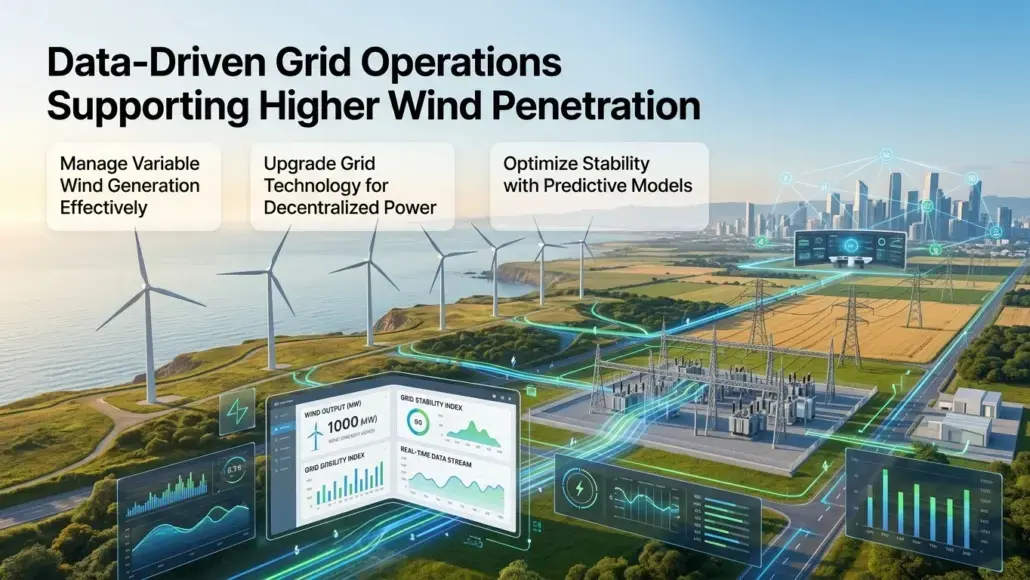

The transition toward a renewable-based energy system is fundamentally changing the way power grids are operated and managed across the globe. For decades, grid operators relied on relatively simple models and historical patterns to balance supply and demand, as traditional power plants provided a predictable and controllable output. However, the rise of wind energy, which is characterized by its inherent variability and decentralization, has introduced a new level of complexity. To address these challenges, the industry is increasingly turning toward sophisticated digital solutions. The implementation of data-driven grid operations supporting higher wind penetration is a critical factor in this evolution, providing the analytical depth required to optimize the energy system and for ensuring a stable and reliable power supply.
Strategic grid management now relies on the ability to collect and analyze massive amounts of data from every stage of the energy value chain. By utilizing advanced sensors, high-speed communications, and cloud-based computing, operators can gain real-time visibility into the performance of wind farms, the condition of the transmission lines, and the patterns of consumer demand. This capability allows for the development of highly accurate forecasts and for the implementation of proactive control strategies that can anticipate grid disturbances before they occur. The move toward a more integrated and data-driven approach to grid management is a hallmark of the modern industrial sector, where the focus is on achieving the highest possible standards of operational efficiency and for ensuring the safety and the satisfaction of all consumers.
Predictive Analytics and the Optimization of Wind Forecasting
The foundation of modern grid operations lies in the ability to predict the output of variable renewable resources with a high degree of accuracy. Traditional weather models often lack the resolution and the localized data needed for effective grid management. Data-driven grid operations supporting higher wind penetration utilize machine learning and predictive analytics to improve the quality of these forecasts. By analyzing historical wind patterns, local terrain features, and real-time sensor data from the wind turbines, these systems can provide granular predictions of energy generation for the coming minutes, hours, and days.
Furthermore, the integration of these forecasts into the market and the dispatch systems ensures that the grid operator can coordinate the actions of other assets, such as gas plants or battery storage, to balance the variability of the wind. This level of technical sophistication reduces the need for expensive spinning reserves and minimizes the risk of energy curtailment. The move toward a more engineered and data-driven approach to wind forecasting is a defining characteristic of the modern power generation sector, ensuring that the next generation of energy systems can accommodate high levels of wind energy while maintaining the highest possible standards of reliability and cost-effectiveness.
Real-Time Monitoring and Dynamic Line Rating Strategies
The physical capacity of the transmission network is a major constraint on the growth of wind energy. In many regions, the existing lines are limited by their thermal rating, which is often based on conservative historical assumptions. Data-driven grid operations supporting higher wind penetration utilize real-time monitoring and dynamic line rating (DLR) to optimize the use of these assets. By measuring the actual environmental conditions, such as wind speed and temperature, around the transmission lines, operators can safely increase the power flow when the cooling effect of the wind allows for it.
Furthermore, the use of IoT sensors and digital twin technology allows for the continuous monitoring of the health of the grid infrastructure. By identifying the subtle signs of equipment degradation or thermal stress, operators can implement proactive maintenance programs that prevent unexpected failures and extend the life of the assets. This proactive approach to grid management ensures that the transmission network can handle the surges in power output from large-scale wind projects without compromising the safety or the stability of the system. The commitment to technical excellence in infrastructure management is what will define the leaders of the power generation industry in the coming years.
Managing Grid Flexibility and the Coordination of Distributed Energy
The successful integration of high levels of wind energy requires a more flexible and responsive power system. This involves the coordination of a wide range of assets, from large-scale battery storage to distributed energy resources in homes and businesses. Data-driven grid operations supporting higher wind penetration provide the digital platform needed for this coordination. By utilizing advanced control algorithms and high-speed communication networks, the grid operator can adjust the demand or the storage output in real-time to match the fluctuations in wind generation.
Furthermore, the move toward a more decentralized and flexible grid architecture ensures that the power system can remain stable even as the traditional rotating machinery is retired. The use of “smart” meters and automated demand response systems allows consumers to play an active role in maintaining the balance of the grid. This level of transparency and engagement is essential for maintaining the trust of the global population in the transition toward a sustainable energy future. The ability to provide a consistent and high-quality power supply is a fundamental requirement for the success of any modern energy development project. The focus remains on achieving the best possible balance between operational throughput and the security of the power system.
Future Horizons in Digital Grid Management and AI Integration
The continued evolution of the power generation market will likely lead to an even greater emphasis on the integration of artificial intelligence and edge computing. We are already seeing the emergence of autonomous grid control systems that can self-optimize the power flow and the frequency response based on the current grid conditions. This move toward a more integrated and self-correcting energy system represents the next frontier in power system engineering. The role of data-driven grid operations supporting higher wind penetration in supporting this evolution is essential, as they provide the data-driven foundation for a more resilient and flexible grid.
In the coming years, the refinement of data analytics and the development of more sophisticated digital twin models will further enhance the value of digital grid management. These tools will allow for the simulation of complex grid scenarios and for the identification of new opportunities for process optimization and waste reduction. The ability to manage complex grid requirements with professional precision will remain a key challenge for engineers and utility operators alike. The ongoing commitment to technical innovation and operational excellence is what will define the success of these programs in the decades to come, providing a secure foundation for the transition to a carbon-neutral world.
The transition toward a more connected and data-driven approach to power generation is a defining characteristic of the modern industrial sector. By prioritizing the use of data-driven grid operations supporting higher wind penetration, utilities can achieve levels of reliability and efficiency that were once considered unattainable in a high-renewable system. The benefits of this approach extend beyond the wind farm itself, contributing to a more responsive and resilient energy infrastructure that is better equipped to handle the challenges of a global market. The commitment to technical excellence and data analytics is what will define the success of these programs in the years to come.
As the industry moves forward, the focus will remain on the refinement of control properties and the continued improvement of production outcomes. The ability to handle the increasing complexity of new data formulations and regulatory requirements will remain a key challenge for engineers and plant managers alike. The ongoing evolution of data-driven grid operations supporting higher wind penetration is a vital component of the effort to improve the productivity and the sustainability of the global energy landscape, ensuring that the next generation of power generation is both safe and efficient for every community.