

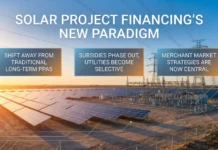





























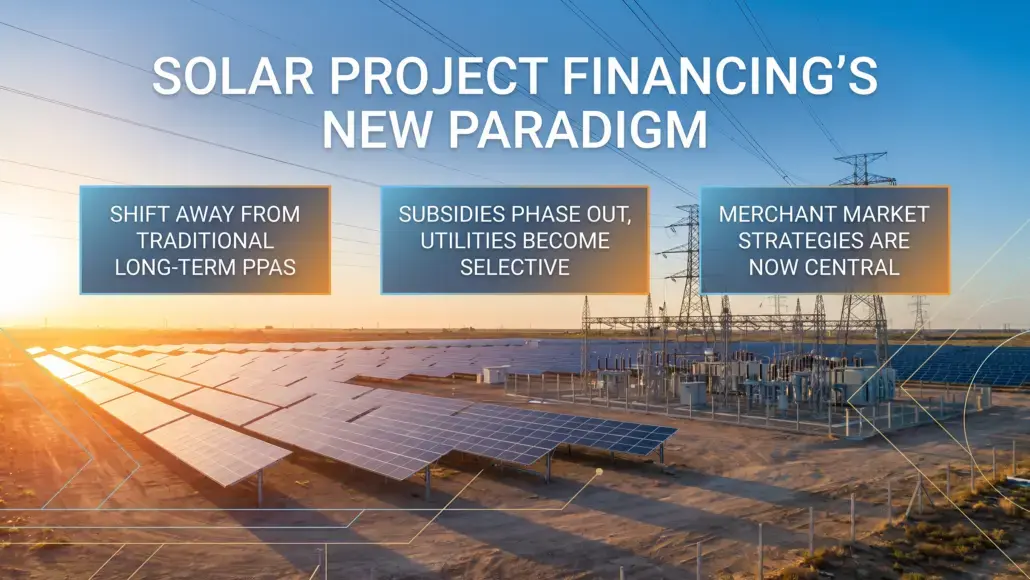

The market environment for utility-scale solar investment is undergoing a fundamental transformation as traditional revenue models are challenged by market maturity. For years, the industry relied on long-term power purchase agreements (PPAs) with utility off-takers to provide the predictable cash flows necessary for low-cost debt. However, as government subsidies phase out and utilities become more selective, a new paradigm is emerging. Merchant market strategies are now at the center of this shift, directly reshaping solar project financing by introducing greater exposure to wholesale price volatility. This transition requires a more sophisticated approach to risk management and a deeper understanding of market dynamics to secure the necessary capital for large-scale developments.
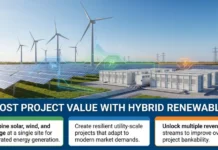
Developers are increasingly opting for “merchant-heavy” or “merchant-only” models where a significant portion of the energy produced is sold directly into the spot market. While this increases the potential for higher returns during periods of high prices, it also introduces a level of uncertainty that traditional lenders find challenging. The ability to manage this uncertainty through clever structuring and operational excellence is what defines the next generation of solar leaders. As the market continues to evolve, the integration of revenue diversification improving hybrid renewable project bankability is becoming a standard practice for those seeking to mitigate merchant risks. The successful application of these strategies is essential for maintaining the flow of capital into the sector.
Shifting Risk Profiles in Post-PPA Solar Development
The transition away from fixed-price PPAs marks the end of the “bond-like” era for solar investments. In the past, the primary risks were technical and construction-related, as the revenue side was largely guaranteed. Today, market risk has become the dominant concern for investors and lenders. This shift has led to a re-evaluation of how solar project financing is structured, with a greater emphasis on downside protection and liquidity reserves. Lenders are now scrutinizing market forecasts and price capture assumptions with the same intensity previously reserved for solar resource assessments.
This new risk profile requires developers to demonstrate a high level of expertise in energy trading and market analysis. It is no longer enough to build an efficient plant; one must also be able to sell the energy at the right time and price. The use of financial hedges, such as proxy revenue swaps or collars, is becoming more common as a way to provide a minimum level of revenue certainty. These instruments allow developers to transfer some of the market risk to third parties, thereby improving the creditworthiness of the project. However, the cost of these hedges must be carefully balanced against the potential for higher merchant returns.
The geographic location of an asset also takes on new importance in a merchant-heavy environment. Projects located in regions with high price volatility or frequent transmission congestion face greater revenue uncertainty. Conversely, areas with growing demand and limited supply offer attractive opportunities for merchant developers. The ability to identify and exploit these regional market imbalances is a key skill for modern solar investors. By selecting sites with favorable market characteristics, developers can enhance the bankability of their projects even without a long-term PPA in place.
The Role of Corporate PPAs and Merchant Tail Exposures
While utility PPAs are becoming harder to secure, corporate PPAs have emerged as a vital alternative for solar project financing. Large corporations with ambitious sustainability goals are increasingly looking to purchase renewable energy directly from developers. These agreements often provide the long-term price certainty that lenders require while offering more flexible terms than traditional utility contracts. However, corporate PPAs rarely cover the entire life of the asset, leading to significant “merchant tail” exposures that must be managed.
Managing the merchant tail involves making assumptions about the state of the electricity market ten or fifteen years into the future. This is inherently difficult, as the energy system is undergoing rapid structural changes. Lenders often apply conservative “haircuts” to these future merchant revenues, which can limit the amount of debt a project can carry. To overcome this, developers are using more sophisticated modeling techniques to demonstrate the resilience of their projects under various market scenarios. The goal is to provide lenders with the confidence that the project can meet its debt obligations even if market prices are lower than expected.
The rise of corporate PPAs has also introduced new counterparty risks. Unlike regulated utilities, corporations can face financial difficulties or changes in their energy needs. This requires a thorough credit analysis of the off-taker and the inclusion of specific protection clauses in the PPA. The ability to secure a contract with a highly rated corporate partner is a significant advantage in the competition for low-cost capital. As the corporate PPA market matures, we are seeing the emergence of standardized contracts and credit-bundling arrangements that make it easier for smaller developers to access this source of financing.
Innovative Financing Structures for Merchant-Heavy Portfolios
The challenge of financing merchant-heavy projects has led to the development of several innovative financial structures. One such approach is the “back-levered” structure, where debt is raised at the holding company level rather than at the project level. This allows for greater flexibility in managing the cash flows of a portfolio of assets, as the strong performance of one project can offset the weaker performance of another. This portfolio approach is particularly effective for managing the localized risks associated with merchant market participation.
Another emerging trend is the use of mezzanine debt and preferred equity to fill the gap created by lower senior debt levels. These capital providers are willing to take on more risk in exchange for higher returns, providing the necessary funding for projects that might otherwise be undercapitalized. The inclusion of these layers of capital can complicate the financing structure, but it also allows for a more efficient allocation of risk and return. Developers who can effectively layer different types of capital will be best positioned to finance large-scale merchant projects in a competitive market.
The role of private equity and infrastructure funds is also expanding in the solar sector. These investors have a higher tolerance for market risk than traditional banks and are often willing to provide the equity capital necessary for merchant developments. Their participation is helping to drive the growth of the merchant market by providing a steady source of funding for new projects. As these investors gain more experience with merchant solar, they are developing more sophisticated ways to value and manage these assets. This, in turn, is helping to standardize the merchant model and make it more accessible to a wider range of investors.
Assessing the Impact of Price Cannibalization on Debt Capacity
Price cannibalization is a growing concern for the solar industry and a major factor in solar project financing. This phenomenon occurs when a high concentration of solar generation drives down electricity prices during the sunniest hours of the day. In some markets, this has led to “negative pricing,” where generators must pay to export their energy. For merchant projects, this directly reduces the revenue earned per megawatt-hour produced, which can significantly impact the project’s ability to service debt.
To address this, developers are incorporating price cannibalization forecasts into their financial models. This involves analyzing the expected growth of solar capacity in the region and its likely impact on hourly price patterns. Lenders are also becoming more aware of this risk and are requiring higher debt service coverage ratios for projects in markets with high solar penetration. The ability to demonstrate a plan for managing cannibalization risk, such as the inclusion of on-site storage, is becoming a prerequisite for securing attractive financing terms.
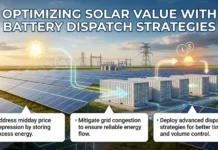
The integration of storage allows a project to shift its generation away from low-price hours and toward periods of higher demand and higher prices. This not only mitigates the impact of cannibalization but also provides additional revenue streams from grid services. While the inclusion of storage increases the initial capital cost, its impact on the project’s revenue profile can significantly improve its debt capacity. As the cost of storage technology continues to fall, it is becoming an increasingly common feature of merchant-heavy solar developments.
Future-Proofing Solar Investments in Volatile Energy Markets
Future-proofing solar investments requires a proactive and holistic approach to asset management. This involves not only technical excellence in construction and operation but also strategic excellence in market participation and financial structuring. The ability to adapt to changing market conditions is essential for the long-term success of any solar project. This includes staying informed about regulatory changes, technological advancements, and shifts in energy demand patterns.
One way to future-proof an investment is to build in flexibility from the start. This might include designing the site to allow for the future addition of storage or other complementary technologies. It also involves choosing equipment that can be easily upgraded or reconfigured to meet new grid requirements. By planning for change, developers can protect the long-term value of their assets and ensure that they remain competitive in a rapidly evolving market. This forward-thinking approach is a key characteristic of successful solar project financing in the current era.
The continued growth of the solar industry will depend on its ability to attract large-scale investment in a merchant environment. This requires a transparent and sophisticated approach to risk management that gives investors and lenders the confidence they need to commit capital. By embracing merchant market strategies and developing the necessary expertise to manage them, the solar sector can continue to lead the global transition to clean energy. The successful financing of these projects is not just a technical challenge but a fundamental requirement for a sustainable and profitable energy future. Ongoing innovation in both technology and finance will be the driving force behind this transition. Success will go to those who can master the complexities of the modern energy market and deliver consistent value to all stakeholders. Final results will depend on the collective effort of developers, investors, and regulators to create a stable and supportive environment for renewable energy growth. Through this collaborative approach, the full potential of solar power can be realized, delivering clean and reliable energy for generations to come.