




























The global energy paradigm is undergoing a historic shift away from the centralized model that has dominated the last century. For decades, electricity was generated in massive, remote power plants and sent over long distances to passive consumers. Today, however, the rise of rooftop solar is turning this model on its head. By transforming millions of residential and commercial roofs into active power stations, we are witnessing the birth of a decentralized power system. This movement is driven by a combination of falling technology costs, supportive public policies, and a growing desire for energy independence. The result is a more resilient, democratic, and sustainable grid that places power literally in the hands and over the heads of the people.
The fundamental advantage of this transition is the growth of distributed energy. When power is generated at the point of use, the inefficiencies of the traditional grid are bypassed. It is estimated that a significant percentage of electricity is lost during transmission and distribution through resistance in the wires. Rooftop solar eliminates these losses, making the entire energy system more efficient. Furthermore, by reducing the demand on the high-voltage transmission network, distributed solar can delay or even eliminate the need for expensive and environmentally disruptive infrastructure projects, such as new power lines or substations. In this way, rooftop solar acts as a “non-wire alternative” that saves money for all utility customers, not just those with panels.
The Economic Engine of Net Metering and Policy Incentives
The explosion in rooftop solar adoption is largely a result of progressive policy frameworks, with net metering serving as the primary catalyst. Net metering allows solar owners to send their excess electricity back to the grid and receive a credit on their utility bill. This simple mechanism transforms a rooftop installation from a sunk cost into a productive asset. By effectively allowing the utility grid to act as a “virtual battery,” net metering provides the financial certainty necessary for homeowners and small businesses to invest in clean energy. While the specifics of these policies are being debated as solar penetration increases, their role in kickstarting the decentralized energy revolution cannot be overstated.
However, the conversation is moving toward more sophisticated “Net Billing” or “Time-of-Use” structures. As we move into the next phase of decentralized energy growth, it is important that the value of solar is recognized based on when it is produced. Solar energy generated during the peak heat of a summer afternoon is incredibly valuable to the grid, as it helps avoid the need to turn on expensive and polluting “peaker” plants. By aligning financial incentives with the actual needs of the power system, modern policies are encouraging solar owners to pair their panels with storage, further enhancing the reliability and flexibility of the local network.
Commercial Solar: A Cornerstone of Corporate Sustainability
The business community has emerged as one of the strongest advocates for rooftop solar. For a modern corporation, energy is often one of the largest and most volatile operational expenses. Installing solar on a massive warehouse or retail center provides a hedge against rising utility rates, locking in a low, predictable cost of power for 25 years or more. This is not just an environmental choice; it is a savvy financial decision that improves the bottom line. Furthermore, as investors and consumers increasingly demand transparency regarding carbon footprints, commercial solar has become a visible and powerful symbol of a company’s commitment to sustainability.
Large-scale commercial installations also offer unique technical benefits to the decentralized power system. Unlike residential areas, which often see peak demand in the evening, commercial and industrial zones have high demand during the day, perfectly aligning with the solar production curve. This “behind-the-meter” generation reduces the peak load on the local substation, preventing overheating and extending the life of the utility’s equipment. As companies integrate smart energy management systems, they can further optimize their consumption, automatically shifting loads like HVAC or refrigeration to coincide with peak solar output, creating a truly intelligent and responsive energy environment.
Community Solar: Expanding the Reach of Clean Energy
One of the most important developments in the decentralization movement is the rise of community solar. For many years, the benefits of solar were limited to those who owned their own homes and had suitable roofs. This excluded millions of renters, apartment dwellers, and people with shaded properties. Community solar breaks down these barriers by allowing multiple participants to subscribe to a single, medium-sized solar project located elsewhere in their community. The electricity generated is credited to each subscriber’s bill, providing the same financial and environmental benefits as an on-site system.
Community solar is a vital tool for achieving energy equity. By creating “carve-outs” for low-to-moderate-income households, these programs ensure that the clean energy transition does not leave anyone behind. This inclusive approach is essential for building the broad public support necessary for large-scale energy transformation. Moreover, community solar projects often revitalize underutilized land, such as former landfills or industrial brownfields, turning “dead” spaces into productive assets that contribute to the local tax base and create green jobs. This diversity of ownership models is a hallmark of a healthy and growing decentralized energy ecosystem.
Resilience and Security in an Uncertain Climate
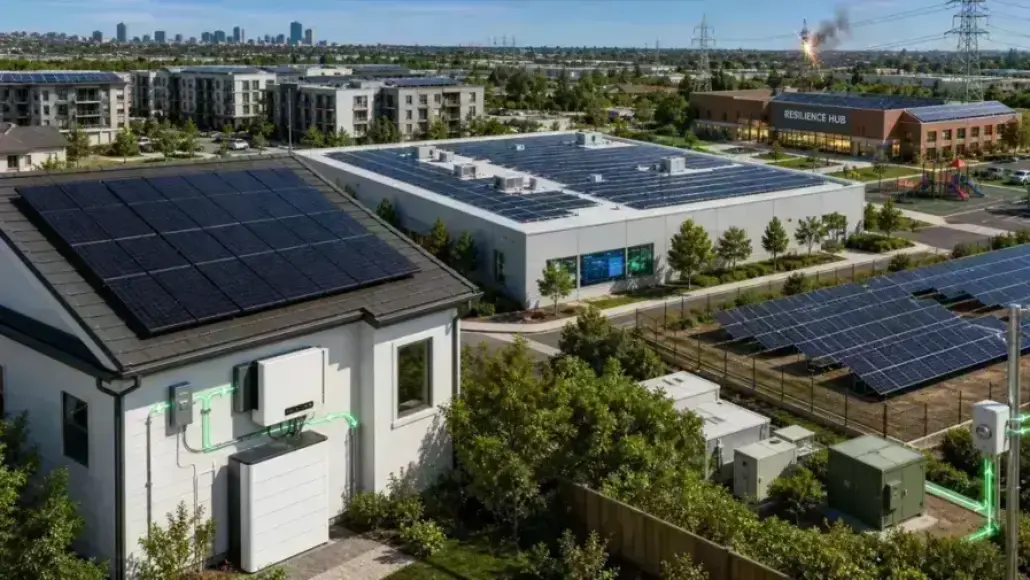
As the frequency of extreme weather events increases, the vulnerability of the centralized grid has become painfully apparent. A single downed transmission line can plunge an entire city into darkness. Rooftop solar, particularly when paired with battery storage and microgrid technology, offers a powerful solution to this problem. A decentralized power system is inherently more resilient; if one “node” goes down, the rest of the network can continue to function. In the event of a major grid failure, solar-equipped homes and businesses can “island” themselves, maintaining essential services like refrigeration, lighting, and communication.
This resilience is not just a personal benefit; it is a matter of public safety. In many regions, we are seeing the emergence of “resilience hubs” community centers or schools equipped with large rooftop solar and storage systems that serve as a refuge during disasters. These hubs provide a place for residents to charge phones, store medicine, and access information when the main grid is down. By building this capacity from the ground up, we are creating a more robust and secure society that is better prepared to handle the challenges of a changing climate.
In conclusion, rooftop solar is the primary engine driving the transition toward a decentralized energy future. By empowering individuals, businesses, and communities to take control of their power, we are building a more efficient, equitable, and resilient world. The journey from centralized control to distributed empowerment is not without its challenges, but the benefits both economic and environmental are too significant to ignore. As we continue to refine our policies and advance our technology, the rooftop solar revolution will continue to grow, proving that the most powerful energy solution is the one that is closest to home.