






















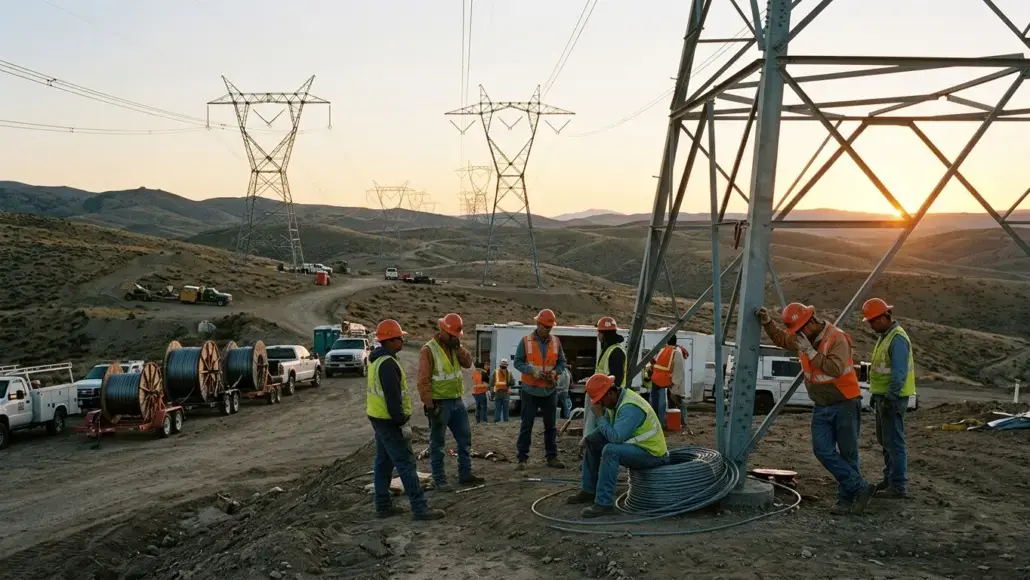

The electrical transmission industry is built on the resilience and skill of its people, but even the most dedicated professional has biological limits. In an environment where the work is physically grueling, technically complex, and often performed in extreme weather conditions, the risk of exhaustion is a constant shadow. Workforce fatigue management transmission projects is not merely a “wellness” initiative; it is a critical safety pillar. A fatigued worker is subject to cognitive impairments such as slowed reaction times, reduced situational awareness, and poor decision-making that are remarkably similar to the effects of alcohol impairment. In high-voltage environments, these lapses in judgment can be fatal, making the management of fatigue as essential as the management of energized lines.
Historically, the utility sector has celebrated the “iron man” culture, where working 16-hour shifts for weeks on end during storm restoration was seen as a badge of honor. However, modern research into occupational health has debunked the efficacy of this approach. We now know that the risks associated with fatigue increase exponentially as sleep debt accumulates. To address this, progressive utilities are implementing comprehensive fatigue management programs that move away from reliance on individual willpower and toward systemic, data-driven protections. By prioritizing the biological needs of the workforce, organizations can ensure that their teams remain alert, precise, and safe throughout the most demanding project cycles.
The Biological Reality of Fatigue in High-Voltage Environments
To understand the necessity of workforce fatigue management transmission projects, one must first understand the science of sleep and circadian rhythms. The human body is naturally programmed to be alert during the day and to rest at night. When workers are required to work night shifts or extended hours, they are fighting against millions of years of evolution. This conflict leads to “circadian desynchrony,” which manifests as profound fatigue even if the worker has had some sleep during the day. For transmission workers, who may be climbing towers or operating heavy machinery at 3:00 AM, the risk of a “microsleep” a brief, involuntary lapse into sleep is a terrifying reality.
Furthermore, fatigue is cumulative. A single night of poor sleep can be managed, but several days of restricted rest lead to a “sleep debt” that can take days to pay back. During large-scale transmission projects, where crews may be deployed for several weeks, the accumulation of this debt can reach dangerous levels. Fatigue impacts the brain’s prefrontal cortex, the area responsible for “executive functions” like risk assessment and impulse control. A fatigued worker is more likely to take a shortcut, ignore a safety protocol, or misread a technical diagram. This is why worker alertness strategies are so vital: they protect the worker from the invisible hazard of their own exhaustion.
Recognizing the Cognitive and Physical Signs of Exhaustion
Effective workforce fatigue management transmission projects requires that every member of the team, from the foreman to the ground worker, can recognize the early warning signs of fatigue. These are often subtle at first excessive yawning, heavy eyelids, or a loss of concentration. However, as exhaustion deepens, the signs become more severe: irritability, difficulty communicating clearly, and a noticeable degradation in manual dexterity. In the context of transmission workforce safety, these symptoms are red flags that must be addressed immediately.
Organizations are now training their staff in “Peer Observation” techniques, where workers are encouraged to watch out for each other’s alertness levels. If a colleague seems “spaced out” or is making uncharacteristic errors, there is a protocol in place to allow them to take a rest break without penalty. This shift in culture from “pushing through” to “speaking up” is a fundamental component of operational risk reduction. By normalizing the discussion of fatigue, utilities can remove the stigma associated with needing rest, ensuring that workers are supported in their commitment to safety.
Implementing Predictive Scheduling and Rest Ratios
The most effective way to manage fatigue is to prevent it through intelligent scheduling. Modern fatigue management programs utilize software that analyzes shift patterns and predicts the likely fatigue levels of a crew based on their previous work-and-rest cycles. These tools can identify high-risk periods, such as the transition from day to night shifts, and recommend “rest-to-work” ratios that ensure workers have sufficient time for restorative sleep. For example, a common standard is the “16/8” rule, which mandates that for every 16 hours worked, there must be at least 8 hours of uninterrupted rest.
However, during emergency restoration, these rules are often tested. In these scenarios, workforce fatigue management transmission projects must include provisions for high-quality rest facilities. It is not enough to just give a worker 8 hours off; they must have a quiet, dark, and temperature-controlled environment where they can actually sleep. Providing “sleeper trailers” or hotel rooms close to the jobsite reduces travel time and maximizes the opportunity for rest. This logistical investment is a key driver of utility workforce health and ensures that when the crew returns to the field, they are truly fit for duty.
Technological Aids in Fatigue Monitoring
Technology is providing new ways to monitor and mitigate the risks of fatigue in real-time. Wearable devices, such as smartwatches or specialized “alertness hats,” can track a worker’s sleep quality and heart rate variability to provide an objective measure of their fatigue levels. Some systems use infrared cameras in vehicle cabs to detect the frequency of blinking and head-nodding, providing an audible alert if the driver shows signs of falling asleep. These worker alertness strategies provide a safety net for those moments when a worker may not even realize how tired they are.
While these tools are powerful, they must be used within a “Just Culture” framework. The goal of fatigue monitoring should never be punitive; it should be used as a diagnostic tool to improve the system. If data shows that a specific crew is consistently fatigued, the organization should look at the underlying causes is the workload too high? Are the travel distances too long? By using technology to identify systemic issues, utilities can make the structural changes necessary to support long-term operational risk reduction. This data-driven approach ensures that fatigue management is an evolving discipline, constantly adapting to the realities of the field.
The Role of Nutrition and Hydration in Alertness
Workforce fatigue management transmission projects also extends to the “fuel” we provide our workers. Poor nutrition and dehydration can significantly exacerbate the effects of fatigue. High-sugar snacks and excessive caffeine can lead to “crashes” that leave a worker feeling more tired than before. Comprehensive fatigue management programs often include nutritional education and the provision of healthy, high-energy meals in the field. Hydration is equally critical, especially in hot weather, as even mild dehydration can impair cognitive function and increase the perception of effort.
By providing coolers stocked with water and electrolyte-replacement drinks, and by encouraging regular “snack breaks,” utilities can help their workers maintain a stable level of energy throughout the day. These small, practical measures are an essential part of utility workforce health. When a worker is well-hydrated and properly nourished, their body is better equipped to handle the physical stressors of transmission work, and their mind is more resilient to the onset of fatigue. This holistic view of the worker ensures that they have every advantage in the fight against exhaustion.
Conclusion: Building a Culture of Vigilance
The future of workforce fatigue management transmission projects lies in the integration of science, technology, and a supportive organizational culture. We must move past the era of the “tired hero” and embrace the era of the “alert professional.” This requires a commitment from leadership to prioritize rest as much as they prioritize production. It requires an investment in the tools and systems that allow us to measure and manage fatigue with precision. And most importantly, it requires a workforce that is empowered to take responsibility for their own alertness and the safety of their teammates.
By implementing robust fatigue management programs, the transmission industry is making a profound statement about the value it places on human life. We recognize that while we cannot change the laws of biology, we can certainly change the way we work. Through better scheduling, better monitoring, and a better understanding of the human element, we can ensure that our transmission projects are completed not just on time and on budget, but with the highest standards of safety and professional excellence. The energy of the future depends on a workforce that is energized, alert, and ready for the challenges ahead.