






























The electrical grid is the silent engine of modern civilization, but its vast and exposed nature makes it inherently vulnerable to a wide array of disruptions. From catastrophic weather events and wildfires to cyber-attacks and equipment failures, the potential for large-scale emergencies is a constant reality for utility operators. In this context, emergency preparedness grid operations is not just a contingency plan; it is a fundamental operational requirement. A robust preparedness strategy ensures that when a crisis occurs, the response is swift, coordinated, and, most importantly, safe for both the responders and the public. By investing in comprehensive resilience planning, utilities can significantly reduce the impact of outages and accelerate the restoration of critical services.
Effective preparedness is a multi-dimensional discipline that begins long before an emergency strikes. It involves a continuous cycle of risk assessment, planning, training, and exercises. The goal is to create a state of “readiness” where every member of the organization knows their role and the protocols to be followed under duress. For grid operations, this means having a deep understanding of the system’s vulnerabilities and the specific energy safety planning measures required to manage them. Whether it is a localized transformer fire or a multi-state blackout, the principles of emergency preparedness remain the same: maintain situational awareness, establish clear lines of communication, and prioritize life safety above all else.
The Architecture of a Robust Emergency Response Plan
At the core of emergency preparedness grid operations is the Emergency Response Plan (ERP). This document serves as the “playbook” for the organization, outlining the specific actions to be taken during various types of crises. A high-quality ERP must be both comprehensive and flexible, providing clear guidance while allowing for the necessary adjustments as a situation evolves. It includes protocols for damage assessment, resource mobilization, public communication, and inter-agency coordination. By standardizing these procedures, utilities can eliminate the confusion and “decision paralysis” that often plague uncoordinated responses.
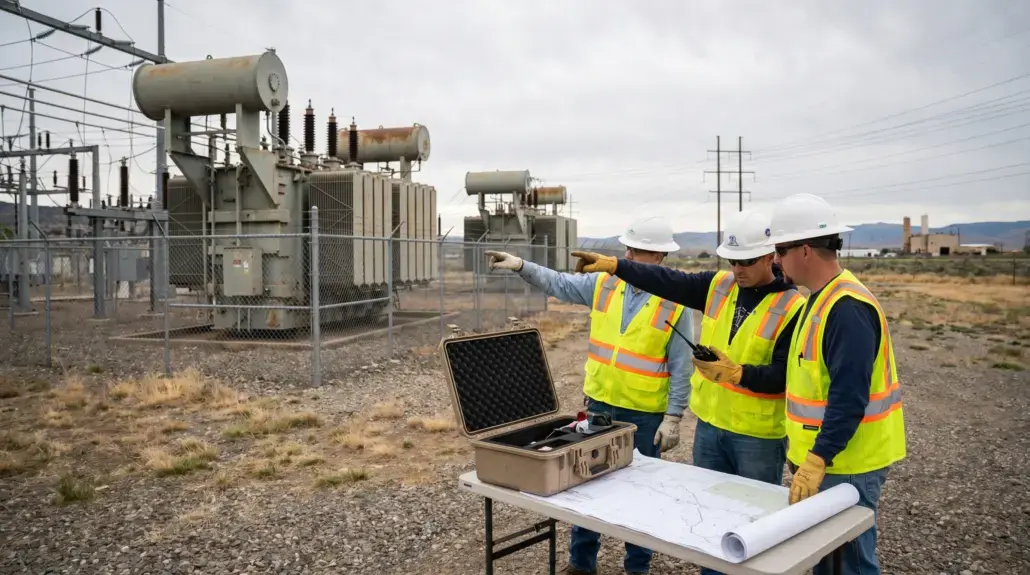
A critical component of any ERP in the power sector is the integration of safety preparedness strategies. During an emergency, the pressure to restore power can be immense, leading to a “hero mentality” where workers may feel tempted to take risks to speed up the process. A robust preparedness strategy counteracts this by embedding safety directly into the response protocols. This includes mandatory rest periods, standardized “safety standby” procedures during high-wind events, and clear criteria for when it is too dangerous to put crews in the field. By setting these boundaries in advance, the organization protects its most valuable asset its people while ensuring a more stable and sustainable restoration effort.
Inter-Agency Coordination and Mutual Assistance
No utility is an island, especially during a large-scale disaster. One of the hallmarks of effective emergency preparedness grid operations is the strength of a utility’s external partnerships. This includes close coordination with local emergency management agencies, fire and police departments, and neighboring utility providers. Mutual Assistance Agreements (MAAs) are a vital part of this ecosystem, allowing utilities to “borrow” crews and equipment from other regions during a crisis. These agreements ensure a rapid surge capacity that would be impossible for any single organization to maintain on its own.
However, the effectiveness of mutual assistance depends on prior planning and standardization. Preparedness strategies must include protocols for onboarding external crews, ensuring they are briefed on the local system’s specifics and safety rules. This “interoperability” is essential for grid resilience planning. When crews from different companies can work together seamlessly, using common terminology and safety standards, the efficiency of the restoration effort is significantly enhanced. Regular joint exercises and drills with these external partners are the only way to identify and fix the inevitable “friction points” in communication and logistics before a real emergency occurs.
Simulation Training and the Psychology of Crisis Management
The true test of any emergency preparedness grid operations strategy is how it performs under pressure. This is why simulation training and “tabletop” exercises are so important. These exercises allow personnel to practice their roles in a high-stress, but safe, environment. By simulating complex scenarios such as a major storm hitting during a period of high load utilities can identify gaps in their plans, weaknesses in their communication systems, and areas where personnel may need additional training. These simulations build the “muscle memory” that is essential for effective decision-making during a real crisis.
Beyond technical skills, preparedness also involves the psychology of crisis management. Leaders must be trained to maintain calm, process information rapidly, and communicate clearly under duress. This cognitive resilience is just as important as the physical resilience of the grid itself. Energy safety planning should include training on the “Human Factors” of emergencies, such as the impact of stress on memory and judgment. By understanding these biological limits, organizations can design their emergency protocols to be “error-tolerant,” utilizing checklists and “double-verification” procedures to prevent simple mistakes from escalating into major incidents during the heat of a response.
Technological Enhancements in Crisis Response
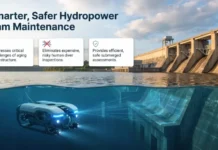
The digital revolution is providing powerful new tools that are transforming emergency preparedness grid operations. Advanced Metering Infrastructure (AMI) and Outage Management Systems (OMS) provide real-time data on the extent and location of outages, allowing for much faster and more accurate damage assessment than was possible in the past. Furthermore, the use of drones for aerial inspections is a game-changer for emergency response power sector efforts. Drones can be deployed immediately after a storm to survey damaged lines in hard-to-reach areas, keeping workers away from potentially downed or energized lines until a safe assessment can be made.
We are also seeing the rise of “Predictive Analytics” in emergency planning. By using historical weather data and grid performance models, utilities can now “predict” the impact of an incoming storm before it arrives. This allows them to pre-position crews, stage equipment, and notify customers well in advance. This proactive stance is a key component of transmission risk response. It transforms the utility from a reactive organization to a proactive one, significantly reducing the “Time to Restore” and improving the overall safety of the operation. The integration of these technologies into the preparedness framework ensures that the grid is not only more robust but also more intelligent in its response to adversity.
Conclusion: The Continuous Journey of Preparedness
Emergency preparedness is not a destination; it is a continuous journey of improvement. Every emergency, regardless of its size, provides valuable data that must be captured and used to refine the organization’s plans and strategies. A “Post-Incident Review” (PIR) is a critical part of the preparedness cycle, where the response is analyzed to identify what went right and what could be improved. This commitment to learning is what separates high-performing utilities from the rest. By treating preparedness as a core business function, organizations ensure that they are always evolving to meet the next challenge.
In conclusion, the goal of emergency preparedness grid operations is to create a grid that is not just “hardened” against failure, but “resilient” in its ability to recover. It requires a holistic approach that combines technical engineering, strategic planning, and a deep commitment to human safety. As the threats to our infrastructure continue to evolve from the increasing severity of climate-related events to the growing complexity of our digital systems our preparedness strategies must evolve with them. Through diligent planning, rigorous training, and the embrace of new technologies, we can ensure that our energy systems remain safe, reliable, and ready for whatever the future may hold.