























Events Date: 9

UK to Expand Clean Energy Workforce for Energy Sector Growth

Note* - All images used are for editorial and illustrative purposes only and may not originate from the original news provider or associated company.

Subscribe

- Never miss a story with notifications

- Gain full access to our premium content

- Browse free from any location or device.

Media Packs

Expand Your Reach With Our Customized Solutions Empowering Your Campaigns To Maximize Your Reach & Drive Real Results!

– Access the Media Pack Now

– Book a Conference Call

Leave Message for Us to Get Back

Related stories

Digital Control Systems Advancing Power Electronics

The integration of digital control architectures into power electronics enables sophisticated monitoring and adaptive optimization, drastically improving the performance of renewable energy systems and electric vehicles.

Advanced Power Modules Improving Energy System Efficiency

Modern energy systems rely on high-performance power modules to manage electricity distribution effectively, offering enhanced power density and superior thermal management for industrial, renewable, and automotive applications.

Smart Grid Integration Improving Energy Efficiency

Smart grid technologies revolutionize energy distribution by incorporating advanced power electronics that facilitate the seamless integration of renewable sources and large-scale energy storage solutions.
- Advertisement -

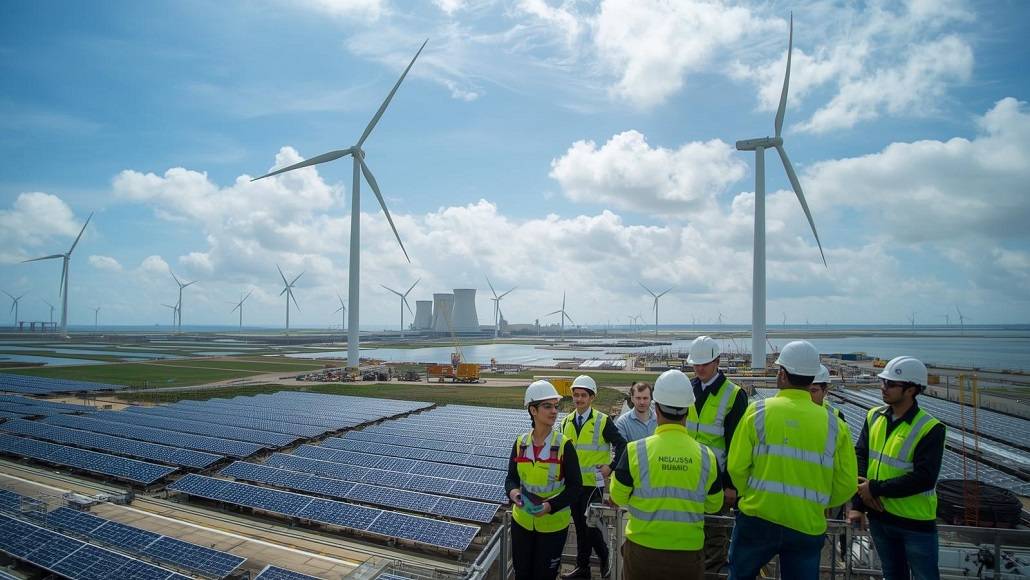
The UK government has unveiled plans to expand its clean energy sector, a move that includes creating 400,000 additional roles by 2030, bringing the total workforce in this field to 860,000. The initiative, announced on 19 October, is part of a wider national plan aimed at building up the UK’s renewable and low-carbon energy infrastructure. Since July 2024, private investment in the sector has already passed £50 billion ($61.04bn), funding projects from coastal areas to industrial centers and key energy corridors.

The plan to expand the clean energy workforce also sets out steps to make sure the workforce has the skills needed for these projects. Five new Technical Excellence Colleges will open, alongside pilot programmes in regions such as Pembrokeshire and Cheshire. A national programme is also in place for reskilling oil and gas workers, backed by £20 million ($24.41mn) in joint UK and Scottish government funding.

While the initiative naturally drives significant employment opportunities, offering salaries above the national average and supporting school leavers, military veterans, and career changers, the government presents these roles primarily as part of scaling the UK’s clean energy capacity.

Several key projects highlight the growth of the sector. The Sizewell C nuclear station will add to the country’s low-carbon power output, while the Acorn and Viking carbon capture and storage facilities boost the nation’s ability to cut emissions. Developments in the North West and Yorkshire will also strengthen the energy supply chain, and initiatives like the “energy skills passport” help people move into high-demand areas such as nuclear and grid infrastructure.

Investment is playing a central role in this clean energy workforce expansion. Iberdrola, through ScottishPower, has raised its UK investment to £24 billion ($29.3bn) between 2024 and 2028. EDF, Centrica, Rolls Royce, and Octopus Energy are pushing forward with projects in nuclear, solar, hydrogen, and wind.

Cross-border interconnectors with Ireland, Germany, and Scotland, including the £4.3 billion ($5.25bn) Eastern Green Link 2, are improving energy connectivity. Offshore wind manufacturing is also on the rise. SeAH Wind is committing £225 million ($274.7mn) in Teesside, backed by UK Export Finance. Altogether, these projects show the UK’s clean energy sector growing, with the planned workforce supporting that expansion.

Never miss a energy headline

The energy sector moves fast – stay on top of it with our must - read briefings.

  • The top power and energy stories, straight to your inbox
  • The biggest news, features, interviews, and analysis
  • Dedicated coverage of the key developments shaping the global power and energy landscape

Latest stories

Related stories

Digital Control Systems Advancing Power Electronics

The integration of digital control architectures into power electronics enables sophisticated monitoring and adaptive optimization, drastically improving the performance of renewable energy systems and electric vehicles.

Advanced Power Modules Improving Energy System Efficiency

Modern energy systems rely on high-performance power modules to manage electricity distribution effectively, offering enhanced power density and superior thermal management for industrial, renewable, and automotive applications.

Smart Grid Integration Improving Energy Efficiency

Smart grid technologies revolutionize energy distribution by incorporating advanced power electronics that facilitate the seamless integration of renewable sources and large-scale energy storage solutions.

Energy Storage Systems Advancing Power Electronics

Sophisticated energy storage systems paired with advanced power electronics provide the stability and conversion efficiency necessary for maintaining reliable renewable energy grids and maximizing battery utility.

Subscribe

- Never miss a story with notifications

- Gain full access to our premium content

- Browse free from any location or device.

Media Packs

Expand Your Reach With Our Customized Solutions Empowering Your Campaigns To Maximize Your Reach & Drive Real Results!

– Access the Media Pack Now

– Book a Conference Call

Leave Message for Us to Get Back

Translate »