
















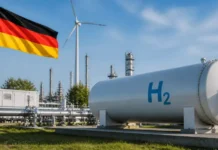


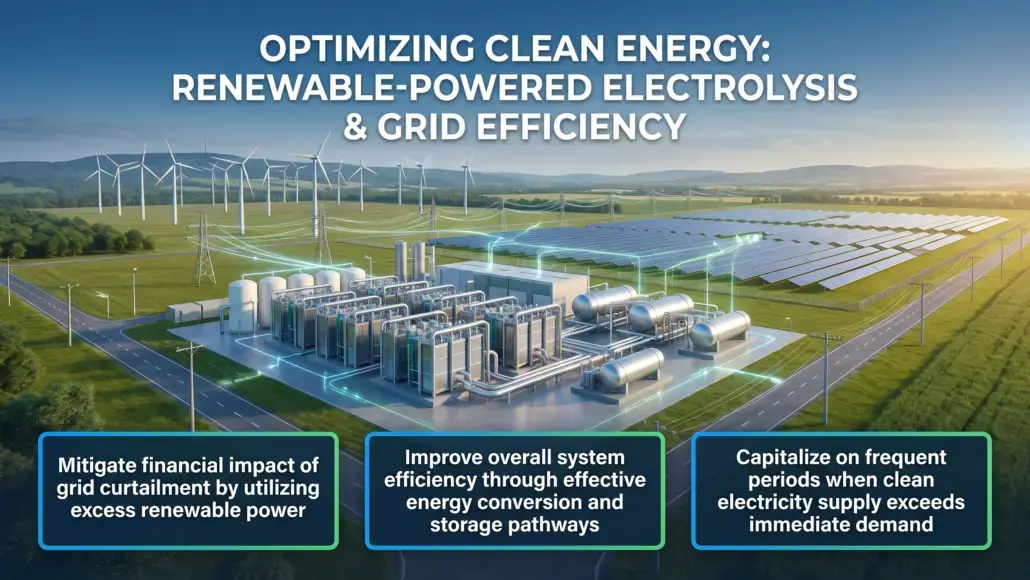

Renewable energy developers are now commissioning large scale Renewable-Powered Electrolysis Optimizing Clean Electricity Utilization to mitigate the financial impact of grid curtailment and improve system efficiency. As wind and solar capacity continues to expand at record rates, there are frequent periods when the supply of clean electricity exceeds the immediate demand of the grid or the capacity of the transmission network. Without a viable storage or conversion pathway, this excess energy is simply wasted, resulting in lost revenue for developers and a slower pace of decarbonization. Renewable-powered electrolysis provides a high-value outlet for this surplus power by converting it into green hydrogen, which can then be used for long-duration storage, industrial feedstock, or carbon-free thermal generation. This process effectively increases the utilization rate of renewable assets, improving their economic viability and allowing for the deeper penetration of variable energy sources into the national power mix. The integration of electrolysis directly with renewable generation sites is becoming a standard practice for optimizing the value of every electron produced by the sun and the wind.
Curtailment Mitigation and Grid Congestion Management
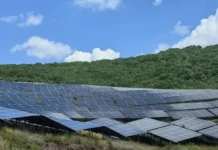
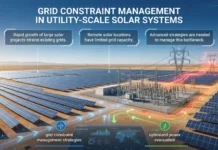
A primary benefit of renewable-powered electrolysis optimizing clean electricity utilization is its ability to mitigate the impacts of renewable curtailment and grid congestion. In many regions, transmission networks are struggling to keep pace with the rapid deployment of decentralized energy resources, leading to localized bottlenecks that prevent clean power from reaching load centers. By installing electrolyzers at the site of wind and solar farms, developers can absorb excess energy locally, effectively acting as a dynamic load that can be adjusted based on real-time grid conditions. This local utilization of power reduces the strain on the transmission lines and allows for the continued expansion of renewable capacity in regions where the grid is already saturated. Additionally, the hydrogen produced during these periods of oversupply can be stored and transported via pipeline, providing an alternative energy pathway that bypasses the limitations of the electricity network. This multi-vector approach to energy distribution is essential for maximizing the efficiency of the clean energy transition and ensuring that no renewable energy is left behind due to technical or logistical constraints.
Direct Coupling of Renewable Assets and Electrolyzers
The technical implementation of renewable-powered electrolysis optimizing clean electricity utilization is increasingly moving toward the direct coupling of renewable assets and electrolysis stacks. Traditional systems often involve multiple stages of power conversion, including AC to DC and voltage stepping, which can result in significant energy losses and higher capital costs. Direct coupling involves connecting the DC output of solar panels or the rectified output of wind turbines directly to the electrolyzer stack, eliminating several layers of power electronics. This simplified architecture not only improves the overall system efficiency but also reduces the footprint and complexity of the installation. However, direct coupling requires sophisticated control systems to manage the variability of the renewable source and ensure that the electrolyzer operates within its safe and efficient range. Engineers are developing advanced power conditioners and stack management algorithms that can handle the rapid fluctuations in voltage and current associated with direct renewable feed. By optimizing the electrical interface between the generator and the electrolyzer, the power sector can achieve a more cost-effective and resilient hydrogen production system.
Techno-Economic Optimization of Hybrid Plants
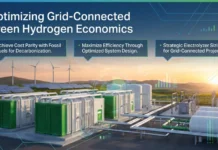
The development of hybrid power plants that integrate solar, wind, and renewable-powered electrolysis optimizing clean electricity utilization requires a complex techno-economic optimization process. Developers must determine the optimal sizing of the renewable generation, the electrolysis capacity, and the storage infrastructure to maximize the return on investment. This involve simulating thousands of operational scenarios based on local weather data, electricity market prices, and the projected demand for hydrogen. In many cases, adding a battery energy storage system (BESS) to the mix can further improve the utilization of the electrolyzer by providing a stable power supply during short-duration renewable fluctuations. The use of advanced software platforms allows for the real-time optimization of these hybrid assets, ensuring that the plant responds dynamically to market signals and grid needs. By balancing the variable costs of electricity with the fixed costs of the electrolysis equipment, developers can achieve a competitive levelized cost of hydrogen while providing essential balancing services to the power grid. This integrated approach is essential for the bankability of large scale green hydrogen projects and the long term stability of the energy sector.
Role of Hydrogen in Decarbonizing Hard-to-Abate Sectors
While the primary focus of Renewable-Powered Electrolysis Optimizing Clean Electricity Utilization is the stabilization of the power grid, the hydrogen produced also plays a critical role in decarbonizing hard-to-abate industrial sectors. Industries such as steel manufacturing, chemical production, and heavy transport require high-density energy and chemical feedstocks that cannot be easily provided by electricity alone. By utilizing excess renewable power to produce hydrogen, the power generation sector can facilitate the decarbonization of these adjacent industries, creating a more holistic and integrated energy transition. This cross-sectoral synergy enhances the overall efficiency of the energy system and provides multiple revenue streams for renewable energy developers. In this future, the electrolyzer acts as the primary clearinghouse for energy, directing clean electricity to the grid when it is needed and converting it into molecules when it is not. The development of regional hydrogen hubs, where production and consumption are co-located, is the most efficient way to realize these benefits and minimize the costs of transportation and storage. By treating hydrogen as a central energy vector, the power sector can drive the deep decarbonization of the entire global economy.
Life Cycle Assessment and Sustainability Credentials
The environmental value of renewable-powered electrolysis optimizing clean electricity utilization is grounded in its ability to produce truly carbon-free hydrogen with a minimal ecological footprint. Life cycle assessments (LCAs) are used to evaluate the total environmental impact of the electrolysis process, from the mining of raw materials for the stack to the decommissioning of the renewable assets. These assessments demonstrate that green hydrogen produced from wind and solar power has a significantly lower carbon intensity compared to hydrogen produced from natural gas with carbon capture. Additionally, the industry is focused on improving the circularity of the electrolysis supply chain by developing new methods for recycling noble metals and membranes. The use of sustainable water sources, such as treated wastewater or desalinated seawater, is also a priority for ensuring that hydrogen production does not compete with the needs of local communities or ecosystems. By adhering to the highest standards of sustainability and transparency, the power generation sector can ensure that green hydrogen remains a trusted and essential component of the global energy mix. The establishment of international certification schemes for green hydrogen will further bolster these credentials and facilitate the growth of a transparent and liquid global market.
Policy Drivers and Future Scaling Challenges
The future scaling of renewable-powered electrolysis optimizing clean electricity utilization is dependent on continued policy support and the resolution of several key technical challenges. Governments are introducing ambitious hydrogen targets and providing significant financial incentives to encourage the deployment of large scale electrolysis projects. However, the industry must also address the need for gigawatt-scale manufacturing capacity and the development of a global supply chain for critical materials. Additionally, the integration of massive amounts of electrolysis capacity into the power grid will require new market designs and grid codes that recognize the value of flexible loads. Research and development efforts are focused on improving the durability and efficiency of electrolysis stacks while reducing the need for expensive catalysts and membranes. By overcoming these challenges through innovation and collaboration, the power generation sector can ensure that renewable-powered electrolysis becomes a cornerstone of the global energy system. The transition to a hydrogen-based economy is a complex and long-term undertaking, but the benefits in terms of energy security, economic growth, and environmental protection are clear and compelling. The continuous optimization of electricity utilization through hydrogen conversion will be a defining feature of the energy environment for decades to come.
Integration of Grid-Forming Inverters and Advanced Power Electronics
The effective implementation of Renewable-Powered Electrolysis Optimizing Clean Electricity Utilization is increasingly reliant on the integration of grid-forming inverters and advanced power electronics. Unlike traditional grid-following inverters that require a stable voltage and frequency signal from the grid to operate, grid-forming inverters can actively participate in the creation and maintenance of the grid’s stability. When coupled with electrolysis systems, these devices allow the plant to provide synthetic inertia and rapid frequency response, effectively replacing the stability once provided by large rotating generators. This capability is critical for grids with extremely high penetrations of renewable energy, where the loss of mechanical inertia can lead to rapid and dangerous frequency deviations. By using power electronics to precisely control the energy flow between the renewable source, the electrolyzer, and the grid, operators can ensure that the system remains resilient even under volatile operating conditions. Additionally, the development of multi-port converter topologies allows for the seamless integration of different energy sources and loads, such as solar arrays, wind turbines, and batteries, into a single optimized power hub. This high degree of electronic control is what ultimately enables the full potential of renewable-powered electrolysis to be realized, transforming it from a simple energy conversion process into a sophisticated grid stabilization tool.
Strategic Siting and Regional Stability Optimization
The strategic siting of Renewable-Powered Electrolysis Optimizing Clean Electricity Utilization assets is a fundamental consideration for optimizing the performance of the regional power network. Placing electrolyzers at key nodes within the grid can help to alleviate localized congestion and provide targeted voltage support where it is most needed. For instance, in regions with heavy concentrations of wind power, locating electrolysis plants at the end of long transmission lines can prevent voltage instability and reduce the need for expensive network reinforcements. This geographic optimization requires close coordination between renewable energy developers, grid operators, and industrial hydrogen consumers to ensure that the assets are located in the most beneficial positions. The use of advanced spatial modeling and grid simulation tools allows for the identification of these strategic locations based on historical flow patterns and projected growth in renewable capacity. By treating the electrolyzer as a mobile and flexible load that can be strategically deployed across the energy environment, the power generation sector can achieve a more efficient and reliable network that is capable of supporting the large scale expansion of clean energy. This regional approach to stability optimization is essential for managing the transition to a decentralized and renewable-led energy system, ensuring that the benefits of clean electricity are maximized for all stakeholders.