




















Events Date: 9

Renewable Energy Surge In LATAM Fueled By Chinese Influence

Note* - All images used are for editorial and illustrative purposes only and may not originate from the original news provider or associated company.

Subscribe

- Never miss a story with notifications

- Gain full access to our premium content

- Browse free from any location or device.

Media Packs

Expand Your Reach With Our Customized Solutions Empowering Your Campaigns To Maximize Your Reach & Drive Real Results!

โ€“ Access the Media Pack Now

โ€“ Book a Conference Call

โ€“ Leave Message for Us to Get Back

Related stories

Hydrogen Infrastructure Driving Future Energy Growth

As the world shifts toward a low-carbon economy, hydrogen infrastructure for energy growth is emerging as a critical engine for industrial transformation. Through massive investments in clean fuel production, storage, and transport, hydrogen is poised to unlock new energy markets and provide a sustainable solution for the hardest-to-abate sectors.

Energy Storage Systems Supporting Utility Expansion

The rapid growth of global energy demand is driving a massive scale-up of utility infrastructure, where energy storage systems serve as the critical balancer. By providing essential services like grid stability and seamless renewable integration, these systems are enabling a flexible and reliable expansion of modern power networks.

Smart Energy Infrastructure Improving Grid Efficiency

The digital transformation of the power sector is being led by smart energy infrastructure efficiency, where data-driven insights and automation are redefining grid performance. By integrating digital monitoring and predictive operations, utilities are creating a more responsive, reliable, and efficient energy network for the modern age.
- Advertisement -

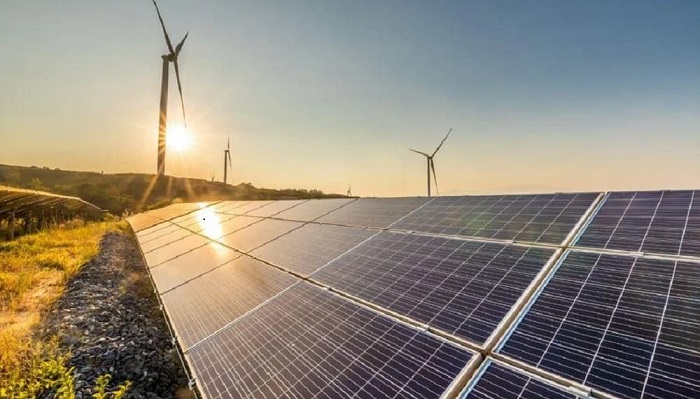
Renewable energy’s rapid surge in Latin America often centers on Chinese influence, a notable force driving the continent’s energy shift. Chinese entitiesโ€”government, banks, and firmsโ€”have been instrumental in propelling the energy transition, with roughly 90% of installed wind and solar technologies stemming from Chinese companies. In Chile, China’s State Grid controls over half of the regulated energy distribution, sparking concerns among Chilean authorities.

China’s involvement also extends to investment in Latin America’s critical minerals sector, rich in lithium, nickel, cobalt, and rare earth elements vital for electric vehicles, wind turbines, and defense tech. Chinese firms like Tianqi Lithium and Ganfeng Lithium have acquired shares in Chilean and Argentinian lithium projects, securing access to essential resources.

Brazil and China’s alliance deepened through agreements spanning trade, climate change, and energy transition. Amid these prominent narratives, less visible dynamics are at play. China’s influence over clean energy supply chains and energy systems has raised global apprehensions, heightening the complexity of its relationship with Latin America.

In parallel, Latin American countries nurture homegrown energy innovation cultures. These range from high-tech material advancements to “frugal innovation,” emphasizing sustainability within tight constraints. Chile exemplifies this, surpassing its 2025 renewable energy goal with geothermal, solar, and wind projects, some with Chinese backing. Notably, Chile’s lithium-rich Atacama Desert stands as a valuable asset, motivating the government’s strategy to retain control over lithium reserves while enhancing environmental safeguards and equitable wealth distribution.

Chile’s long-standing pursuit of a self-reliant renewable energy sector led to collaborations with international research institutions. Although anticipated knowledge transfers to local entities have faced hurdles, Chile’s vibrant startup landscape thrives. Notably, Reborn Electric Motors converts old diesel buses into cost-efficient electric variants, while Industrias Quantum Motors developed an affordable EV aimed at widespread Latin American adoption.

Green hydrogen, harnessing Chile’s solar and wind capacity, emerges as another forward-looking facet. Chile’s government is forming a substantial public-private partnership for hydrogen production, albeit with concerns over administrative expertise and environmental impact.

Amid China’s far-reaching impact on Latin America’s renewable landscape, indigenous innovation, and resource sovereignty persist as pivotal narratives, shaping a diverse and dynamic energy future for the region.

Power Info Today brings together the global energy industry โ€” from generation and transmission operators to utility executives and energy transition leaders โ€” through trusted editorial, market intelligence, and digital engagement.

Our 2026 Media Pack offers integrated solutions to reach your audience:

  • Magazine & Digital Editions Showcase your brand within premium energy industry coverage read by executives and decision - makers worldwide.
  • Industry Insights & Reports Align with data - driven analysis, trend reports, and regional roundups across the global power and energy value chain.
  • Brand Authority & Credibility Position your company as a thought leader through expert commentary, interviews, and special features.

Latest stories

Related stories

Hydrogen Infrastructure Driving Future Energy Growth

As the world shifts toward a low-carbon economy, hydrogen infrastructure for energy growth is emerging as a critical engine for industrial transformation. Through massive investments in clean fuel production, storage, and transport, hydrogen is poised to unlock new energy markets and provide a sustainable solution for the hardest-to-abate sectors.

Energy Storage Systems Supporting Utility Expansion

The rapid growth of global energy demand is driving a massive scale-up of utility infrastructure, where energy storage systems serve as the critical balancer. By providing essential services like grid stability and seamless renewable integration, these systems are enabling a flexible and reliable expansion of modern power networks.

Smart Energy Infrastructure Improving Grid Efficiency

The digital transformation of the power sector is being led by smart energy infrastructure efficiency, where data-driven insights and automation are redefining grid performance. By integrating digital monitoring and predictive operations, utilities are creating a more responsive, reliable, and efficient energy network for the modern age.

Grid Modernization Driving Energy Infrastructure

Modern energy systems are undergoing a radical transformation as grid modernization becomes the cornerstone of infrastructure resilience. By integrating advanced digital monitoring, transmission upgrades, and smart grid technologies, utility providers are building a foundation for a reliable and decarbonized future.

Subscribe

- Never miss a story with notifications

- Gain full access to our premium content

- Browse free from any location or device.

Media Packs

Expand Your Reach With Our Customized Solutions Empowering Your Campaigns To Maximize Your Reach & Drive Real Results!

โ€“ Access the Media Pack Now

โ€“ Book a Conference Call

โ€“ Leave Message for Us to Get Back

Translate ยป